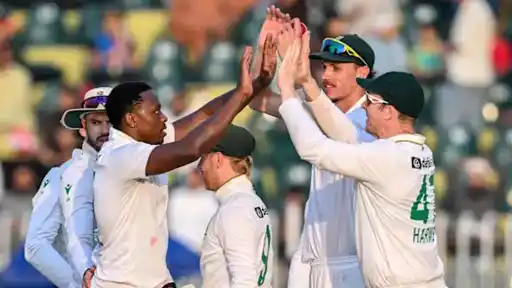
In TNPL, Ravichandran Ashwin Reviews the DRS decision
Ashwin had already demonstrated what India had failed to do in the World Test Championship final when he took the wicket of Trichy’s Daryl Ferrario in just his second delivery

Ravichandran Ashwin, the renowned Indian cricketer known for his exceptional spin bowling skills, recently made headlines in the cricketing world by openly criticizing the Decision Review System (DRS) decision during a Tamil Nadu Premier League (TNPL) match. Ashwin, who was playing for the Dindigul Dragons, expressed his dissatisfaction with the controversial DRS verdict that went against his team, sparking a significant debate among fans and experts alike.
The incident occurred during a crucial encounter between the Dindigul Dragons and the Coimbatore Comets. In the match, a close lbw (leg before wicket) appeal was made by Ashwin, with the umpire initially ruling not out. However, upon Ashwin’s insistence, the DRS was called into action to review the decision. Surprisingly, the DRS upheld the on-field umpire’s call, much to the dismay of Ashwin and his teammates.
After the match, Ashwin expressed his disappointment with the DRS decision during a press conference. He highlighted that the technology used in the TNPL was not up to international standards, leading to inaccuracies in the decision-making process. Ashwin stated that the ball-tracking system used in the league was unreliable and did not provide accurate results, thereby raising concerns about the effectiveness of the DRS system in the tournament.

Experienced spinner emphasized the need for the cricketing authorities to ensure the usage of high-quality technology, particularly in crucial matches, to avoid such contentious decisions. He suggested that better infrastructure and equipment should be in place to maintain the integrity of the game and provide fair outcomes.
Ashwin’s remarks ignited a spirited debate among cricket fans, experts, and officials regarding the implementation of DRS in domestic tournaments. While some supported Ashwin’s stance and echoed his concerns about the quality of technology, others believed that occasional errors were part and parcel of the game and should not undermine the overall usefulness of the DRS system.
The incident also brought to light the importance of continuous improvement and innovation in cricket technology. With the game evolving rapidly and new formats emerging, the reliance on accurate decision-making tools has become increasingly crucial. Ashwin’s criticism served as a reminder to cricketing authorities to invest in cutting-edge technology and ensure its effective implementation to enhance the credibility of domestic tournaments.
The TNPL organizers, in response to Ashwin’s remarks, promised to review and address the concerns raised by the player. They acknowledged the need for improved technology and expressed their commitment to providing the best possible infrastructure for future editions of the tournament.
Ravichandran Ashwin’s critique of the DRS decision during a TNPL match has sparked a significant discussion on the quality and reliability of cricket technology in domestic tournaments. His call for better infrastructure and improved technology highlights the importance of maintaining the integrity of the game. The incident serves as a reminder to cricketing authorities to continually invest in technological advancements to ensure fair outcomes and enhance the overall cricketing experience for players and fans alike.
About the Author
Watch Now
 Cricket News1 min
“She can blow my brains” – MS Dhoni’s hilarious reply about wife Sakshi goes viral
 Cricket News1 min
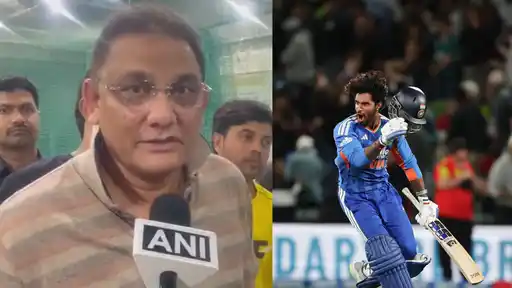
“Hope he represents India in Tests,” Azharuddin praises Tilak Varma after his match-winning 51 against NZ
 Cricket News1 min
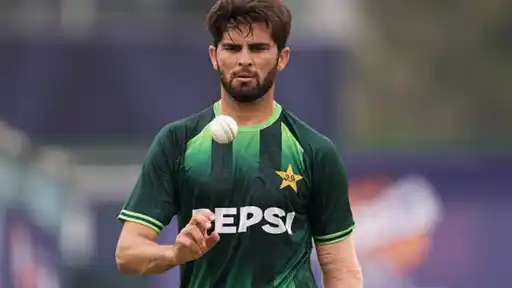
“Pakistan don’t need pace”- Shaheen Afridi on pace drop ahead of Pakistan vs England tri-series clash
Web Stories
India vs New Zealand T20 World Cup 2026 Final
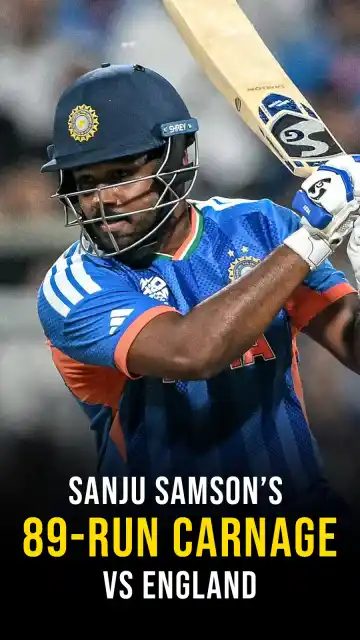
Sanju Samson’s 89 vs England Powers India in T20 World Cup 2026 Semifinal

Biggest Opening Partnerships in T20 World Cup Knockouts

India vs England T20 World Cup Semifinal History
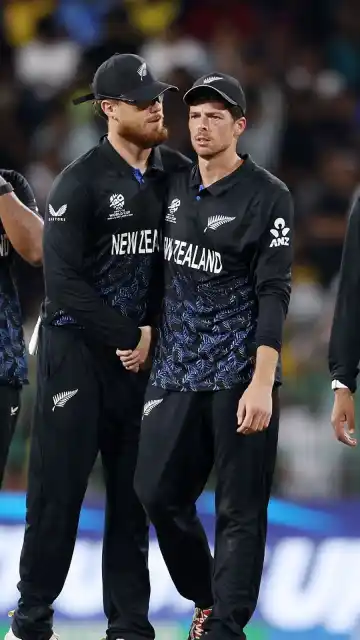
New Zealand Knock Out Sri Lanka – Super 8 Match Highlights & Key Moments