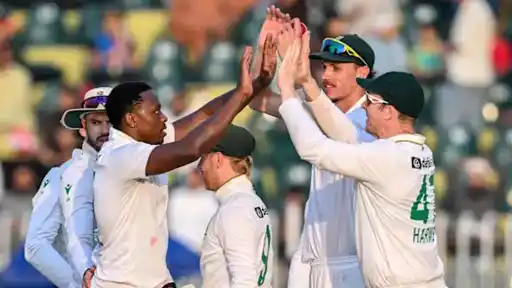
Najam Sethi raises new questions about Pakistan's World Cup participation in India
Pakistan would travel to India for the ODI World Cup in October and November after the Asia Cup schedule was approved. On October 15, the rivals are expected to meet at the largest cricket stadium in the world in Ahmedabad

The participation of the Pakistan cricket team in the upcoming World Cup, scheduled to be held in India, has once again come under scrutiny. Najam Sethi, a prominent cricket administrator and former chairman of the Pakistan Cricket Board (PCB), has raised new questions regarding Pakistan’s involvement in the tournament. His concerns revolve around the prevailing political tensions between the two neighbouring nations and the potential security risks involved.
The former PCB chairman’s concerns are not unfounded, as security has been a major consideration for international cricket teams when touring the Indian subcontinent. In the past, there have been instances where matches between India and Pakistan had to be relocated or cancelled due to security threats. Sethi argues that these risks should be thoroughly assessed before committing to the World Cup in India.
Najam Sethi, chairman of the Pakistan Cricket Board, said on Friday that their participation in the ODI World Cup in India is “subject to government approval.” This puts the ICC in a difficult position before the mega event’s schedule is set.

Sethi made the remarks after every stakeholder, including Jay Shah, the chief of the Asian Cricket Council (ACC), agreed to organize the upcoming Asia Cup using a hybrid model, as the PCB chief had suggested.
The PCB and BCCI are unable to make decisions regarding India and Pakistan. During a press conference, Sethi stated, “The decisions can only be made by the respective governments.”
“When the time comes, first it will be decided whether we are going or not, then the government decides where we will go. Our decision will rest on these two important conditions,” he added.
Sethi’s concerns highlight the need for caution and thorough evaluation of security arrangements, it is ultimately up to the ICC and the respective cricket boards to make the final decision. They must consider all factors, including security protocols, diplomatic engagements, and the best interests of the players and the game itself.
About the Author
Watch Now
 Cricket News1 min
“She can blow my brains” – MS Dhoni’s hilarious reply about wife Sakshi goes viral
 Cricket News1 min
“Hope he represents India in Tests,” Azharuddin praises Tilak Varma after his match-winning 51 against NZ
 Cricket News1 min
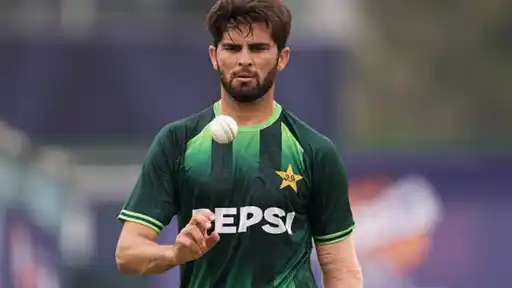
“Pakistan don’t need pace”- Shaheen Afridi on pace drop ahead of Pakistan vs England tri-series clash
Web Stories

India vs New Zealand T20 World Cup 2026 Final
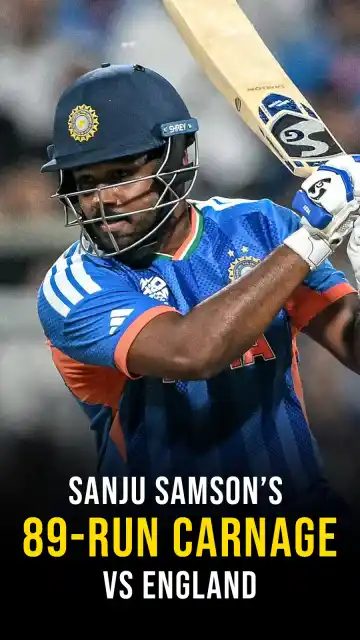
Sanju Samson’s 89 vs England Powers India in T20 World Cup 2026 Semifinal

Biggest Opening Partnerships in T20 World Cup Knockouts

India vs England T20 World Cup Semifinal History
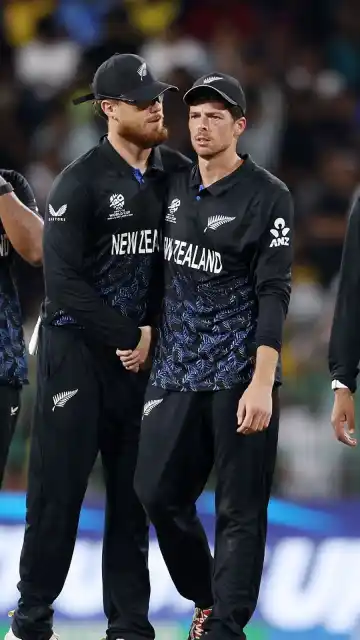
New Zealand Knock Out Sri Lanka – Super 8 Match Highlights & Key Moments