The evolution of DRS in cricket: How the Decision Review System changed the game forever
The evolution of DRS in cricket: how the Decision Review System changed the game forever, from its 2008 debut to Hawk-Eye, UltraEdge and today's real-time technology. Full timeline and controversies


For the largest part of history, it was a game governed by human judgment, where the umpires stood with full authority, and their decisions were final, irrespective of whether they were right or wrong. While the sport is about unpredictability and charm, it left room for glaring errors that could alter the course of the games, careers, and even legacies.
With the rise of television broadcasting and a global audience, the demand for greater accuracy became hard to ignore. The introduction of the Decision Review System (DRS) brought a revolutionary shift in how the game was officiated, but India didn't show any interest with the decisions going against them.
DRS, along with the technology, allows the players to challenge the on-field calls. Tools like ball-tracking, UltraEdge, and Hotspot have transformed the judgement, adding a layer of scientific precision that had never been observed in the sport.
The DRS journey hasn’t been smooth, as the inconsistent results created many controversies and divided the cricketing world. Many undermined the authority of the umpires, while others have questioned the margin of error in technologies like Hawk-Eye.
The arrival of decision review system (DRS): How it all began
The arrival of the DRS kept the umpire’s decision no longer final. Though the process eased the pressure on the umpires, it has given birth to many controversies. The Sydney Test in 2008 between Australia and India saw several umpiring errors, as the first victim of the DRS was an Indian. Later, it turned out that the ball-tracking technology might not have been applied correctly.
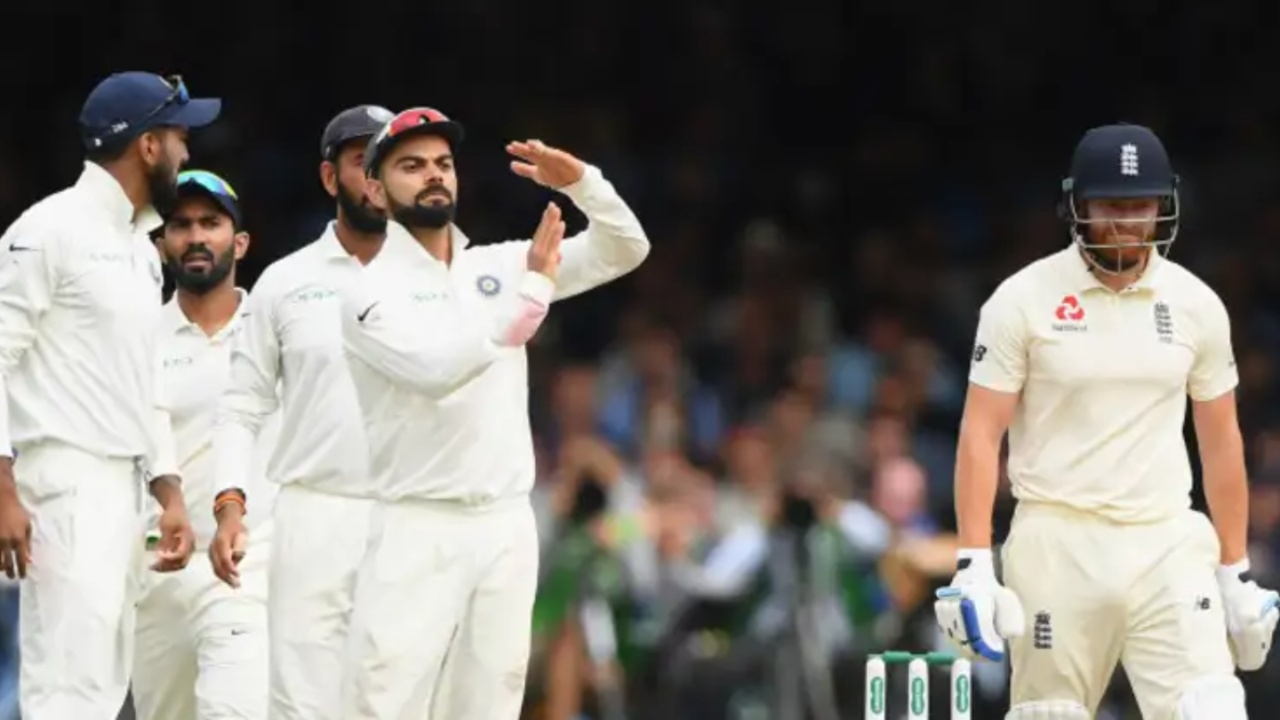
In adjudging Virender Sehwag leg before the wicket (LBW) upon review, the person missed a crucial element while using the system. It showed that the opening batter was pinned on the back foot, while the ball actually deflected off the front pad.
The Sri Lanka players were very smart in using the review system as it became apparent quickly. The DRS was used as much as a tactical tool by the teams as it would overturn all the obvious errors. The Indian team wasn’t convinced by the review, as the Board of Control for Cricket in India (BCCI) remained a strong opponent of the DRS until 2016, when the leadership changes promoted the rethink. The DRS finally became accepted.
See Also: Top 10 most dangerous T20 batters of all time: The ultimate power-hitters list
The technology isn’t totally convincing, as it’s provided and controlled by the home broadcaster, not the ICC, for all the bilateral series. Limiting the number of reviews provides justice, and the element of umpire’s call is a lucky factor.
The batters could no longer use their pad to get rid of the leg-before decisions on the front foot against spinners. It won’t remain the unwritten insurance of the benefit of doubt.
The former England batter, Kevin Pietersen, reflected on the reality when he noted that DRS had added the fourth stump for the batter’s perspective. Spinners have honed their attack to the LBWs more rather than the other traditional dismissals.
Timeline: Key moments and controversies that shaped DRS
In 2008, a decision was made to put the DRS on trial in the Test series between Sri Lanka and India, which started in 2008. In August, Sehwag became the first player to be given out after the on-field umpire’s decision was overturned by the DRS. In the three Tests in Sri Lanka, the hosts made 11 successful reviews, while India had only one.
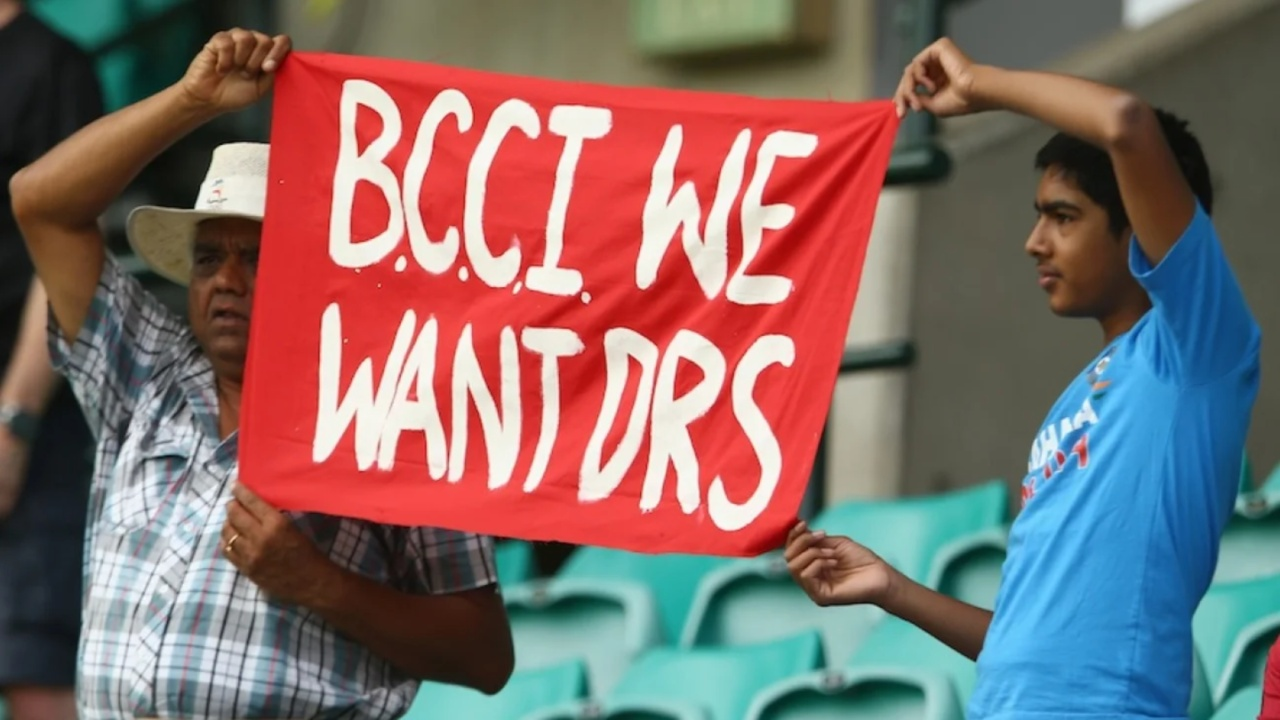
In March 2009, the ICC expanded the scope of the DRS by getting the Hotspot as a tool for decisions, as it was again trialled during the second and third Tests between Australia and South Africa. In November 2009, the BCCI went against using the DRS for the Tests against Sri Lanka. This pushed the other board to call on the ICC to fund DRS.
In October 2010, the ICC revealed that DRS would be used in the 2011 World Cup. The ball-tracking was applied in all games, while the Hotspot was available for the semi-finals and final.
In February 2011, the supplier wasn’t ready to use the cameras for the event in the World Cup. In the same period, Billy Bowden’s not-out decision of Ian Bell against England triggered a spat between the BCCI and the ICC. In June that year, the ICC mooted finding a sponsor to fund DRS while they also agreed to make DRS with Hotspot mandatory in all Tests and ODIs.
In August, the BCCI and Hotspot agreed to use the technology in India’s home season. But the BCCI criticized Hotspot in September due to several decisions on India’s tour of England.
In February 2012, the ICC decided to test the two ball-tracking technologies, Hawkeye and Virtual Eye, at Cambridge University.
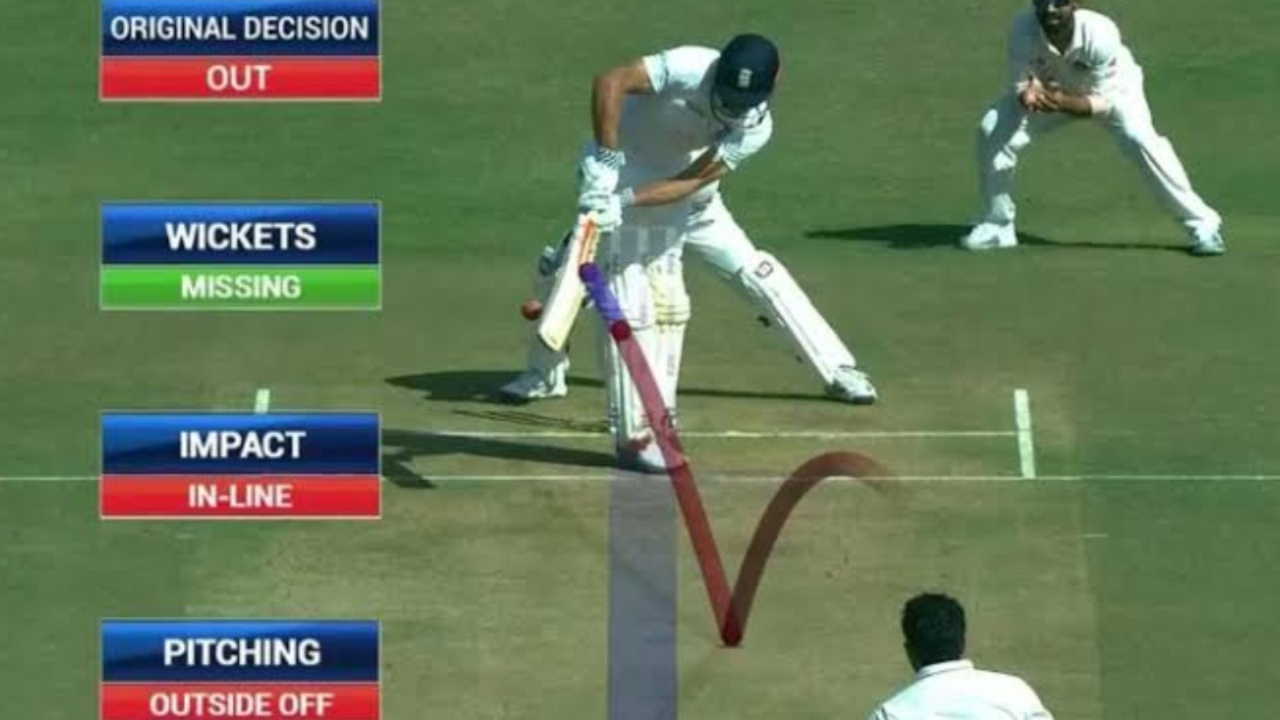
Four years later, in 2016, the BCCI finally accepted the DRS, which turned out to be a global standardization of the system. In 2018, it was introduced in the Indian Premier League (IPL), making it mainstream across the formats and events. In 2019, during the Ashes, it sparked outrage over the fans’ frustrations as the same controversy took place during the World Cup 2019 final.
In 2026, there is a new debate between the two technologies, Snicko and UltraEdge, with the players questioning the reliability in high-profile matches.
DRS pros and cons: Has technology really made cricket fairer?
The biggest argument in favour of DRS is simple: accuracy. With the introduction of technologies like Hawk-Eye ball tracking, UltraEdge, and Hotspot. The game has become more reliable in verifying the decisions, as the studies and the match data over the years have shown a clear drop in the number of errors.
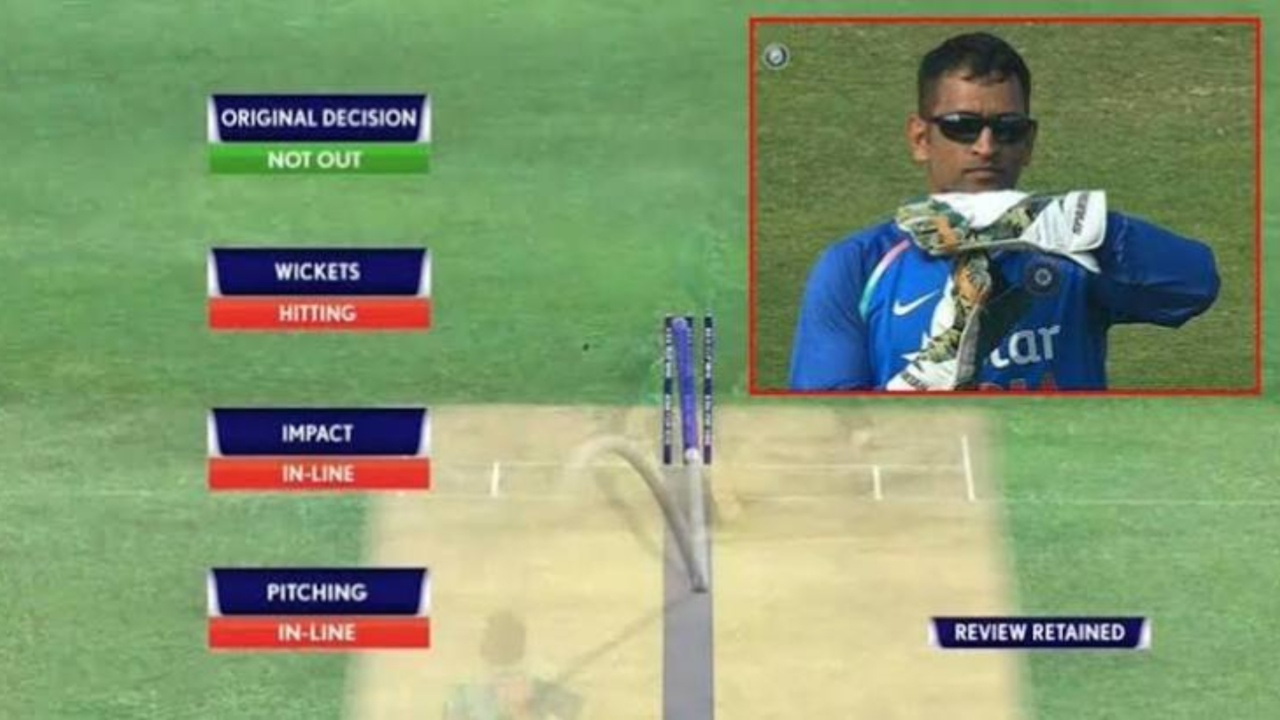
The biggest benefit of the DRS is the balance between the bat and ball, as the teams have the chance to correct the injustice, which has helped level the playing field and reduced the sense of ‘luck’ influencing outcomes.
See Also: Steve Smith Teases Shaheen Afridi After Missed DRS in PSL 2026
The teams and captains have become much more careful about when to use their limited reviews, as the leaders like MS Dhoni became famous for his sharp use of the DRS, turning reviews into match-defining moments.
A massive controversy on the DRS erupted in 2021 during the Test series between India and England when Virat Kohli was seen remonstrating with the umpires after an LBW call went in England’s way during the second Test of the series in Chennai.
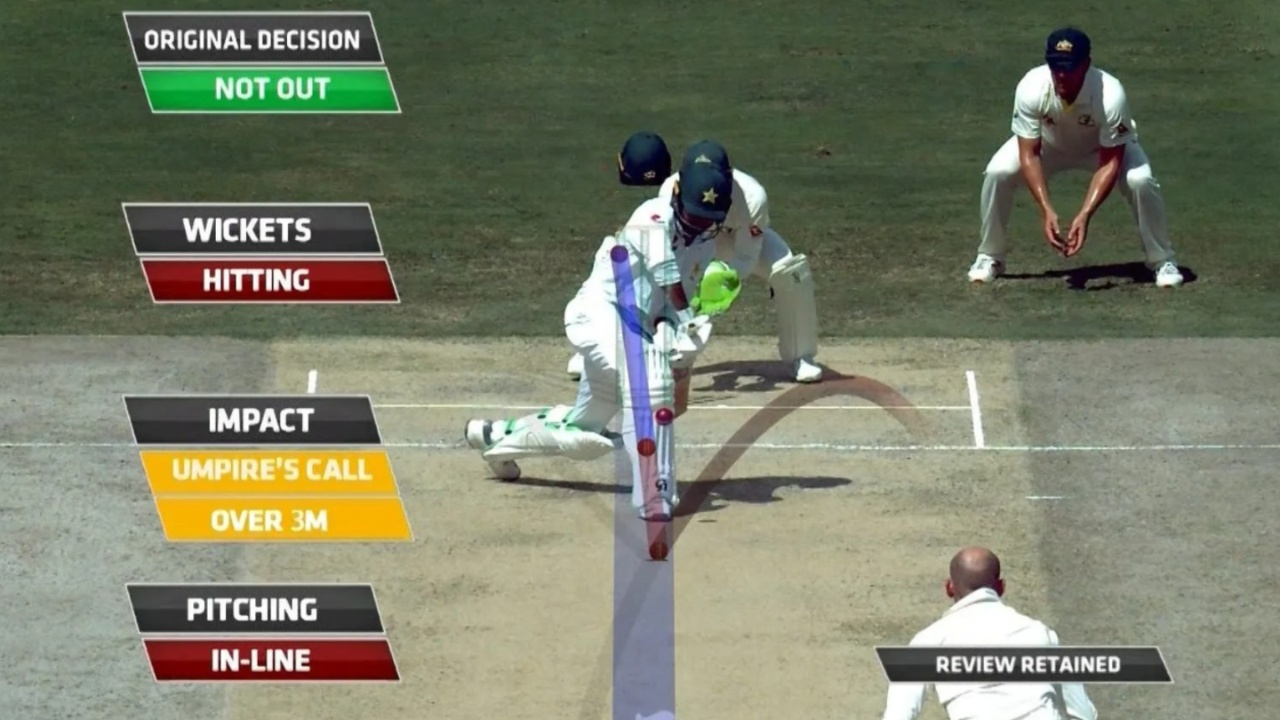
He reckoned that the umpire’s call had been creating a massive issue. The umpire’s call was made to give respect to the decisions being made on-field by the officials. But Kohli claimed that when the ball had been shown as clipping the stumps, the bails were going to fall.
However, the former England captain and a renowned commentator, Nasser Hussain, explained the requirement of the umpire’s call in the lbw decisions as reflected in how the margin of error would increase the area of expected impact on the stumps to be higher and wider.
“Virat said: ‘If the ball is hitting the stumps, it is hitting the stumps. But actually, Virat, that ball has never hit the stumps. That is a prediction. The ball has hit the pad. The technology, with its range of error in there, is predicting that it might well hit the stumps.” Hussain addressed.
“It never actually hits the stumps. That’s the difference, and that’s why you need the margin of error, and that’s why you need the umpire’s call. It’s not there to back up the umpire; it’s to give the margin of error for technology. If it didn’t have that, and you had umpire’s call as out.” The former England skipper added.
Where the ICC can still improve the DRS system
There is still room for improvement in the DRS being applied, as the grey areas need to be handled. The International Cricket Council (ICC) could look back at the concept of umpire’s call, which has divided opinions among the players and the fans.
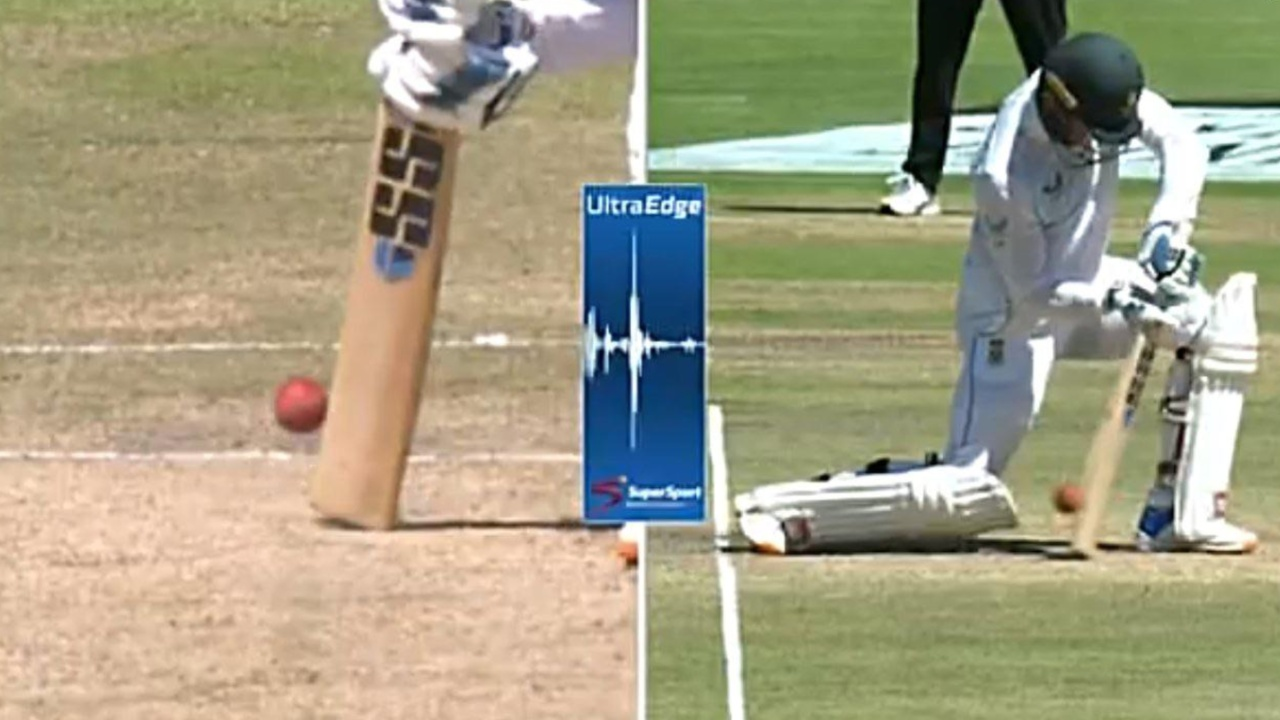
There will need to be further investment in improving the ball-tracking accuracy, which would help address lingering doubts about the technology. For the technology to represent fairness across the sport, it must be consistent across the international and major domestic events.
See Also: ICC Unveils New Test Cricket Rules: Stop Clock, Revised DRS, Saliva Ban, and On-Field Penalties
Enhancing the real-time communication between the players, umpires, and broadcasters would make the decisions easier to understand for the audiences. The ICC can take the DRS closer to its ultimate goal- which is making the game not just fairer but unquestionable.
The evolution of DRS in cricket- FAQs
Frequently Asked Questions
The DRS was first trialled in 2008 during the Test series between India and Sri Lanka, as it used to be called the Umpire Decision Review System (UDRS).
The DRS is the combination of advanced tools, including Hawk-eye, UltraEdge, and Hotspot, as these technologies help in determining LBW decisions, edges, and close bat-pad decisions.
The umpire’s call is based on marginal decisions, especially the LBWs, as the on-field umpire’s decision is upheld if the technology shows only a slight margin of the impact.
The DRS was controversial in its early days as the Board of Control for Cricket in India (BCCI) remained against it before finally accepting it in 2016 during the home season.
About the Author

Massive cricket lover and follower of world cricket since mid 2000s. Like to frame the game through stats and numbers. Bit old-school cricket lover, who always get encouraged by Test cricket. Questions few complex rules which baffle the new viewers of the game. Have been working as a cricket writer for more than 5 years.
POLL

1,751
total votes
1/8/2027
end date
Watch Now
 Cricket News1 min
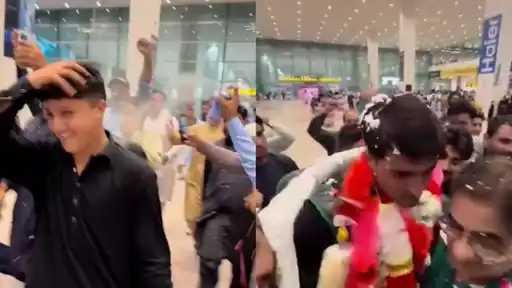
Razaullah receives grand reception on his arrival in Islamabad after superb Test debut
 Cricket News1 min
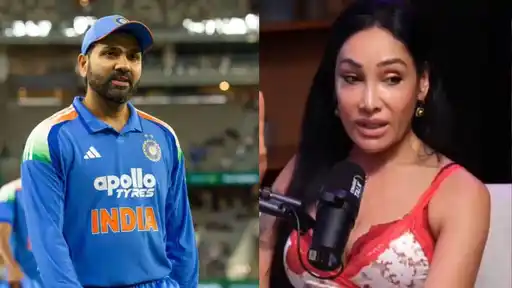
“Not good in bed”: Sofia Hayat sparks massive claim about Rohit Sharma amid IND vs AFG series
 Cricket News1 min
“Don’t want to play” — Bhuvneshwar Kumar reacts to India comeback talk after stellar IPL 2026 season
Web Stories
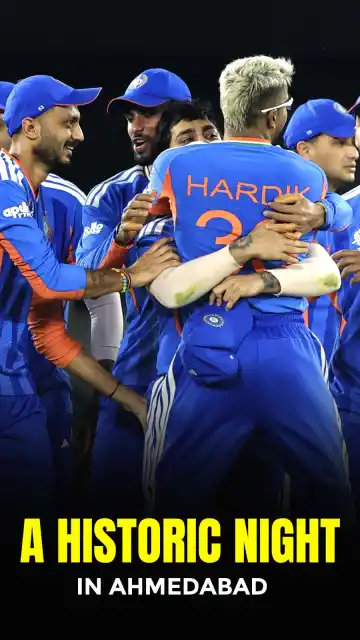
India vs New Zealand T20 World Cup 2026 Final
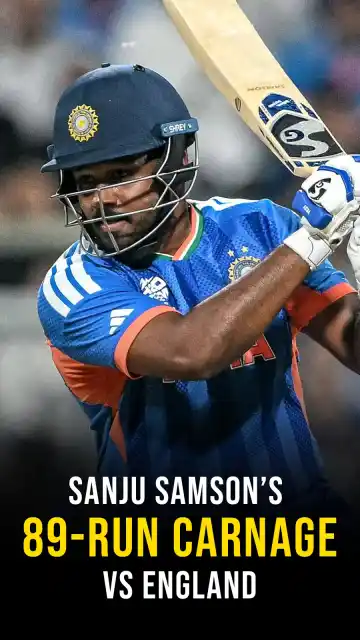
Sanju Samson’s 89 vs England Powers India in T20 World Cup 2026 Semifinal

Biggest Opening Partnerships in T20 World Cup Knockouts
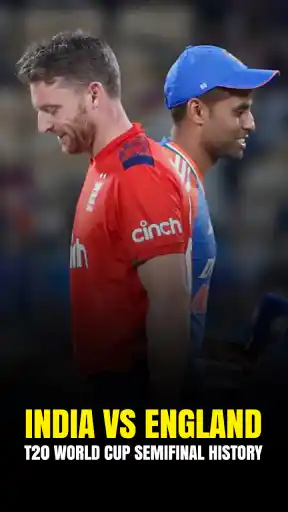
India vs England T20 World Cup Semifinal History
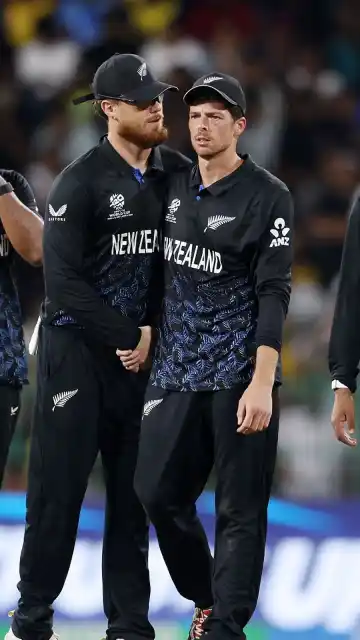
New Zealand Knock Out Sri Lanka – Super 8 Match Highlights & Key Moments