ICC's new pregnancy return-to-play rules are finally here — And they could change everything for female cricketers
ICC launches Guidelines for safe postnatal return to cricket, covering recovery, medical reviews, gradual training, conditioning, return to play & monitoring.


The International Cricket Council (ICC)has launched its 'Return-to-Play Post-Pregnancy Guidelines' for female cricketers, providing a structured framework to help players safely return to the game after childbirth. The guidelines are designed to support cricketers, member boards, coaches, and medical professionals throughout the transition back to competitive cricket.
With women's cricket becoming increasingly professional and offering more long-term career opportunities, a growing number of players are choosing to start families during their playing careers. Recognising this shift, the ICC has introduced the new framework to ensure players receive the necessary support and guidance while balancing motherhood and elite-level cricket.
The initiative forms part of the ICC's broader commitment to player health, wellbeing, and the continued growth of women's cricket. Under its "100% Cricket" movement, the governing body has been promoting awareness around women's health and creating a more supportive environment for female athletes. The new guidelines will also help member nations develop their own pregnancy and return-to-play policies in line with local laws and regulations.
What the ICC's new guidelines actually say — And why they took this long
Traditionally, many female athletes chose to delay motherhood until the end of their playing careers. However, with women's cricket becoming more professional and offering longer career opportunities, more players are now starting families while still competing at the highest level. The ICC's new Return-to-Play Post-Pregnancy Guidelines have been introduced to support these players as they return to cricket after childbirth.
To ensure a safe and structured comeback, the guidelines are built around a six-stage framework known as the "6 Rs" — Ready, Review, Restore, Recondition, Return, and Refine. The process covers every stage of recovery, from post-birth health assessments and wellbeing reviews to gradual training, cricket-specific conditioning, return to competitive cricket, and continued monitoring after a player is back in the team environment.
See also -ICC plans major WTC expansion to 12 teams from 2027–29 cycle: Report
The ICC has also recommended that member boards appoint a dedicated case manager to support players throughout their return-to-play journey. In addition, each player should have access to a care team consisting of both internal cricket staff and external medical professionals. While the ICC has not specifically stated why such guidelines were introduced only now, the move reflects the growing professionalism of women's cricket and the increasing need for formal support systems for player welfare and career longevity.
How long must a female cricketer wait before returning? The timeline explained
One of the key points in the ICC's new guidelines is that there is no fixed timeline for when a female cricketer must stop playing during pregnancy or when she can return to the game. Instead, every decision should be based on the player's individual medical condition, with advice from her treating doctor, obstetrician, and the team's medical staff.
The guidelines state that exercise during pregnancy is strongly recommended and can generally be performed safely without risk to either the mother or the baby. However, there is limited research on designing training programs for elite athletes, and there is no known upper limit for safe exercise intensity, duration, or type during pregnancy. As a result, training plans should be tailored to each player's needs and regularly reviewed throughout the pregnancy.
The ICC does recommend that players stop competing by the end of the first trimester. However, it also makes clear that there is no mandatory gestational age at which a player must leave competition. Factors such as the risk of injury from the ball, collisions with other players, travel requirements, extreme weather conditions, and access to healthcare must all be considered before a decision is made.
The guidelines further highlight the importance of monitoring changes in a player's body during pregnancy. These include hormonal changes affecting ligaments, shifts in balance and movement, medication safety, supplement use, and pelvic floor health. The ICC has advised that female cricketers work closely with medical experts and women's health specialists throughout their pregnancy to ensure the health and safety of both mother and baby remain the top priority.
Jay Shah Backs New Policy as Afy Fletcher Highlights the Importance of Support
ICC Chairman Jay Shah welcomed the introduction of the Return-to-Play Post-Pregnancy Guidelines, describing them as a major step towards creating a more supportive environment for female cricketers. He stressed that no player should have to choose between motherhood and representing her country at the highest level.
"The continued growth of women's cricket must be built on opportunity, inclusion and care for our players at every stage of their lives and careers. No player should have to choose between motherhood and representing her country at the highest level," Shah said. He added that the guidelines would provide member boards with practical support to help players return to cricket with confidence while also protecting player welfare and strengthening the future of the women's game.
See also -Can India still qualify for Women's T20 World Cup 2026 semis after shocking loss to South Africa?
West Indies spinner Afy Fletcher, who returned to international cricket after giving birth to her son in 2021 and is currently featuring in the ICC Women's T20 World Cup, believes the new framework will encourage more players to continue their careers after becoming mothers. According to Fletcher, the guidelines give female cricketers the confidence to start a family without feeling that it could end their playing careers.
Reflecting on her own journey, Fletcher said, "It gives you a chance to have your family and then return, so I think that's one of the best things they could have done for women's cricket." She also spoke about the emotional challenges of returning to professional sport after childbirth, adding, "Physical recovery was challenging but, more than that, I struggled to leave my child and miss creating precious moments. Every player's journey is different, but you have to have strong support, get healthy and trust the process."
About the Author

Sports run in my veins and stories fuel my pen. With over 3 years in journalism — including stints at Sportskeeda, Cricreads, and Athlete Fortune — I’ve lived every word I’ve written. A Madrista at heart and a CR7 devotee, I fell in love with cricket because of one man — Virat Kohli. His passion for the game taught me to see cricket beyond the numbers. Currently writing for Cricket Winner, I cover match analyses, player stories, stats-based features, and cricket news updates. When I’m not writing, you’ll find me glued to tennis courts or boxing rings, living the sport from every angle.
Watch Now
 Cricket News1 min
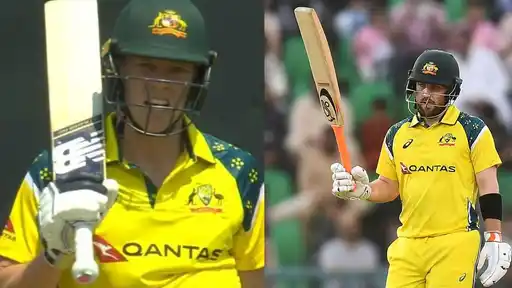
Australia survive huge Zimbabwe scare as Josh Inglis' century seals 1-wicket win in Harare
 Cricket News1 min
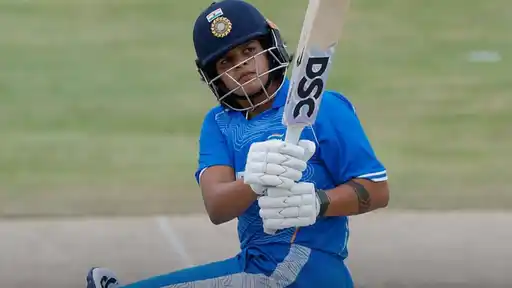
Shafali Verma celebrates 49-ball century against Bangladesh in Women's Asian Games 2026
 Cricket News1 min
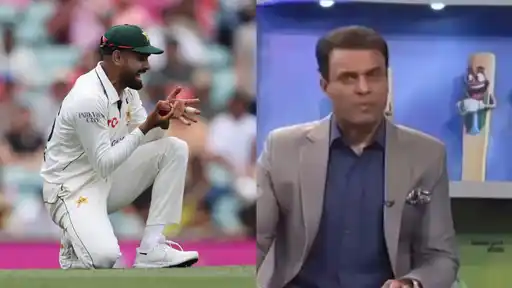
"Not a match-winner?" — Tanveer Ahmed's Babar Azam take sparks heated debate
Web Stories

India vs New Zealand T20 World Cup 2026 Final
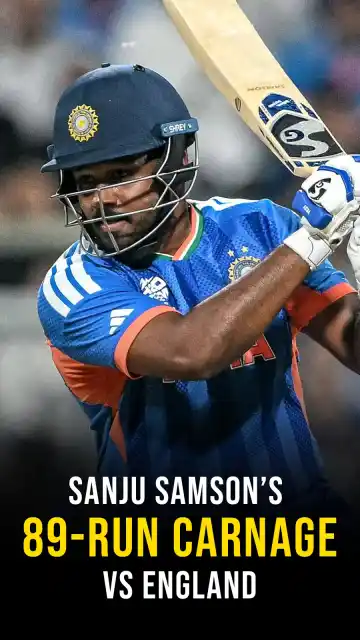
Sanju Samson’s 89 vs England Powers India in T20 World Cup 2026 Semifinal

Biggest Opening Partnerships in T20 World Cup Knockouts

India vs England T20 World Cup Semifinal History
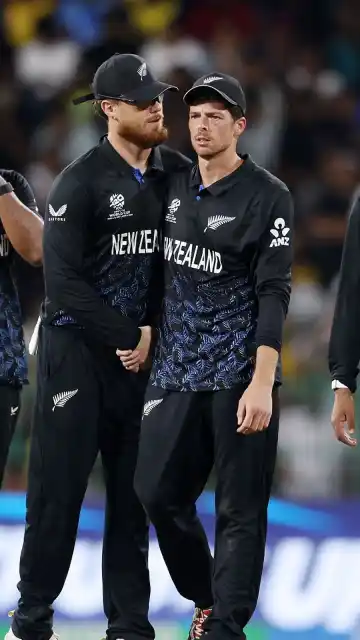
New Zealand Knock Out Sri Lanka – Super 8 Match Highlights & Key Moments