IPL 2026: Narendra Modi inaugurates indoor cricket academies in Northeast India
Narendra Modi Virtually Opens Indoor Cricket Academies in Manipur and Arunachal, Boosting Northeast Sports Infrastructure amid IPL 2026.


The Board of Control for Cricket in India (BCCI) reached an important milestone in developing cricket infrastructure by opening six modern indoor cricket academies in North-East India. These facilities were inaugurated by Narendra Modi.
The Prime Minister officially launched the academies virtually during a state event held in Gangtok. This step is seen as a major effort to improve sports infrastructure and support the growing talent in the North-East region. The new academies are part of BCCI’s ongoing plan to bring the North-East states at the same level as other well-established cricket regions in India. The aim is to promote cricket and provide better training facilities for young players.
BCCI also shared the update on social media, stating that these academies will help improve access to quality coaching and create more opportunities for cricketers in the region.
Watch the special moment here:
Major boost for cricket infrastructure across Northeast region
The Board of Control for Cricket in India (BCCI) has developed six indoor cricket academies across the North-East, located in Rangpo (Sikkim), Doimukh (Arunachal Pradesh), Imphal (Manipur), Madankurklang (Meghalaya), Aizawl (Mizoram), and Dimapur (Nagaland). These centres together form a strong and well-connected cricket training network, making quality facilities more accessible across the region.
A key highlight is the newly built cricket facility at the Sikkim Cricket Ground in Mining, Rangpo, developed at a cost of Rs 23 crore by the BCCI. The modern centre, set up within the Sikkim Cricket Association (SICA) premises, includes advanced training features such as net practice areas, a gymnasium, a swimming pool, and other essential infrastructure.
These developments are expected to improve training standards and support young cricketers in the North-East. By providing better facilities and opportunities, the initiative aims to strengthen cricket at the grassroots level and help nurture future talent from the region.
See also - PM Narendra Modi congratulates Team India after T20 World Cup 2026 triumph over New Zealand
New indoor academies aim to nurture next generation of talent
The academies have been designed as high-performance centres, equipped with indoor practice pitches, advanced gymnasiums, temperature-controlled swimming pools, and dedicated training and administrative blocks. These modern facilities will allow players to train throughout the year, while also addressing challenges such as the long monsoon season in the region. Importantly, they will reduce the need for young cricketers to travel to other parts of the country for professional training.
The initiative also marks a significant milestone following the inclusion of North-Eastern states in India’s domestic cricket structure. It reinforces the commitment of the Board of Control for Cricket in India (BCCI) to expand the game, identify talent, and promote player-focused development across all regions.
BCCI President Mithun Manhas expressed his appreciation for the inauguration of these facilities by Narendra Modi. He stated that the initiative reflects a clear vision to strengthen cricket infrastructure nationwide and create a more inclusive foundation for the sport. He also highlighted that the academies will ensure aspiring cricketers from the North-East have access to the same quality of training facilities as those in other parts of India.
Initiative gains attention amid ongoing IPL 2026 season
The initiative has gained wide attention during the ongoing IPL 2026 season, as cricket remains in strong focus across the country. With fans closely following matches and players, this development by the Board of Control for Cricket in India (BCCI) has added to the positive conversation around the growth of the sport. It highlights efforts being made not just at the top level, but also in building strong grassroots infrastructure for the future.
About the Author

A Madridista at heart, football is my first love, while cricket writing is my passion. Although Real Madrid sparked my love for football, Virat Kohli introduced me to the world of cricket. With over three years of journalism experience, I have written for Sportskeeda, Cricreads, and Athlete Fortune. I currently write for Cricket Winner, covering cricket news, match analysis, player stories, and statistics.
Watch Now
 Cricket News1 min
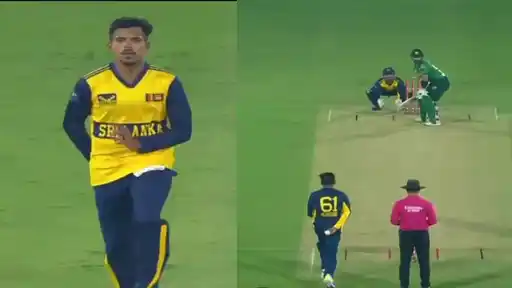
Maheesh Theekshana copies Sunil Narine’s unique bowling action in PAK vs SL 1st T20I
 Cricket News1 min
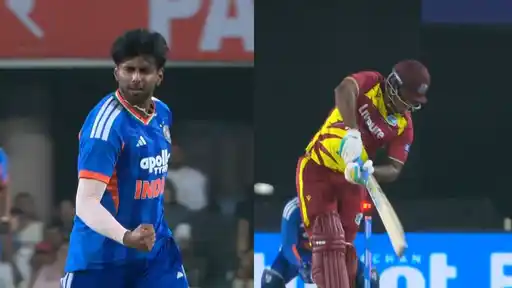
Mayank Yadav’s 144 kmph rocket delivery knocks over Shimron Hetmyer for a golden duck in IND vs WI 2nd T20I
 Cricket News1 min
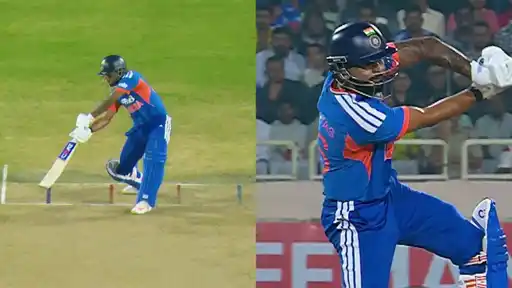
Shreyas Iyer’s unbelievable six over covers at Ranchi in IND vs WI 2nd T20I
Web Stories
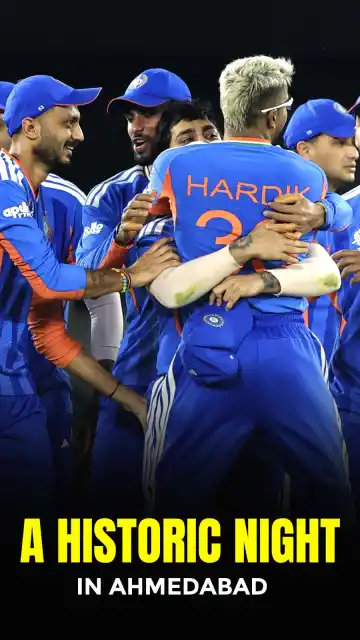
India vs New Zealand T20 World Cup 2026 Final
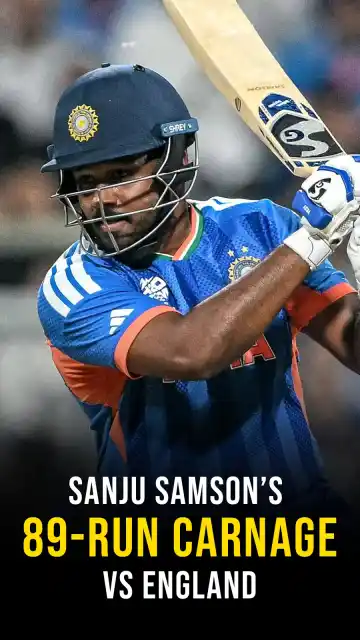
Sanju Samson’s 89 vs England Powers India in T20 World Cup 2026 Semifinal

Biggest Opening Partnerships in T20 World Cup Knockouts

India vs England T20 World Cup Semifinal History
New Zealand Knock Out Sri Lanka – Super 8 Match Highlights & Key Moments