IPL 2026: What is the IPL Loan Rule? All You Need to Know
What is the IPL Loan Rule? Explained after Ravichandran Ashwin’s CSK-Vihaan Malhotra suggestion


Veteran off-spinner Ravichandran Ashwin has sparked fresh debate around one of the tournament's lesser-known regulations after suggesting that Chennai Super Kings could target Royal Challengers Bengaluru youngster Vihaan Malhotra as a mid-season solution in the Indian Premier League 2026. At first glance, the idea may sound surprising — why would one franchise sign a player from a direct rival during the tournament?
But Ashwin’s suggestion is rooted in an existing provision within the league’s rulebook. The discussion gained momentum after the Chennai Super Kings suffered a setback with Ayush Mhatre being ruled out for the remainder of the season due to injury. With the squad now needing reinforcements, attention has turned toward the IPL Loan Rule, a mechanism that allows franchises to temporarily acquire eligible players from other teams under specific circumstances. That said, here we dissect a bit on the IPL Loan Rule.
What is the IPL Loan Rule?
Having its inception from the 2018 edition as a mid-season 5-day open window, the IPL Loan Rule allows a franchise to temporarily acquire a player from another franchise during an ongoing season. Unlike a permanent trade, this is a short-term move for the remainder of that edition, after which the player returns to his original team. It is designed to help teams deal with injuries, unavailability, or gaps in squad depth without waiting for the next auction cycle.
When Can the Rule Be Applied?
The loan window does not stay open throughout the season. According to widely cited regulations, it becomes active after the early phase of the tournament and runs during a defined mid-season period. Historically, this has been between matches 20 and 34 of the league stage, or effectively around the halfway mark when all teams have had a fair chance to assess their squads.
Which Players Are Eligible?
Not every player can be loaned. Only players who have featured in a maximum of two matches in that season are eligible for a loan move. This measure prevents regular starters from being transferred mid-season and ensures that the rule mainly benefits fringe players with limited opportunities.
Can the Player Refuse?
Yes. A player’s consent is required before any loan move can be completed. The transfer cannot be forced solely by the franchises. This keeps the process fair and gives players a say in their career opportunities during the tournament.
Can a Loaned Player Face His Parent Team?
No. One of the key restrictions is that a loaned player cannot play against the franchise that originally loaned him out. It is a common safeguard to avoid conflicts of interest and maintain competitive integrity.
Why Is This Rule Important?
The IPL season is intense, with matches packed into a short window. Injuries to key players or sudden squad shortages can derail campaigns. The loan rule gives teams flexibility while also creating opportunities for talented bench players stuck behind established stars in stronger squads. In many cases, it can be a win-win for both franchises and players.
About the Author

I love blending my passion for Cricket and Content Writing. From owning a Kashmir willow to looking up to my role model, MSD, cricket has always been an integral part of my life. I just love being crickety good...
Watch Now
 Cricket News1 min
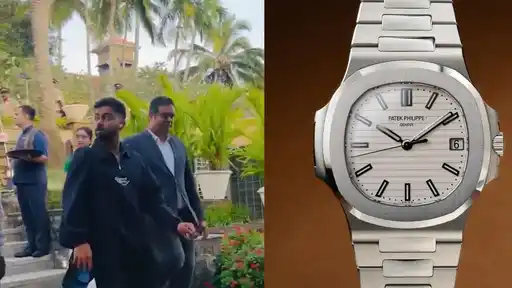
Virat Kohli wears nearly ₹2 crore Patek Philippe watch as he arrives in Thiruvananthapuram for West Indies series
 Cricket News1 min
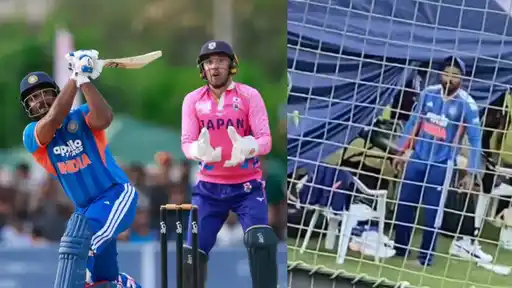
'I'm from Pakistan, I love you!' — Sanju Samson's hilarious interaction with Pakistani fan after IND vs JPN T20I
 Cricket News1 min
"Giving the pressure to" — Virender Sehwag on hosting Rise and Fall Season 2
Web Stories
India vs New Zealand T20 World Cup 2026 Final
Sanju Samson’s 89 vs England Powers India in T20 World Cup 2026 Semifinal

Biggest Opening Partnerships in T20 World Cup Knockouts
India vs England T20 World Cup Semifinal History
New Zealand Knock Out Sri Lanka – Super 8 Match Highlights & Key Moments