Rahul Dravid 'respectfully' disagrees with the ICC
I will definitely respectfully disagree with the average rating given for those two wickets.”

Rahul Dravid disagreed with the average rating for Pitches in Chennai and Ahmedabad. The ICC recently published ratings for pitches and outfields for match played until October 15 and the Indian coach has his own take on that.
ICC’s averaging rating for two pitches
The average rating for pitches in Chennai and Ahmedabad by the ICC after the recent India matches against Australia and Pakistan in the 2023 World Cup did not seem justified to the Indian coach, Rahul Dravid. “I will definitely respectfully disagree with the average rating given for those two wickets,” Dravid said on Saturday (October 21) a day before India’s game against New Zealand in Dharamsala.
He added, “If you only want to see 350 games and rate only those wickets as good, then I disagree with that. I think you have to see different skills on display as well. It’s not about if we wanted to see only fours and sixes being hit, then we have T20 wickets as well, where, honestly, in Delhi or in Pune, we probably [played on] 350-plus wickets as well. Only those are good wickets, then why are the bowlers here? Why have spinners at all, for that matter? If you all want spinners to come in and bowl 10 – 60 and go, so that you can watch fours and sixes and one ball spins or two balls spin and you rate that as average.”

Dravid explains
He further explained why he disagreed with the International Cricket Council. “I disagree with that because I think we should see all skills on display, the ability to rotate strike through the middle. See the quality of watching [Ravindra] Jadeja bowl or a [Mitchell] Santner bowl or a [Adam] Zampa bowl or watching Kane Williamson rotate the strike through the middle… Virat Kohli and KL Rahul the way they batted against Australia. Those are skills as well. Those also need to come out and be shown and be displayed.”
He continued, “Some of the wickets, even we have played, I mean, honestly, in Delhi and Pune, rotating the strike in the middle overs wasn’t necessarily a very difficult skill. The contest was about who could hit more fours and sixes. So that’s not the only way, in my opinion, respectfully, to be able to judge wickets. I think we need to have a better way of deciding what is good and average.”
About the Author
Watch Now
 Cricket News1 min
‘She was pregnant’ – RJ Mahvash drops bombshell about Chahal, makes shocking revelation on Dhanashree
 Cricket News1 min
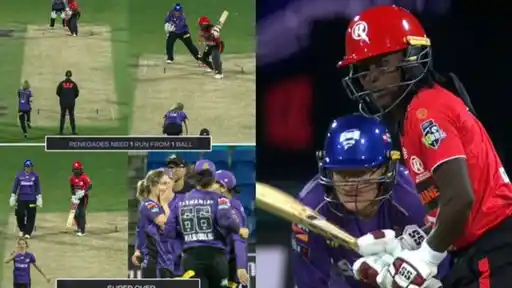
No-ball drama gives Melbourne Renegades a thrilling last-ball win in WBBL 2026
 Cricket News1 min
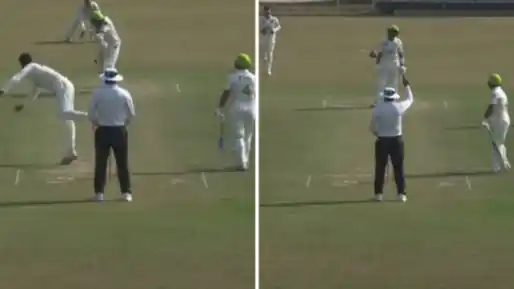
Babar Azam furious after controversial umpiring decision in Quaid-e-Azam Trophy
Web Stories

India vs New Zealand T20 World Cup 2026 Final
Sanju Samson’s 89 vs England Powers India in T20 World Cup 2026 Semifinal

Biggest Opening Partnerships in T20 World Cup Knockouts

India vs England T20 World Cup Semifinal History
New Zealand Knock Out Sri Lanka – Super 8 Match Highlights & Key Moments