Meet Harmanpreet Kaur: From swinging a hockey stick to leading India's cricket revolution
Meet the World Cup-winning captain of the Indian women's side, Harmanpreet Kaur, who started from swinging a hockey stick and featured for India in 200 T20Is, the first to achieve among male or female players.


On June 21, 2026, Harmanpreet Kaur becomes the latest woman to go where no man has ever reached. She featured in her 200th T20I game as India faced South Africa in the Women’s T20 World Cup 2026 at Old Trafford in Manchester. She became the first player, male or female, to feature in 200 T20Is, with the second best being Suzie Bates with 184 games at the moment.
In men’s cricket, the record of most T20I matches belongs to the Ireland captain, Paul Stirling, who has been part of 163 games of the 20-over format, while Rohit Sharma, the former World Cup-winning leader, retired from the format with 159 games after winning the 2024 edition of the 20-over World Cup.
Harmanpreet sits at the third position on the list of most runs in women’s cricket with 4123 in 178 innings before the landmark game at an average of 30.09 and a strike rate of 110.24 with the help of 17 half-centuries and one century at the best score of 103 runs against New Zealand during the T20 World Cup 2018.
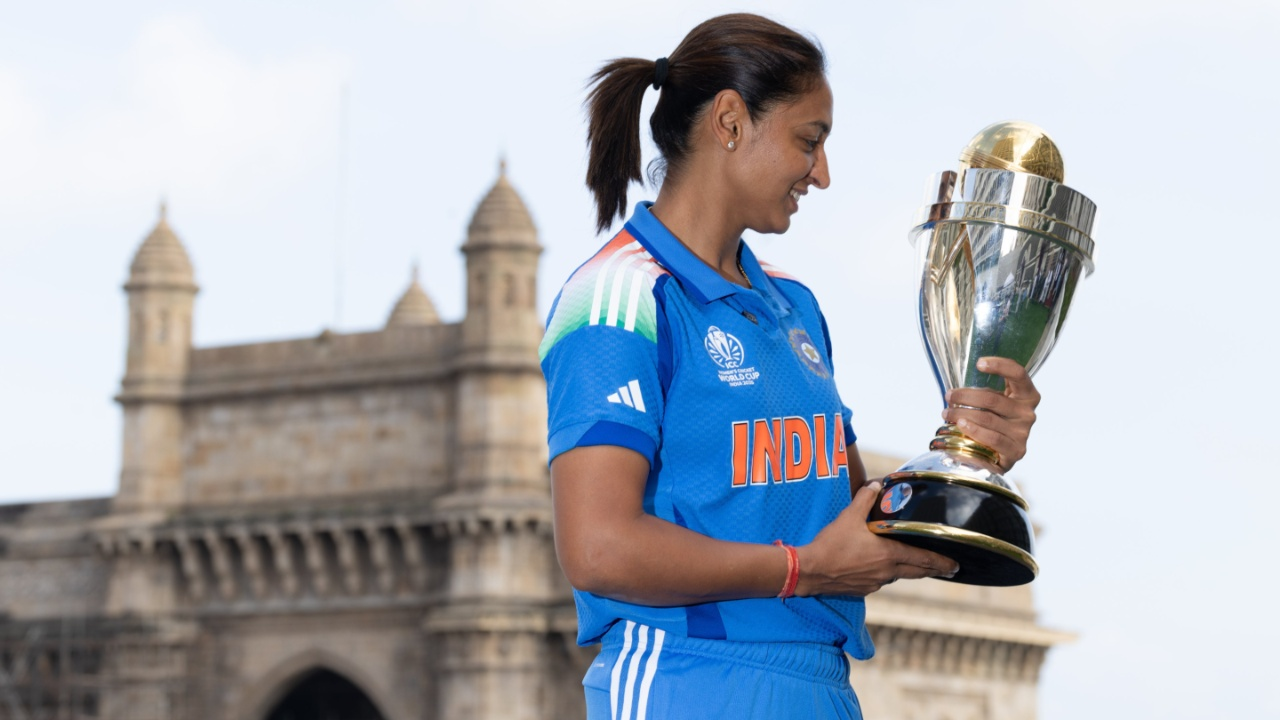
It was just about nine months ago when she scripted her name in the record book by winning India’s historic ODI World Cup 2025, beating South Africa in the final at the DY Patil Stadium in Navi Mumbai. If any captain would ask for a fitting moment of winning an ICC trophy, most would go for the winning six of MS Dhoni from 2011 at the Wankhede Stadium.
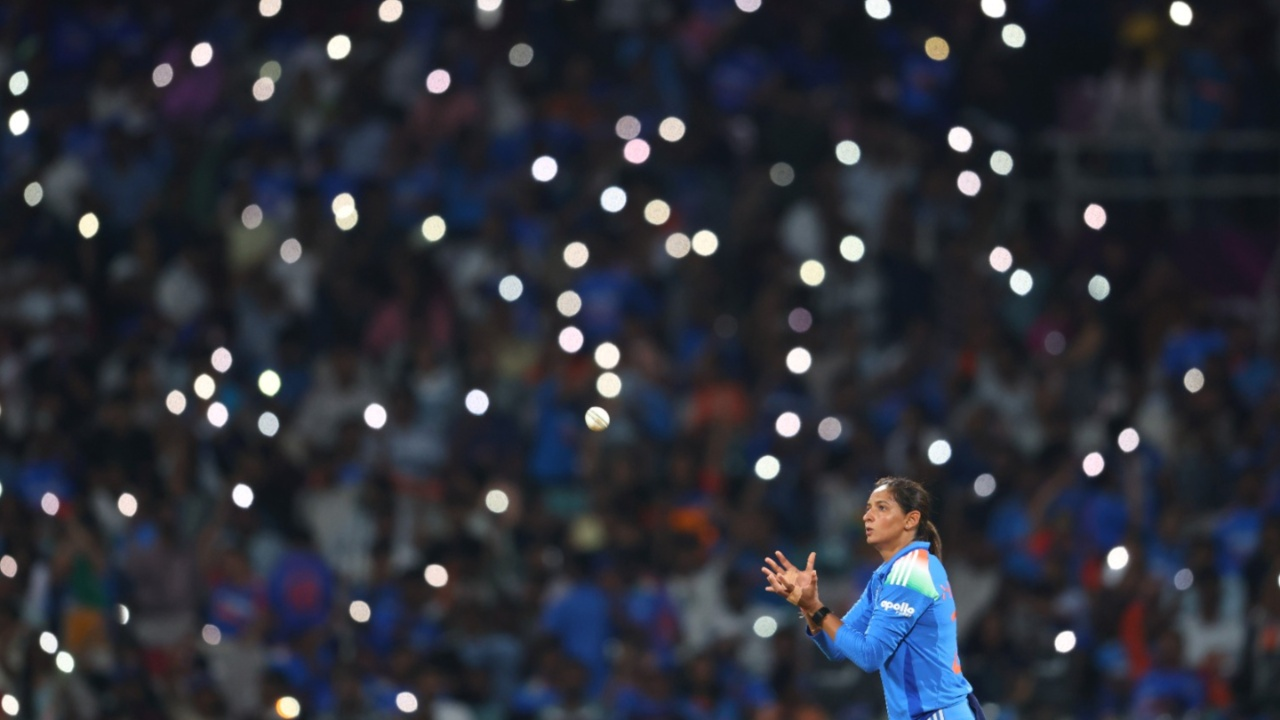
But a few kilometers away from the venue, nearly 14 years later, Harmanpreet produced her own moment by grabbing the winning catch of the final. It was close to Kapil Dev’s catch to dismiss Viv Richards in 1983. Only the fact that Harman had a simple catch to grab, but the ball had the weight of several hopes and more of the critics.
From Moga's backyards to World Cup glory — How Harmanpreet Kaur's cricket story began
Born on March 08, 1989, in Moga, Punjab, to Hamandar Singh Bhullar and Satwinder Kaur, who was once a volleyball and basketball player, Harmanpreet shared her home with a more youthful sister, Hemjeet. Growing up in a small city, she displayed an early love for sports as she attempted her hand at badminton and hockey.
Cricket didn’t capture her mind at the start and took a long time to touch her heart. In a neighborhood where prepared women’s cricket was nearly absent, Harman often performed with the gully cricket with boys, mastering batting against the harder combatants and constructing her fearless left-hand attitude.
Until the Nestle manufacturing facility came up in the district in 1961, the district was identified only as the birthplace of freedom fighter Lala Lajpat Rai. Nearly 30km south of Harmanpreet’s house in Dunneke is Rode, which is the ancestral village of Jarnail Bhindranwal, who was at the centre of the Sikh separatist movement in the 1980s.
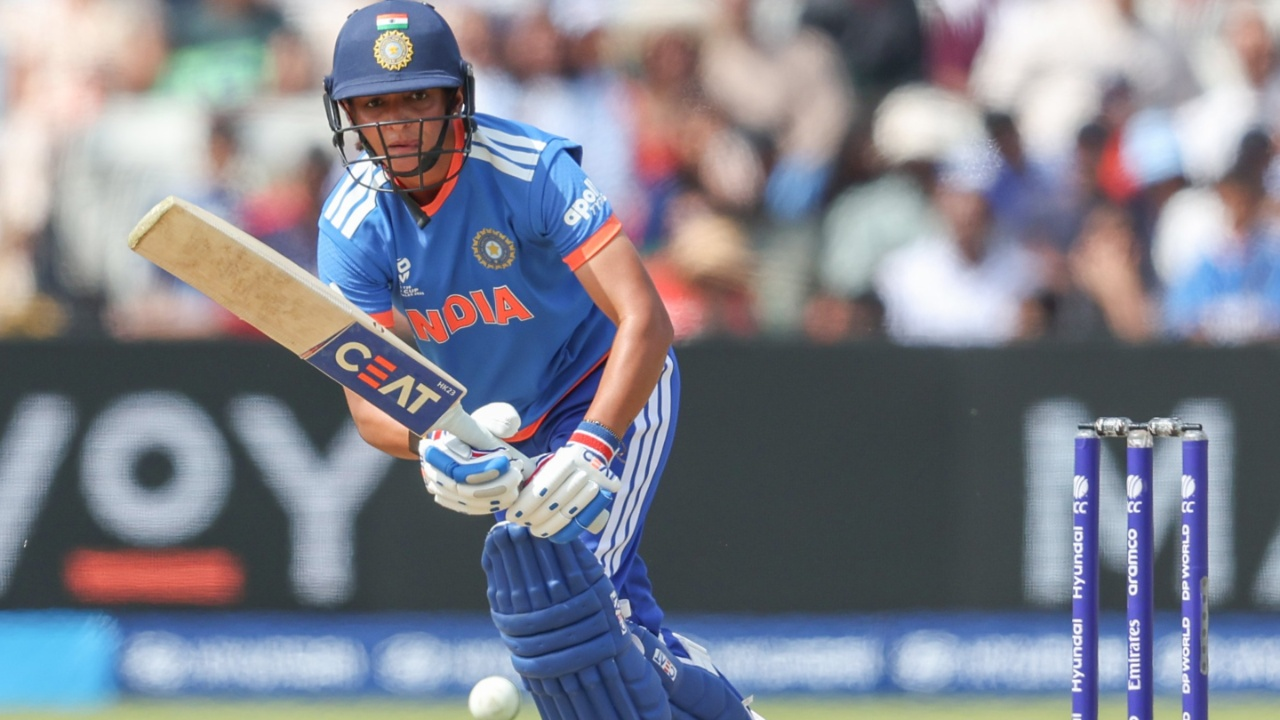
Kamaldheesh Sodhi, the father of Harman’s brother, had a massive love of cricket that a cricket academy came up in Gian Jyoti School, where the youngster went on to study in 2006. It was even one of only two cricket-training centers for girls in Moga. Had it not been for Kamaldheesh, then Harman’s cricket journey would have ended at the Guru Nanak Dev College ground in the neighborhood.
Having two siblings meant only one thing: Harmanpreet would often have to make use of the cheapest bat available, or be denied the gear altogether. By the time the Bhullars moved into their new house, the young girl had moved from Moga to Mumbai.
Diana Edulji, who was a member of the Committee of Administrators of the Board of Control for Cricket in India (BCCI), was the time spots officer at Western Railways. She followed Harmanpreet’s all-around talent with a massive interest. On her request to Sachin Tendulkar to write a letter to the Railway minister, Harmanpreet got a job as a chief office superintendent in Mumbai in 2014.
See Also: Watch: Harmanpreet Kaur shares bold ‘can win anywhere’ vision for Women’s T20 World Cup 2026
There was not much time for quality practice in Mumbai, as Harmanpreet used to wake up at 5:30 in the morning before going for the morning practice session and coming back to Bandra, where she shared a room at the Western Railways quarter. At around 1 in the afternoon, having taken her lunch in the train, she would head to the office to complete the mandatory half-day’s work.
“Even at the grounds where we would practice, there were specific slots for women's cricketers for, say, only about two hours. Most of the time, we would end up practicing in the indoor facility at the Bandra-Kurla Complex, using a bowling machine. Even with the medium-pacers around, how much can you improve as a batsman if balls are lobbed at you with a short run-up?” She expressed in Cricket Monthly.
171, a maiden T20I century & most caps ever — The records Harmanpreet Kaur has built for India
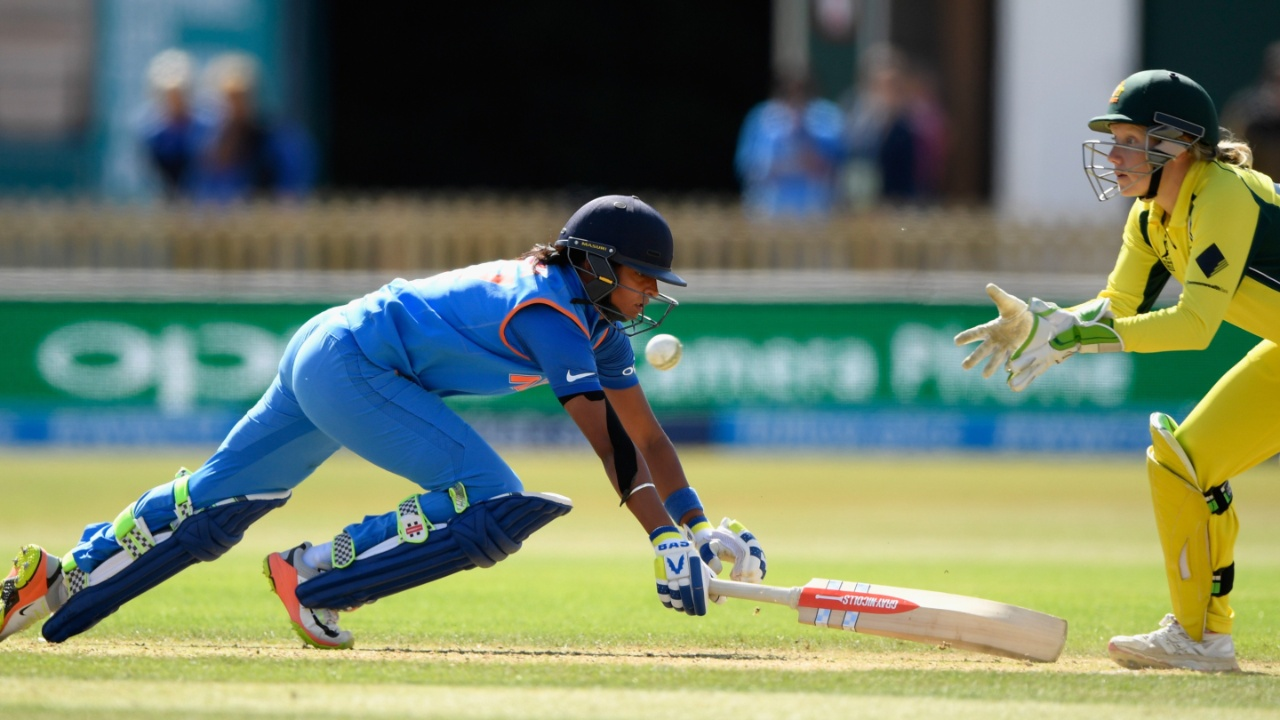
There was a change in how Harmanpreet took guard in the extended open-wicket sessions. She tried to target the arc between mid-on and mid-wicket during the two and a half months in Pune after the T20 World Cup 2016 in India and trained under Harshal Pathak, a BCCI level B coach and former assistant coach of Maharashtra’s Ranji team.
In the first two yo-yo tests conducted after the 2017 World Cup, Harmanpreet scored the highest among her India team-mates before bettering her 17.2 in November 2017 with 18.5 in April 2018.
It was the second semifinal from Derby in the 2017 ODI World Cup as Australia faced India, with the thrilling record of not losing to India in a World Cup match earlier. When she fronted up against a bowling all-rounder who had only 27 games in international games, Harmanpreet didn’t face more than 18 balls in India colours.
Walking out at the crease at the dismissal of Punam Raut on 35/2 in the tenth over, she left the crease with an unbeaten knock of 171 runs off 115 balls, shining besides her name, thanks to 20 boundaries and seven sixes at a strike rate of nearly 150.
See Also: Meet Fatima Sana: From tape-ball cricket in Karachi to Pakistan's fast-bowling captain
“People will perhaps remember me for 171, for scores bigger and smaller. Innings from the past or the future. The only thing I've always wanted is the winning shot to come off my bat. Whether it's a single or a six, it doesn't matter to me - my dream is to be the one who hits the winning runs for my team.” Harmanpreet said in the same interaction.
As of June 20, 2026, she is the third leading run-getter of the Women’s ODIs for India with 4541 runs in 143 innings at an average of 37.22 and a strike rate of 76.86 with 24 fifties and seven centuries. Her 4123 runs in T20Is keep her in second place for India, only after Smriti Mandhana’s 4475 runs.
In the ICC Women’s T20 World Cup history, Kaur is currently the ninth leading run-getter with 774 runs in 35 innings at a strike rate of 112.01 with four half-centuries and one century.
Harmanpreet Kaur’s cricketing career-
|
Format |
Inns |
Runs |
Avg |
SR |
50s/100s |
HS |
|
WODIs |
143 |
4541 |
37.22 |
76.86 |
24/07 |
171* |
|
WT20Is |
178 |
4123 |
30.09 |
110.45 |
17/01 |
103 |
|
WTests |
11 |
230 |
23.00 |
57.07 |
01/00 |
69 |
More than a captain — What Harmanpreet Kaur has given to Indian Women's cricket
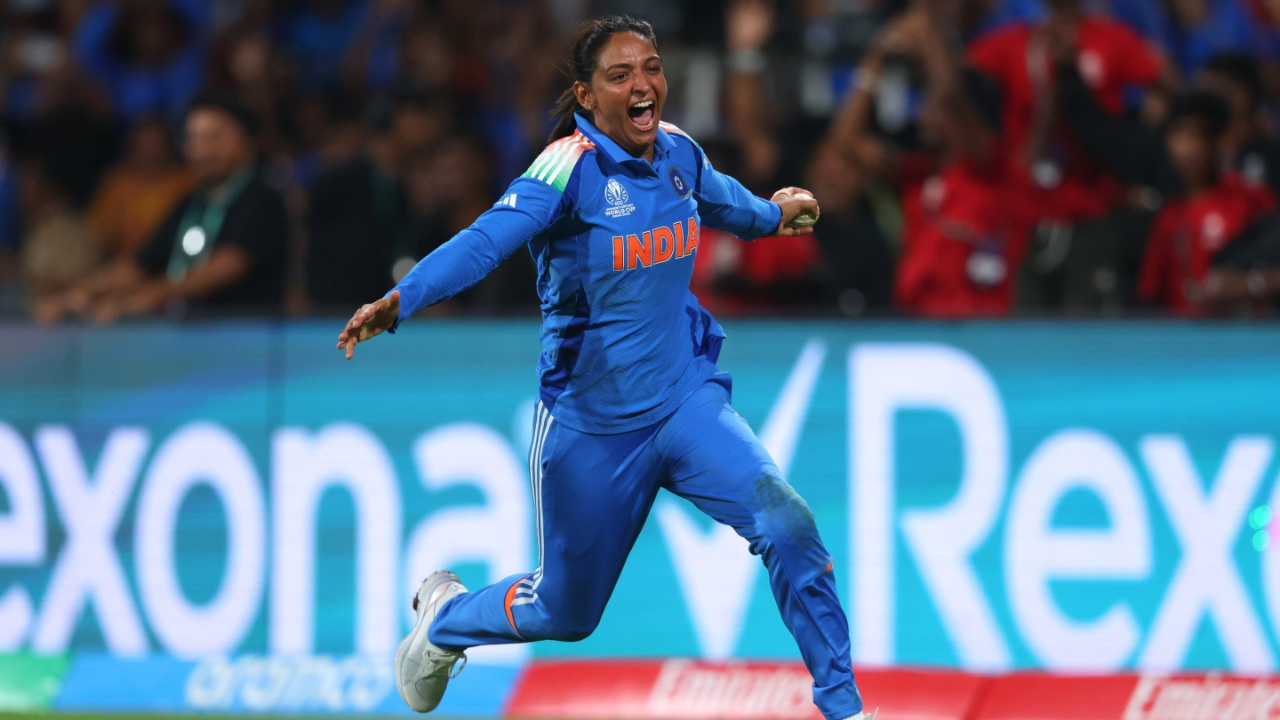
To build history and come up against the odds in this game of cricket, one needs feisty character. You may not need a few good bunch of persons with always a smile on their face, but one needs those who could show some attitude in the middle and come up with better tactics and the power to look into the eyes of the opposition.
If this gives one a description of Virat Kohli, then hold a second to mirror it of Harmanpreet Kaur. There were several press conferences and moments one would look back at Kaur and wonder what she is made of.
She has taught India how to be aggressive in stroke play and fearless in leadership. The veteran has, undoubtedly, transformed the mindset of this team, turning them into fierce and consistent competitors. It was in May 2026 when she received the Padma Shri award for guiding India to the maiden World Cup win from President Droupadi Murmu.
See Also: Shree Charani: The plastic bat girl who became India's left-arm spin answer
“This recognition is not just mine - it belongs to my parents, family, coaches, teammates, friends, and every single person who supported and believed in me throughout this journey.” She said on winning the award.”
“From a young girl with dreams in her eyes to representing India on the biggest stages, every moment has been possible because of your love, sacrifices, and encouragement.” She added.
Can a 37-year-old Harmanpreet Kaur manage the strike rate issue through India's T20I grind?
At the age of 37, Harmanpreet was asked whether she would retire from the game’s shortest format after this World Cup. Harmanpreet took the question as a shocker and was shocked. But her number actually gives strength to the question maker. Her career strike rate of 110 isn’t good enough for a middle-order batter in T20Is when the strong teams are consistently posting 170+ scores.
Since the end of the T20 World Cup 2024, she has had the lowest strike rate of 125.45, while every other Indian batter with 300-plus runs is scoring faster than her. Richa Ghosh, Smriti Mandhana, Jemimah Rodrigues, and Shafali Varma are all above their captain.
Reflecting the record with the number four players from the SENA countries (South Africa, England, New Zealand, and Australia), the difference is crystal clear. Out of the 19 players who have scored 300 runs since the end of the T20 WC 2024, Harmanpreet, shockingly, ranks at the 16th position in terms of her strike rate.
Her struggle against both pace and spin for the low strike rate has also been concerning. Perhaps, she would need to elevate batting a little more with the fearless approach.
However, if Harmanpreet wants to coin this as a criticism and turn the page back, then she easily could, having gone through these situations many times in the past.
Harmanpreet Kaur’s journey and rise in cricket- FAQs
Frequently Asked Questions
Harmanpreet has become the very first cricketer to feature in 200 T20Is as she took the field against South Africa in the Women’s T20 World Cup 2026 clash in Manchester.
In women’s T20Is, Harmanpreet Kaur has clubbed 4123 runs in 178 innings at an average of 30.09 and a strike rate of around 110 with 17 fifties and one century at the best score of 103 runs.
In the women’s ODIs, Harmanpreet Kaur has recorded 4541 runs in 143 innings at an average of 37.22 and a strike rate of 76.86 with 24 half-centuries and seven centuries at the best score of 171* against Australia.
Harmanpreet Kaur has scored the fastest T20I century for the Indian side in women’s cricket. The record was achieved by her in 2018 against New Zealand in just 49 balls.
For winning the ODI World Cup 2025, the India women’s captain, Harmanpreet Kaur, received the Padma Shri award in 2026.
About the Author

Massive cricket lover and follower of world cricket since mid 2000s. Like to frame the game through stats and numbers. Bit old-school cricket lover, who always get encouraged by Test cricket. Questions few complex rules which baffle the new viewers of the game. Have been working as a cricket writer for more than 5 years.
POLL

1,730
total votes
1/8/2027
end date
Watch Now
 Cricket News1 min
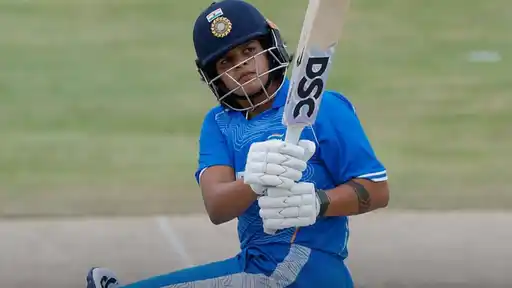
Shafali Verma celebrates 49-ball century against Bangladesh in Women's Asian Games 2026
 Cricket News1 min
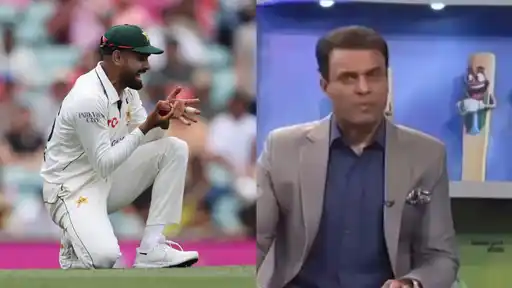
"Not a match-winner?" — Tanveer Ahmed's Babar Azam take sparks heated debate
 Cricket News1 min
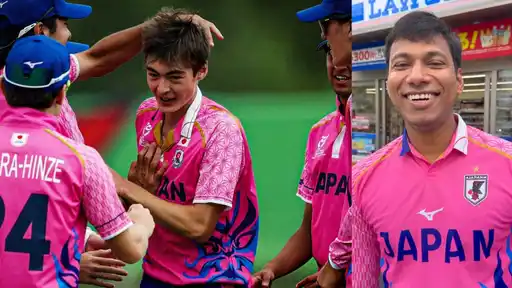
"Don't underestimate" — Bihar-born Abhishek Anand's message for India ahead of Japan clash goes viral
Web Stories
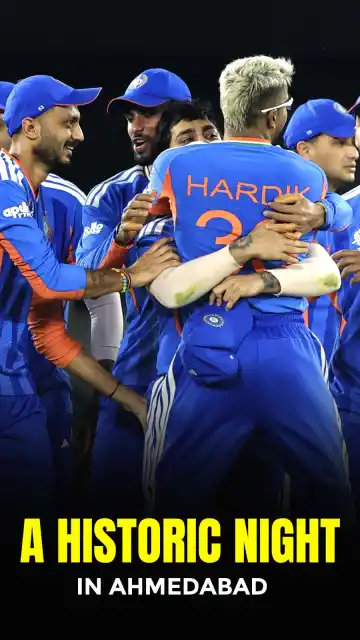
India vs New Zealand T20 World Cup 2026 Final
Sanju Samson’s 89 vs England Powers India in T20 World Cup 2026 Semifinal

Biggest Opening Partnerships in T20 World Cup Knockouts
India vs England T20 World Cup Semifinal History
New Zealand Knock Out Sri Lanka – Super 8 Match Highlights & Key Moments