Top 10 cricketers whose drug addiction & bans destroyed promising careers
From failed drug tests to long bans, these 10 cricketers lost their chance to achieve greatness in the sport.


Cricket is known as a game of skill, discipline, and dedication. Every cricketer dreams of representing their country and building a successful career. However, not every talented player reaches their full potential. For some, drug addiction, banned substances, and poor decisions ended careers that once looked very promising.
The pressure of international cricket can be difficult to handle. Some players turned to recreational drugs, while others were caught using banned performance-enhancing substances. These incidents led to suspensions, damaged reputations, and, in many cases, the end of successful cricket careers.
The World Anti-Doping Agency (WADA) and national cricket boards have strict anti-doping rules to keep the sport fair. Players who fail drug tests or violate these rules can face lengthy bans, fines, and loss of public trust. Even after returning, many struggled to regain their place in the team.
In this article, we look at 10 cricketers whose careers were seriously affected by drug addiction, failed drug tests, or doping bans. We will explore what happened, the punishments they received, and how these controversies changed their careers forever.
10. Maninder Singhi (India)
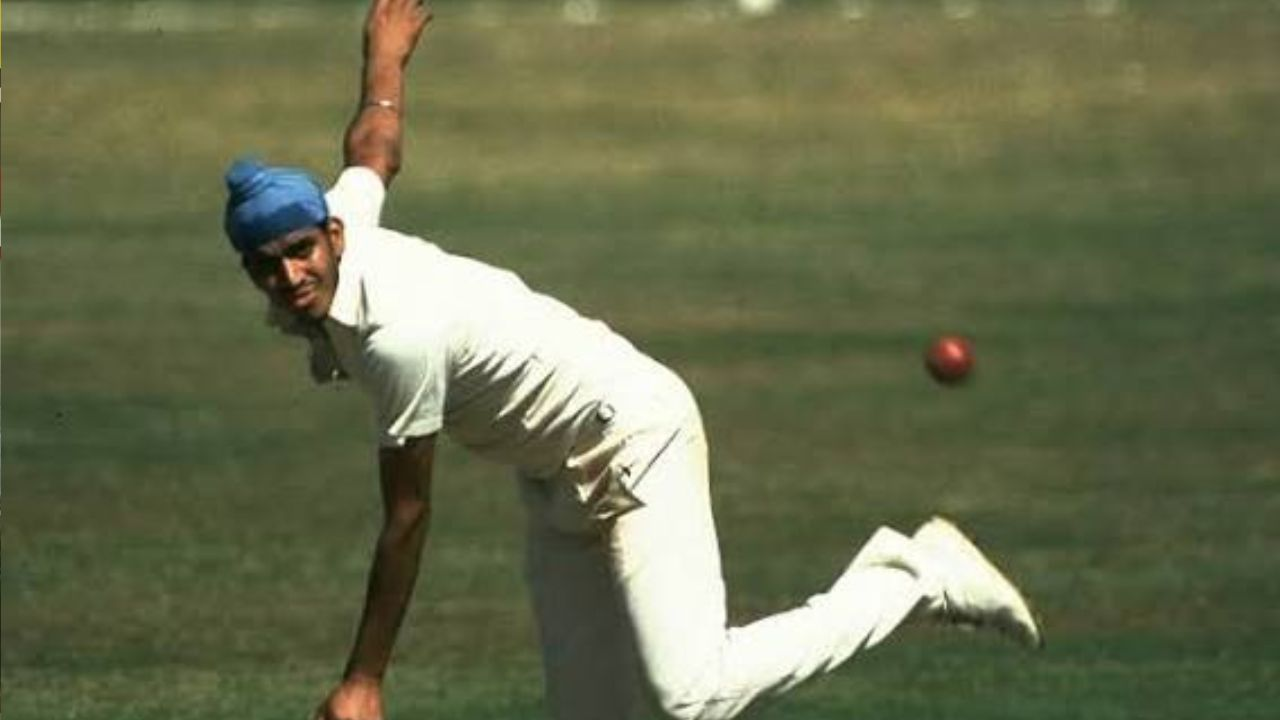
Former Indian left-arm spinner Maninder Singh was once regarded as one of India's most talented spin bowlers. Seen as the natural successor to legendary spinner Bishan Singh Bedi, he enjoyed a successful international career and was also a member of India's 1988 Asia Cup-winning team. Despite his talent, his cricket journey ended earlier than many had expected.
In May 2007, Maninder Singh made headlines after Delhi Police questioned him over the alleged possession of 1.5 grams of cocaine. According to the police, he admitted that the drug was for personal use, although he strongly denied the allegations. The case damaged his public image and became one of the biggest controversies of his life. In 2012, a court acquitted him of all charges due to lack of evidence.
See also -Top 10 Virat Kohli records that may never be broken — Which one is most unbreakable?
Just weeks after the incident, Maninder was admitted to a hospital with injuries to his wrists. His family described it as an accident, while media reports speculated about the cause. Although he was cleared in court years later, the controversy remained a major setback to his reputation and is still remembered as one of the darkest chapters of his career.
9. Dermot Reeve (England)
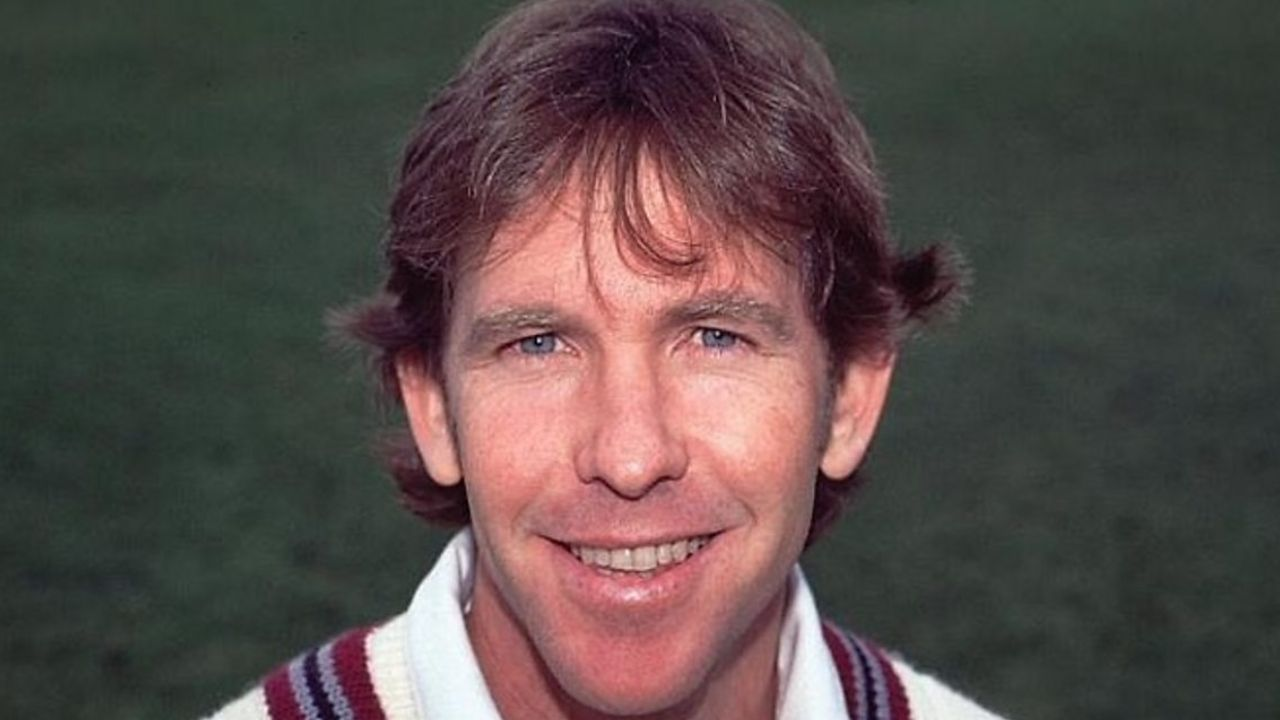
Former England all-rounder Dermot Reeve was known for his aggressive style of play and his ability to contribute with both bat and ball. He represented England in three Test matches and 29 One Day Internationals (ODIs), and was also part of the England squad that finished as runners-up at the 1992 Cricket World Cup. After retiring from cricket, he built a successful career as a television commentator.
In 2005, Reeve shocked the cricket world by admitting that he had a serious cocaine addiction. He revealed that he had used cocaine before commentating on the first Test between England and New Zealand at Lord's in 2004. He also admitted to using marijuana during his county cricket days, although he said it was only during the off-season. Following his confession, he resigned from Channel 4 after working as a commentator for five years.
Although Dermot Reeve was respected for his cricketing skills and media career, his drug addiction overshadowed many of his achievements. His honest confession brought attention to the challenges of substance abuse, but it also ended his successful broadcasting career and damaged his reputation in the cricket world.
8. Andrew Symonds (Australia)
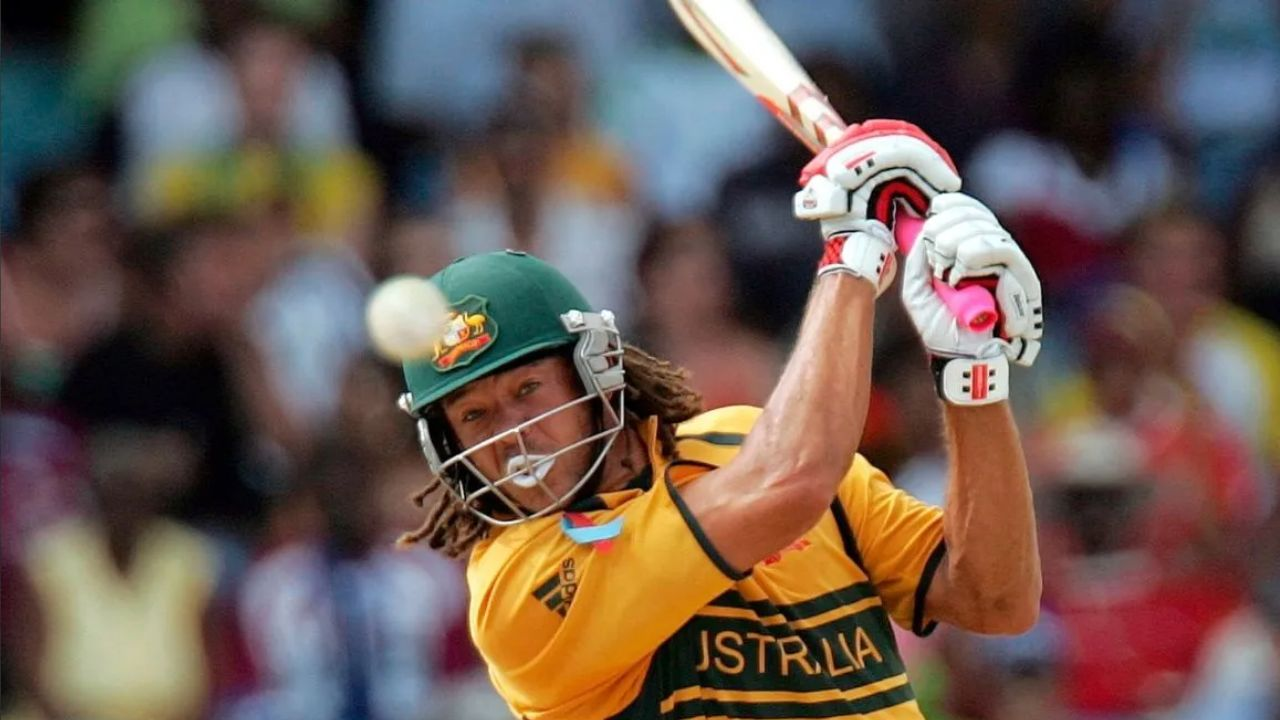
Andrew Symonds was one of Australia's most talented all-rounders and played a key role in the team's success during the 2000s. Known for his powerful batting, useful bowling, and outstanding fielding, he helped Australia win two ICC Cricket World Cups. Despite his achievements on the field, his career was often affected by off-field disciplinary issues.
Symonds openly admitted that he struggled with alcohol during his playing career. In his autobiography Roy: Going for Broke, he revealed that he turned up for Australia's 2005 NatWest Series match against Bangladesh after spending the entire night drinking at a party. He was dropped from the playing XI for the match because of his condition. Australia went on to lose the game by five wickets, with Mohammad Ashraful scoring a memorable century.
Although Andrew Symonds remained one of the most gifted cricketers of his generation, his problems with alcohol repeatedly damaged his reputation and career. His story shows how personal struggles and poor decisions can affect even the most successful athletes and leave a lasting impact on their legacy.
7. Shoaib Akhtar & Mohammad Asif (Pakistan)
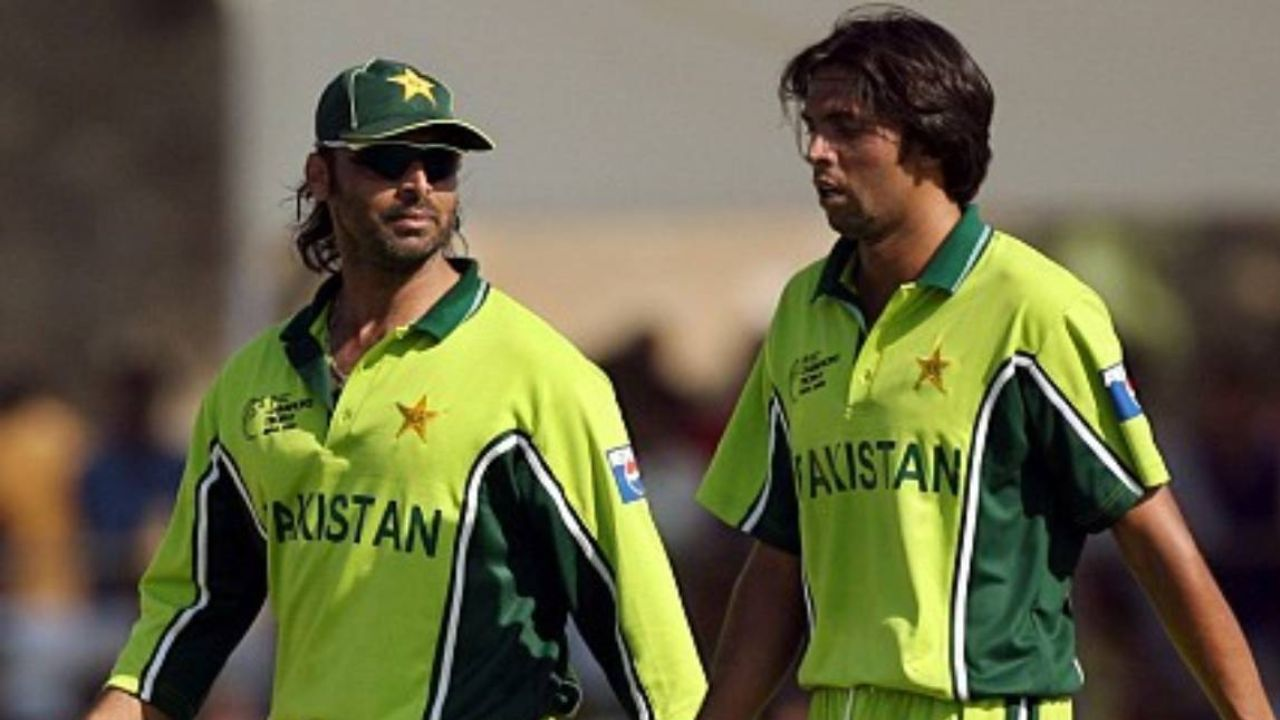
Shoaib Akhtar and Mohammad Asif were two of Pakistan's most talented fast bowlers. Both played important roles for the national team and were known for their pace, skill, and match-winning performances. However, their careers were affected by doping controversies and off-field issues that damaged their reputations.
In 2006, just before the ICC Champions Trophy, both bowlers tested positive for the banned anabolic steroid nandrolone. Shoaib Akhtar was initially given a two-year ban, while Mohammad Asif received a one-year suspension. Both players appealed the decision, and the bans were later overturned. The World Anti-Doping Agency (WADA) challenged the verdict, but the case was eventually dismissed. Akhtar claimed that his positive test may have been caused by dietary supplements and herbal medicines, but he could not prove it.
See also -Top 5 players with most centuries in England in ODIs ft Rohit Sharma
Mohammad Asif's problems did not end there. In 2008, he was detained at Dubai International Airport after authorities found a banned substance in his possession. Later that year, he also tested positive for a banned substance during the Indian Premier League (IPL). Although both bowlers had the talent to become all-time greats, repeated controversies and disciplinary issues prevented them from reaching their full potential.
6. Upul Tharanga (Sri Lanka)
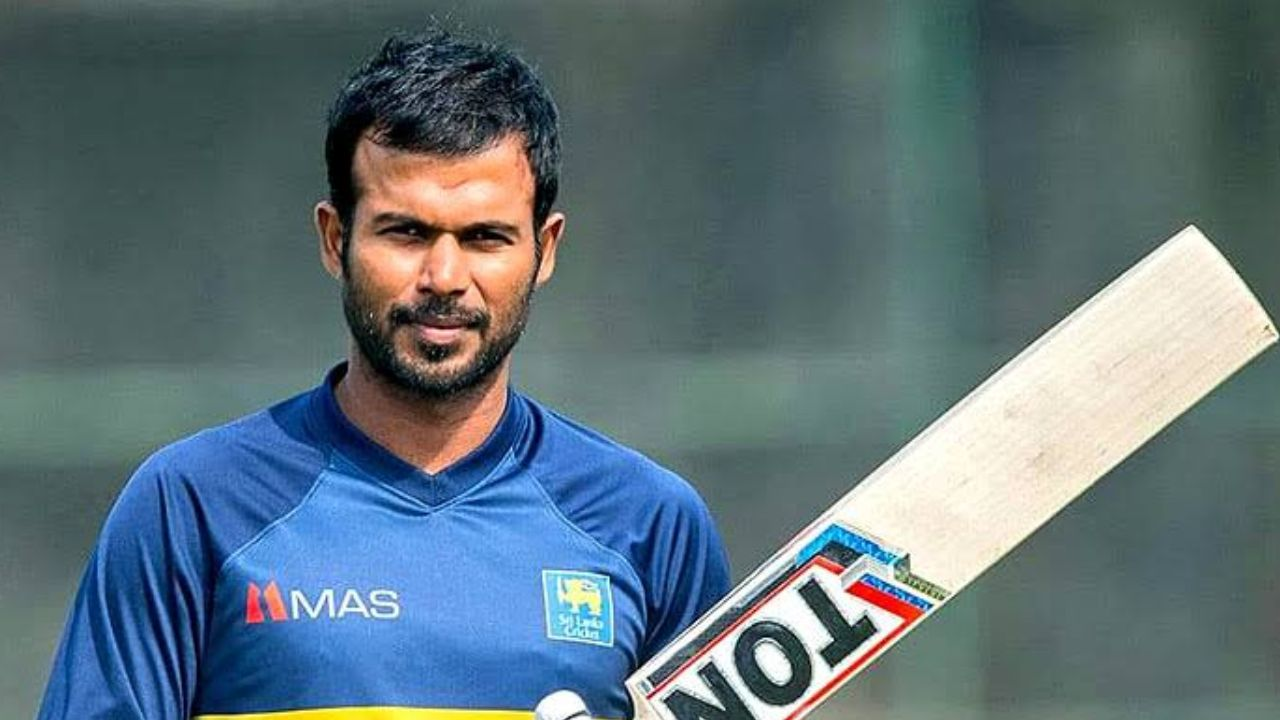
Upul Tharanga was one of Sri Lanka's most reliable opening batters and represented his country in all three formats of the game. He played an important role in Sri Lanka's success during the late 2000s and early 2010s. However, his career faced a setback after he became the first Sri Lankan cricketer to receive a ban for a doping-related offence.
During the 2011 ICC Cricket World Cup, Tharanga tested positive for metabolites of the banned glucocorticosteroids prednisone and prednisolone. He admitted that he had taken a herbal medicine to reduce the pain from a long-standing shoulder injury. The anti-doping tribunal accepted that he had no intention of improving his performance, but ruled that he had failed to follow the strict anti-doping rules expected of an international cricketer.
As a result, Upul Tharanga received a three-month ban from all cricket-related activities until August 2011. Although he returned to international cricket after serving his suspension, the incident remains one of the biggest controversies of his career and serves as a reminder of the importance of following anti-doping regulations.
5. Ed Giddins (England)
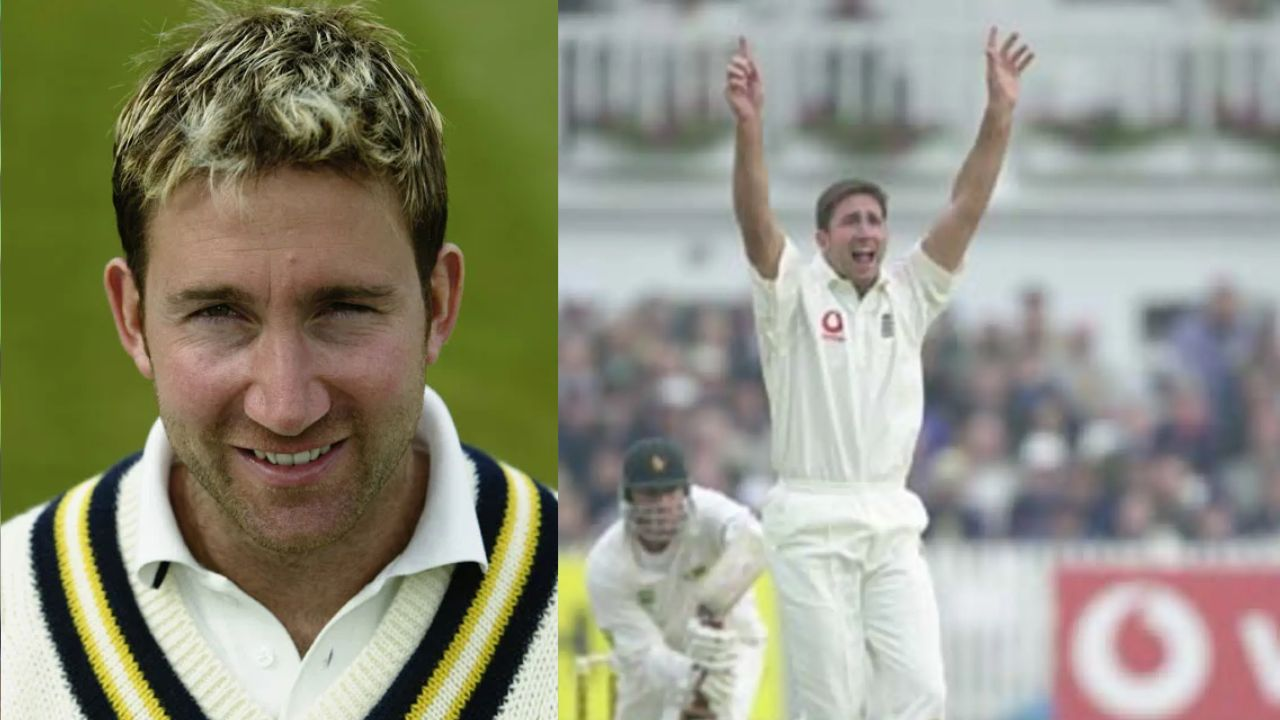
Former England fast bowler Ed Giddins was regarded as a talented cricketer during the 1990s. He played county cricket for Sussex, Warwickshire, Surrey, and Hampshire before representing England in four Test matches between 1999 and 2000. However, his career was repeatedly affected by disciplinary issues and controversies.
In 1996, Giddins tested positive for cocaine after Sussex's County Championship match against Kent. A second test also confirmed the result. He claimed that he had taken the drug by mistake, but the Test and County Cricket Board rejected his explanation and banned him from cricket for 20 months for bringing the game into disrepute. The incident also led to his departure from Sussex.
Giddins returned to cricket after serving his ban, but more controversy followed. In 2004, he received a five-year ban after being found guilty of placing a bet on a match involving his own county team. Although he denied the charge, the ban further damaged his career and reputation, making him one of England's most controversial cricketers.
4. Stephen Fleming (New Zealand)
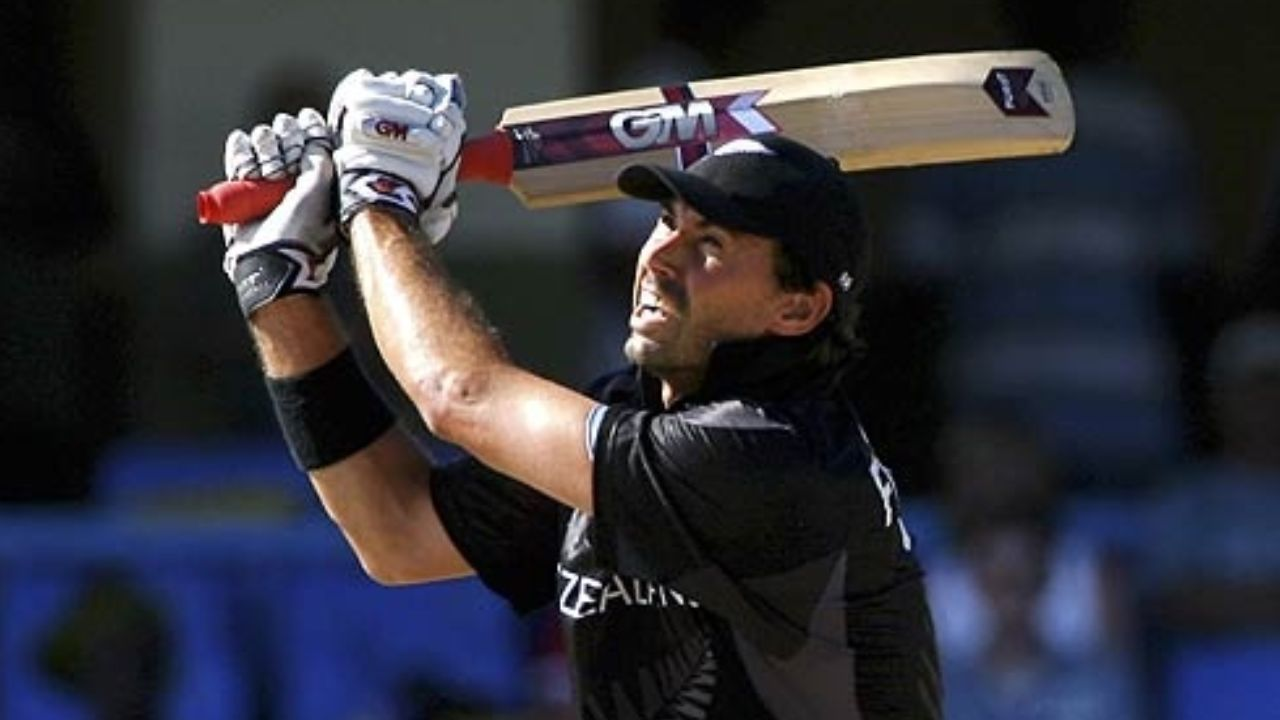
Stephen Fleming is regarded as one of New Zealand's greatest captains and one of the most respected leaders in cricket. He enjoyed a successful international career and later became a highly successful coach, leading the Chennai Super Kings (CSK) to multiple IPL titles. Despite his outstanding achievements, he was once involved in a drug-related controversy early in his career.
During the 1993–94 season, Fleming admitted to smoking marijuana for recreational purposes along with fellow New Zealand cricketers Dion Nash and Matthew Hart. The incident did not involve performance-enhancing drugs, but it still violated cricket's disciplinary standards. As a result, the three players were fined and suspended for three matches, forcing them to miss the ODI series against the West Indies.
Although the controversy briefly affected his reputation, Stephen Fleming recovered and went on to become one of New Zealand's most successful cricketers. He later revealed that the incident also cost him sponsorship deals and significant legal expenses. Despite this setback, he rebuilt his career and remains one of the most respected figures in world cricket.
3. David Murray (West Indies)
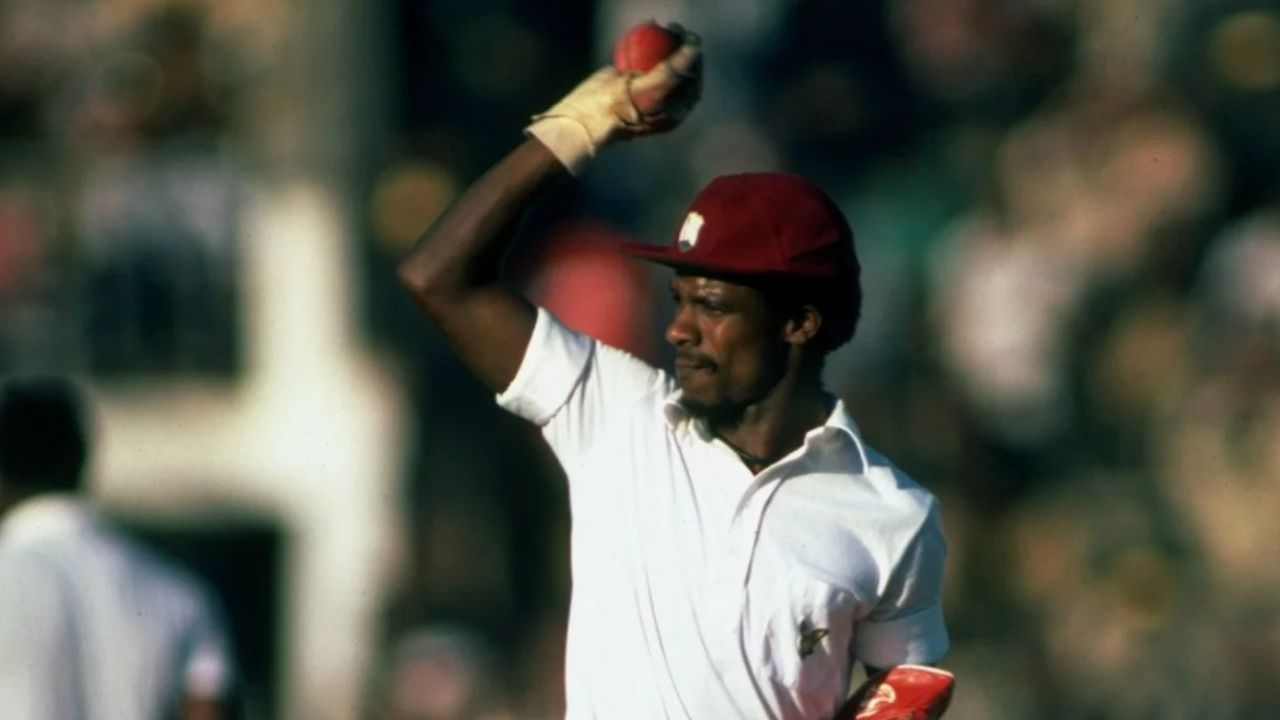
David Murray was a talented wicketkeeper who represented the West Indies in the 1970s and early 1980s. He was the son of legendary West Indies batter Sir Everton Weekes and was considered one of the most promising wicketkeepers of his time. However, his cricket career was badly affected by drug addiction and off-field controversies.
Murray started smoking at a young age before becoming addicted to marijuana and later cocaine. His addiction affected his fitness, form, and discipline, leading to his replacement in the West Indies team. In 1982, he also took part in the rebel tour of apartheid-era South Africa, which resulted in a lifetime ban from West Indies cricket.
After his cricket career ended, David Murray faced serious financial and personal problems. He later admitted that his addiction had ruined his life and career. In order to survive, he reportedly sold drugs to tourists on the beaches of Barbados. His story remains one of the saddest examples of how drug addiction and poor decisions can destroy a promising cricket career.
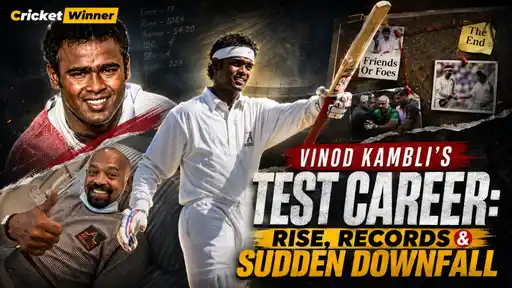
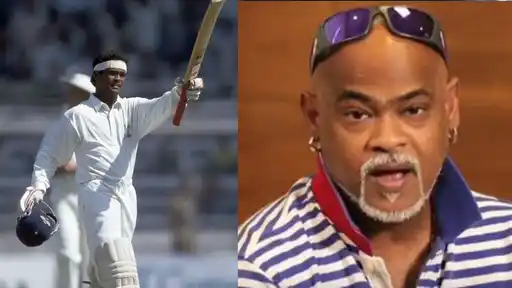
2. Vinod Kambli (India)
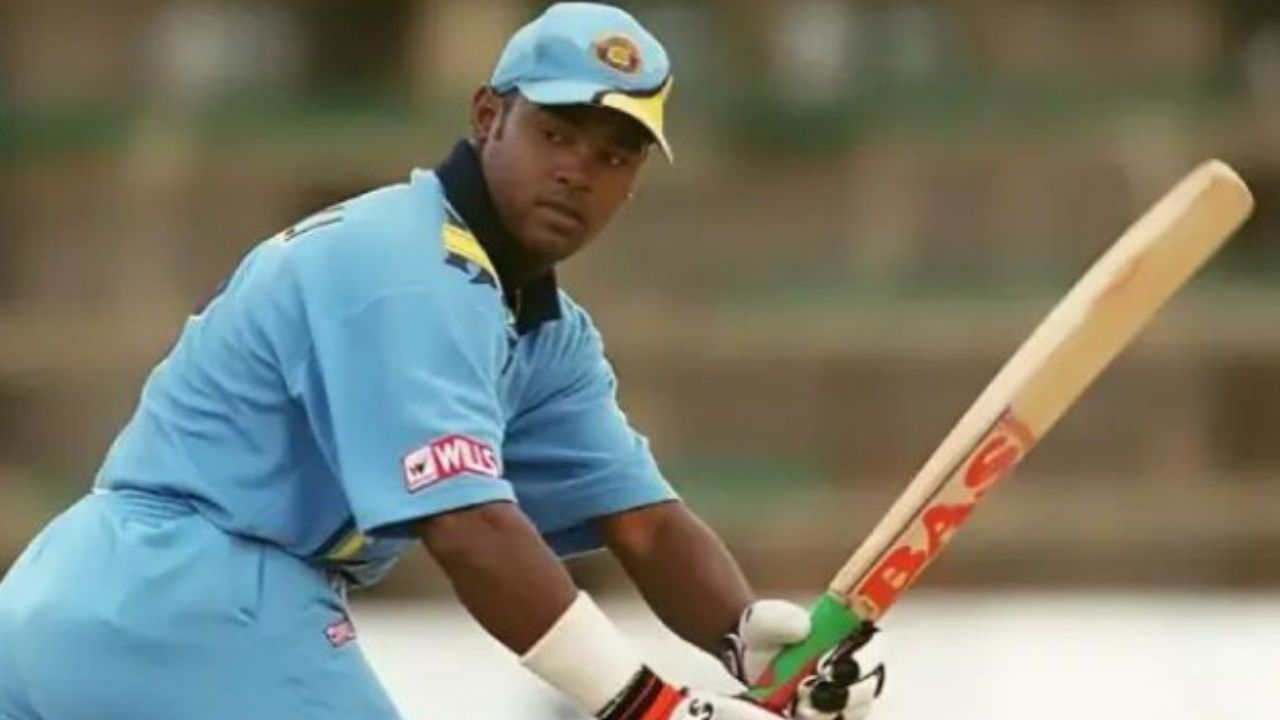
Vinod Kambli was one of India's most talented batters during the 1990s. He made a brilliant start to his Test career and was considered one of the brightest young stars in Indian cricket. Kambli also represented India in One Day Internationals (ODIs) and was part of the squad that finished as runners-up at the 2000 ICC Champions Trophy.
Despite his early success, Kambli's career declined after reaching fame. He has openly spoken about his long battle with alcohol addiction and admitted that he visited a rehabilitation centre 14 times in an effort to recover. His personal struggles affected both his cricket career and his life after retirement.
Although Vinod Kambli remains one of the most naturally gifted batters India has produced, his career never reached the heights many expected. His story is a reminder that talent alone is not enough, and that personal challenges can have a lasting impact on a sportsperson's career.
1. Shane Warne (Australia)
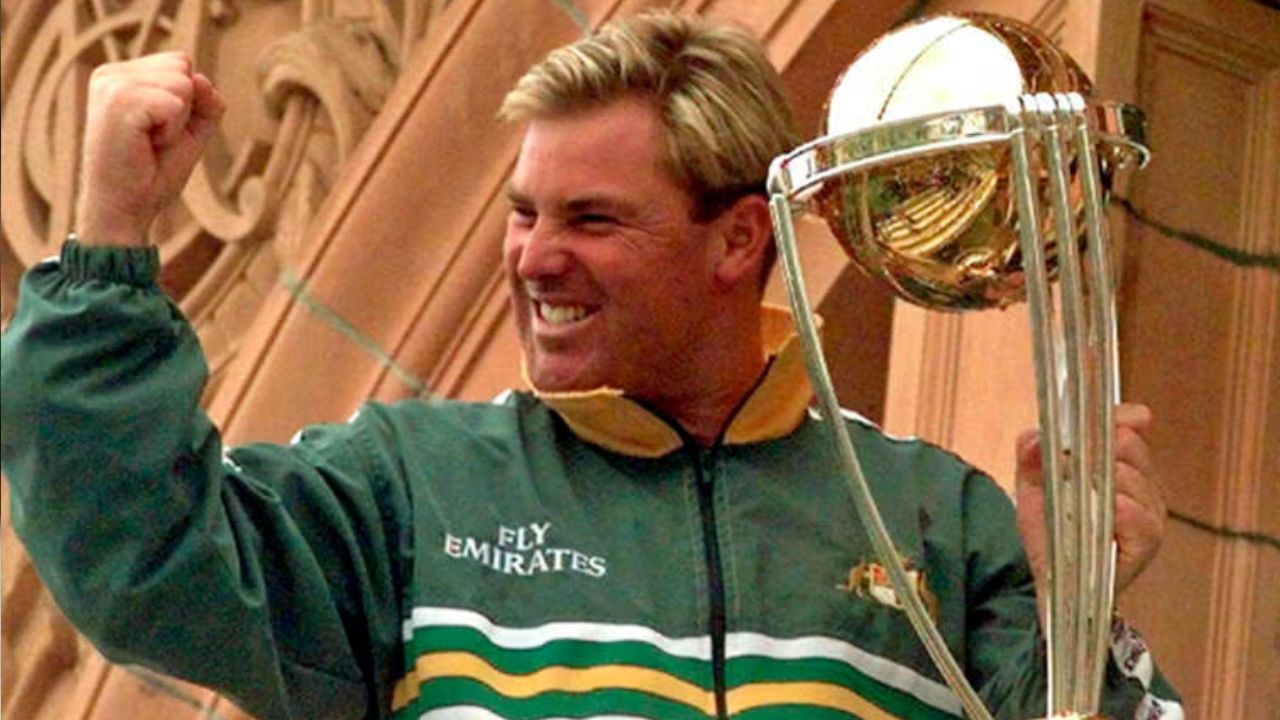
Shane Warne was one of the greatest leg-spinners in cricket history and a key member of Australia's dominant team during the 1990s and 2000s. He won countless matches with his brilliant bowling and finished his career as one of the highest wicket-takers in Test cricket. Despite his incredible achievements, his career was also marked by several controversies.
Just before the 2003 ICC Cricket World Cup, Warne tested positive for a banned diuretic and was sent home from the tournament. He said the tablet had been given to him by his mother to help him lose weight before television appearances and insisted that he had no intention of improving his performance. However, Cricket Australia found him guilty of breaching the anti-doping rules and handed him a one-year ban.
Warne returned to international cricket in 2004 after serving his suspension and continued to play at the highest level until his retirement in 2007. Although the ban remains one of the biggest controversies of his career, it did not stop him from cementing his legacy as one of the greatest cricketers of all time.
Notable Mentions
Ian Botham (England)
England legend Ian Botham received a 63-day suspension after publicly admitting that he had used cannabis. Although he returned to cricket after serving the ban, the incident became one of the biggest controversies of his career.
Pradeep Sangwan (India)
Pradeep Sangwan was one of India's most promising left-arm fast bowlers and played a key role in the country's 2008 ICC Under-19 World Cup-winning campaign. In 2013, he tested positive for the banned anabolic steroid stanozolol and received an 18-month ban. Sangwan said he had unknowingly taken the substance after his gym instructor gave it to him as a fat-loss supplement.
Abdur Rehman (Pakistan)
Former Pakistan spinner Abdur Rehman was suspended for 12 weeks by the England and Wales Cricket Board (ECB) after testing positive for cannabis while playing county cricket for Somerset in 2012. He later apologized for his mistake and promised to return stronger after serving the ban.
Raza Hasan (Pakistan)
Raza Hasan was regarded as one of Pakistan's brightest young spin bowlers after impressing in international cricket. However, his career suffered a major setback when he tested positive for a banned substance during a domestic tournament and received a two-year suspension.
South African Players (West Indies Tour, 2001)
Several South African players, including Herschelle Gibbs, Andre Nel, Justin Kemp, Paul Adams, and Roger Telemachus, were fined and officially reprimanded after admitting to smoking marijuana during their tour of the West Indies.
Pakistan Team Incident (1993)
Pakistan stars Wasim Akram, Waqar Younis, Aaqib Javed, and Mushtaq Ahmed were detained by police in Grenada during the West Indies tour over possession allegations. However, the charges were later dropped, and the players continued the tour without further action.
New Zealand Players (1994)
Stephen Fleming, Dion Nash, and Matthew Hart admitted to smoking cannabis during a team gathering in South Africa. The New Zealand Cricket Board suspended the trio for three matches, but all three later returned to international cricket.
Conclusion
Cricket has produced many legendary players, but talent alone is not enough to build a successful career. Drug addiction, the use of banned substances, and poor personal decisions have ended or damaged the careers of several promising cricketers. These incidents also show how strict anti-doping rules have become in modern sport.
Every player is responsible for following the rules and protecting the spirit of the game. While some cricketers managed to return after serving their bans, others never recovered from the damage to their careers and reputations. Their stories serve as important lessons for young athletes about discipline, responsibility, and making the right choices on and off the field.
Frequently Asked Questions
Some well-known cricketers who have faced bans include Shane Warne, Shoaib Akhtar, Mohammad Asif, Upul Tharanga, Ed Giddins, and Pradeep Sangwan.
Former India batter Vinod Kambli has openly spoken about his battle with alcohol addiction. Andrew Symonds also admitted that alcohol affected parts of his cricket career.
A cricketer who fails a drug test can face suspension, fines, loss of contracts, and damage to their reputation, depending on the anti-doping rules and the nature of the violation.
Shane Warne is widely regarded as the most famous cricketer to receive a doping ban after testing positive for a banned diuretic before the 2003 ICC Cricket World Cup.
No. Some cases involve performance-enhancing drugs, while others involve recreational drugs or medicines taken without proper approval. However, players are still responsible for anything found in their system under anti-doping regulations.
About the Author

A Madridista at heart, football is my first love, while cricket writing is my passion. Although Real Madrid sparked my love for football, Virat Kohli introduced me to the world of cricket. With over three years of journalism experience, I have written for Sportskeeda, Cricreads, and Athlete Fortune. I currently write for Cricket Winner, covering cricket news, match analysis, player stories, and statistics.
Watch Now
 Cricket News1 min
Rohit Sharma’s dance video with Karisma Kapoor on reality show goes viral
 Cricket News1 min
Kagiso Rabada bowls 155 kmph to Travis Head during SA vs AUS 2nd Test
 Cricket News1 min
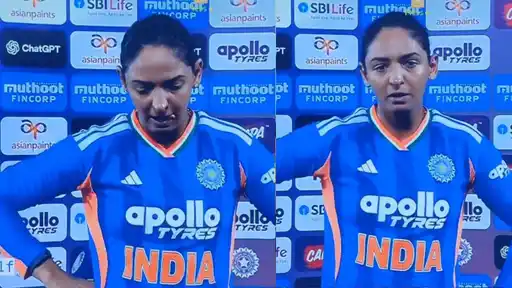
“I wanted to bat as long as possible” – Harmanpreet Kaur breaks down after blazing 91 vs Zimbabwe following captaincy change
Web Stories
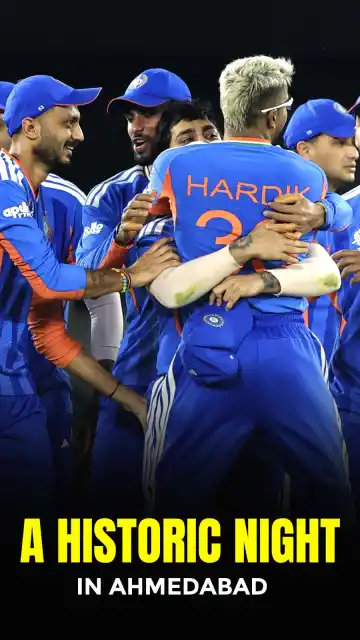
India vs New Zealand T20 World Cup 2026 Final
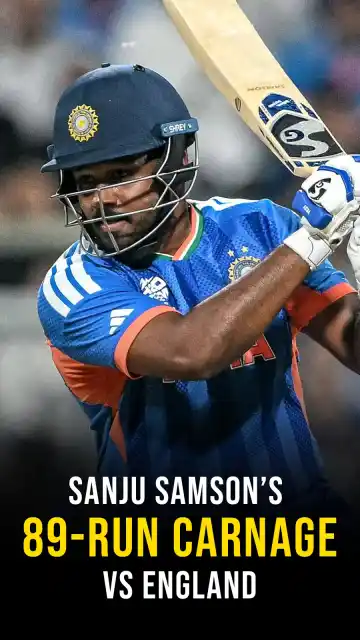
Sanju Samson’s 89 vs England Powers India in T20 World Cup 2026 Semifinal

Biggest Opening Partnerships in T20 World Cup Knockouts

India vs England T20 World Cup Semifinal History
New Zealand Knock Out Sri Lanka – Super 8 Match Highlights & Key Moments