Top 10 biggest match-fixing scandals in cricket history: Which one shocked the fans the most?
From Hansie Cronje's confession to the 2010 spot-fixing scandal, cricket has seen some of sport's biggest controversies. Here's a ranked look at the top 10 match-fixing scandals in the game's history


Cricket has witnessed some of the greatest and most memorable sporting moments in history. But it has also been rocked by the dark phases of the game, which include scandals that shook the foundations of the game. This includes match-fixing incidents, where players from India, Pakistan, England, and others have been involved at some stage.
Match-fixing is the deliberate manipulation of a match or specific events for financial gain and has repeatedly made headlines, involving players, bookmakers, and other members who remain connected to the sport. Some of these scandals were damaging because of their involvement in high-profile international games.
The allegations of fixing have emerged across eras and formats, from Tests and ODIs to the modern-age T20 leagues of the game. Each of these cases raised several serious questions about player conduct and the influence of illegal batting.
These incidents shocked the fans on many occasions because multiple players involved in the incidents were trusted figures who built their successful careers on the field. For the fans and supporters of the game, discovering the fact that the genuine contest may actually have been manipulated can spoil their excitement and celebration of the game and turn it into disappointment and disbelief.
The full list: Ranking cricket's 10 biggest match-fixing scandals, from local leagues to World Cups
Over the years, the authorities of the game have responded with many investigations, bans, and stricter anti-corruption issues to protect the game. Despite these factors, the scandals remain a very important part of the game’s history because they expose the vulnerabilities and highlight the constant battle against the corruption of the contest.
From the Hansie Cronje scandal to the controversial fixing cases, including Mohammad Amir getting banned from Pakistan’s cricket in 2010, here is a closer look at the top 10 biggest match-fixing scandals in cricketing history as the question continues to spark among the fans- which scandal shocked the cricketing world the most?
#10 Maurice Odumbe fixing corruption case in 2004-
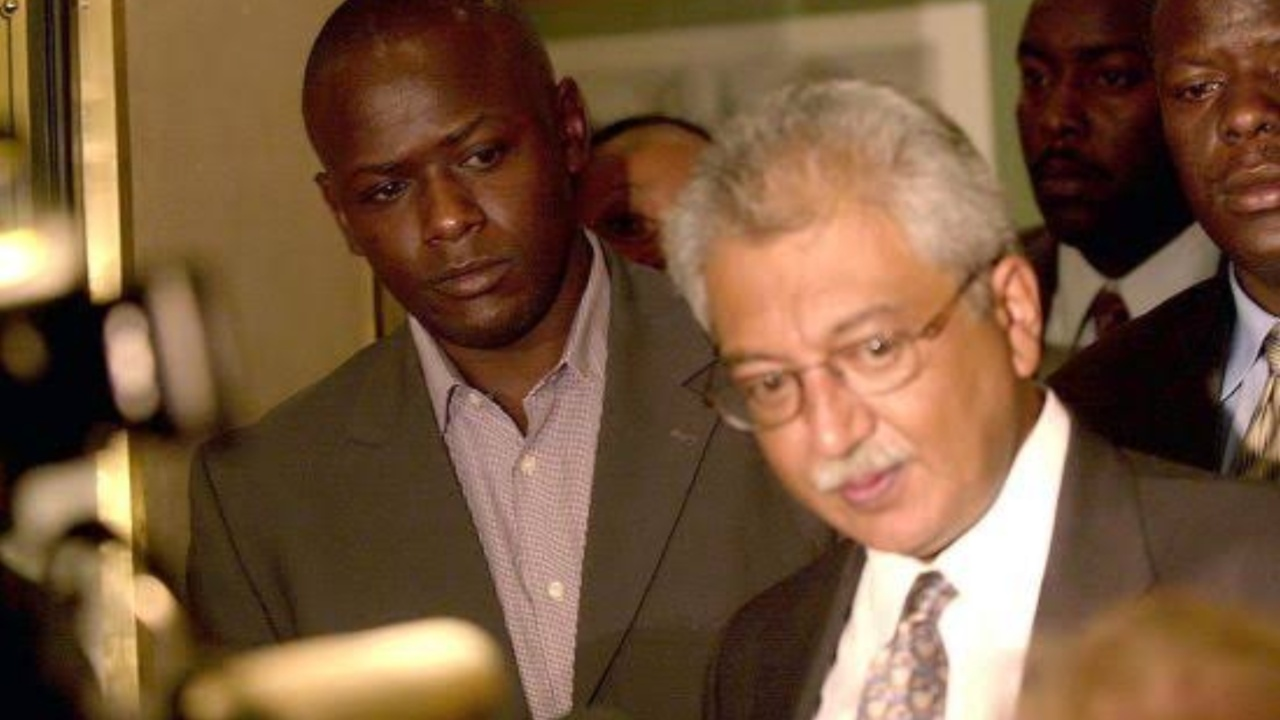
Maurice Odumbe, the former Kenya captain, who played 61 ODIs in a decent career for the international side, was involved in one of Africa’s major corruption scandals in 2004. The ICC investigated allegations that Odumbe had contact with the Indian booker, Jagdish Sodha, in which he accepted money to make attempts to influence the results of the game.
See Also: List of batters who've scored centuries in both innings of a Test vs India ft. Sonal Dinusha
The ICC, after Odumbe, examined the relationship with Sodha, including alleged payments and trips to India. The investigation found the player guilty of receiving money and taking several advantages. In 2004, he was handed a five-year ban from the game, as the case was a major blow to Kenyan cricket.
#9 Pakistan Super League (PSL) 2017 spot-fixing scandal-
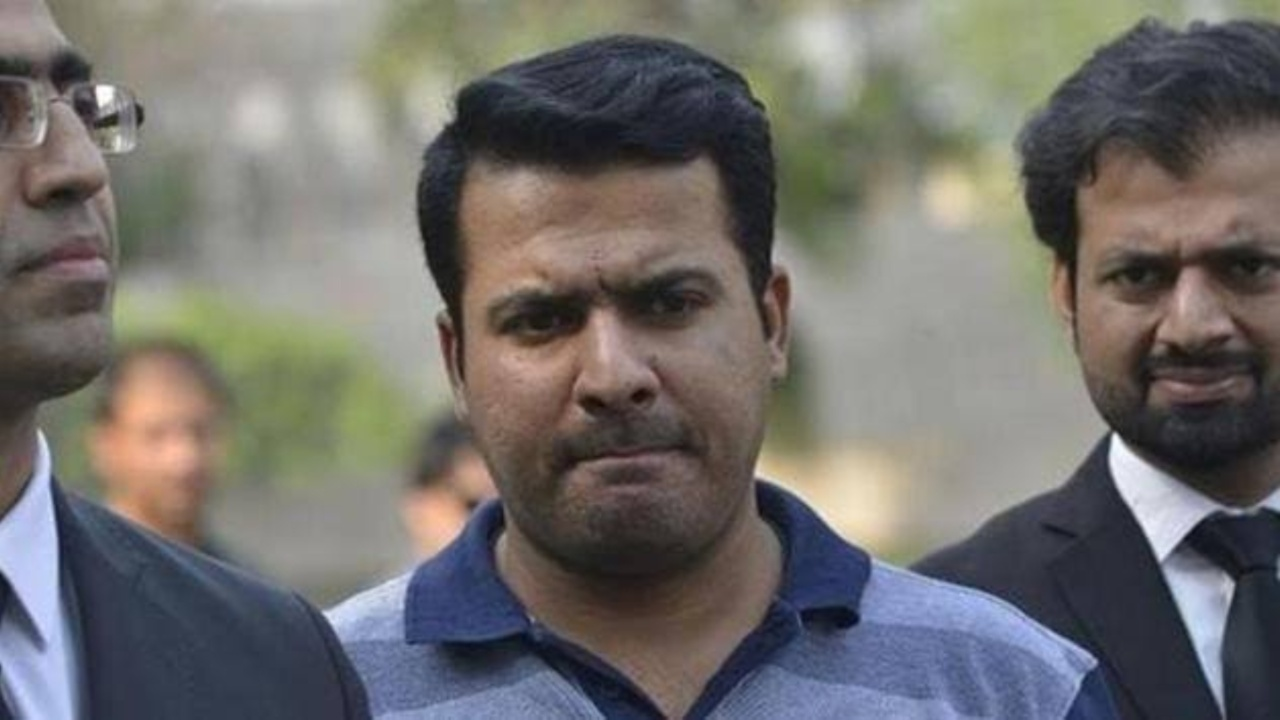
The Pakistan Super League (PSL) 2017 saw the spot-fixing scandal, which rocked the second edition of the event after the opening match between Islamabad United and Peshawar Zalmi in Dubai. Their former opening batter, Sharjeel Khan, was accused of agreeing to deliberately play a couple of dot deliveries, which was related to the betting plan.
The ICC reckons that Khalid Latif and Sharjeel connected with the fixer, as the board suspended many players after the investigation, which included Nasir Jamshed, Mohammad Irfan, Shahzaib Hasan, Sharjeel, Latif, and Mohammad Nawaz. Sharjeel was eventually banned for five years, while Latif, along with the ban, was fined PKR 1 million, as the scandal became a dark phase of franchise cricket.
#8 Bangladesh Premier League (BPL) 2013 fixing scandal-
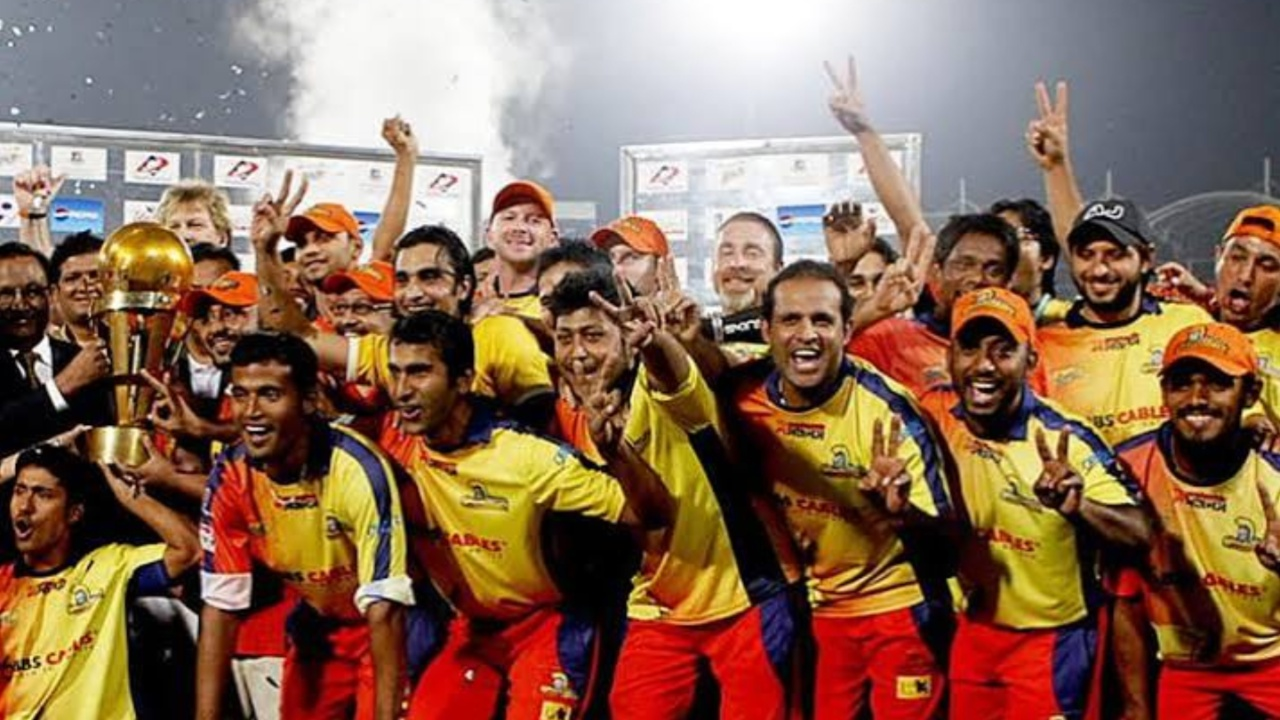
The Bangladesh Premier League (BPL) 2013 fixing scandal became one of the darkest episodes in the board's history. It was centred around Dhaka Gladiators, with allegations of match-fixing and spot-fixing as the ICC’s Anti-Corruption and Security Unit (ACSU), hired by the BCB, investigated the incidents that involved the franchise.
The former captain, Mohammad Ashraful, became a main figure in the case after he admitted to the corruption and cooperated with the investigators. In August 2013, the ICC revealed that nine individuals were charged, of whom seven were charged with fixing, while two failed to report the corrupt approaches.
See Also: Names of Pakistan bowlers on the Lord's honours board in Tests
The scandal damaged the fame of BPL and raised concerns about his future, as it highlights the need for players and officials to report the approaches and protect the integrity of the game.
#7 Heath Streak corruption case in 2021-
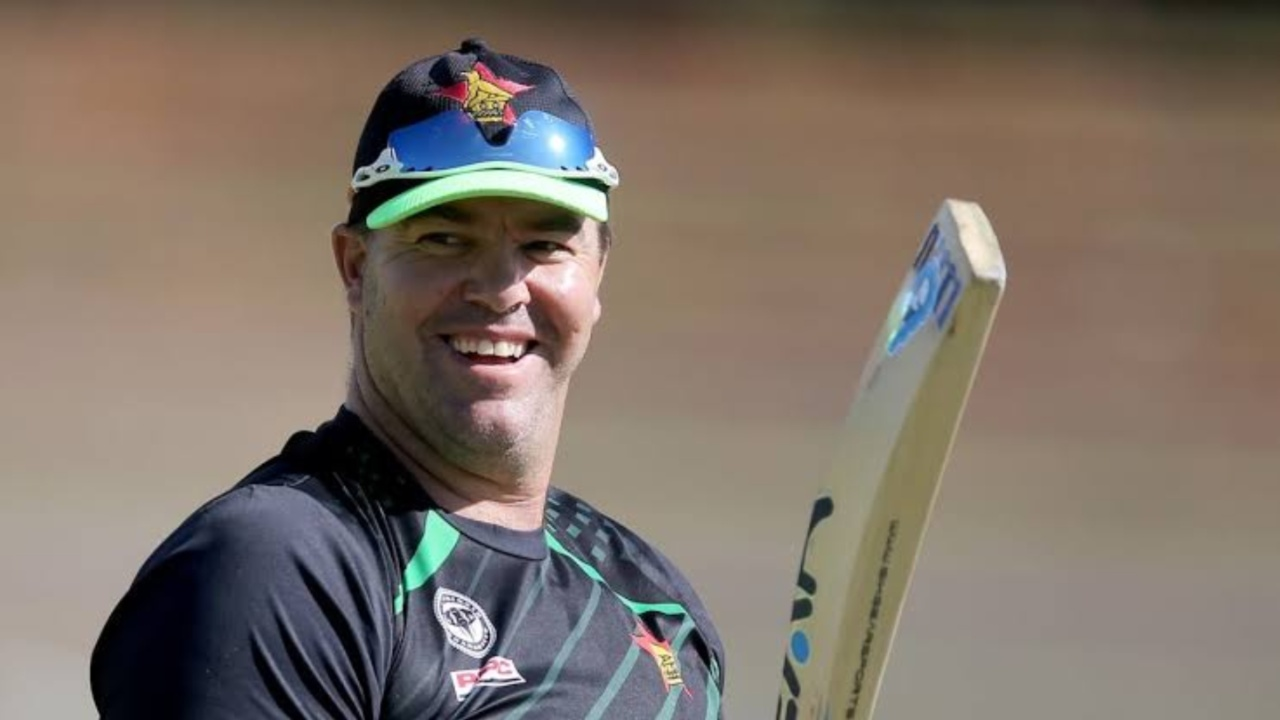
The former Zimbabwe captain, Herath Streak, was banned for eight years after he admitted to ICC anti-corruption breaches. The case involved the disclosure of information that could have been used for betting purposes. It came to light in 2021 while the former all-rounder deleted the messages and tried to influence what was said during the investigation.
The ICC stressed that Streak received anti-corruption education and understood his responsibilities. The eight-year ban underlined the seriousness of the corruption-related offences and voiced a stern warning to the officials and the players, besides maintaining cricket’s integrity.
#6 Lou Vincent & New Zealand domestic cricket scandal-

The involvement of Lou Vincent in the match-fixing crisis became New Zealand’s biggest corruption scandal. The former batter, who featured in 134 international games for the Kiwis, including 102 ODIs, admitted accepting money to manipulate the games and later cooperated with the Anti-Corruption Unit of the ICC. The reports alleged corruption involving the Auckland Aces matches.
Vincent’s admissions covered the games in England, with the investigators alleging fixing and spot-fixing between 2008 and 2012. In 2014, he pleaded guilty to 19 breaches of ECB’s corruption rules and received a ban from the game. It shocked the NZC so much that his lifetime ban, in 2023, allowed involvement in the domestic or school cricket level.
#5 Salim Malik match-fixing scandal in 2000-
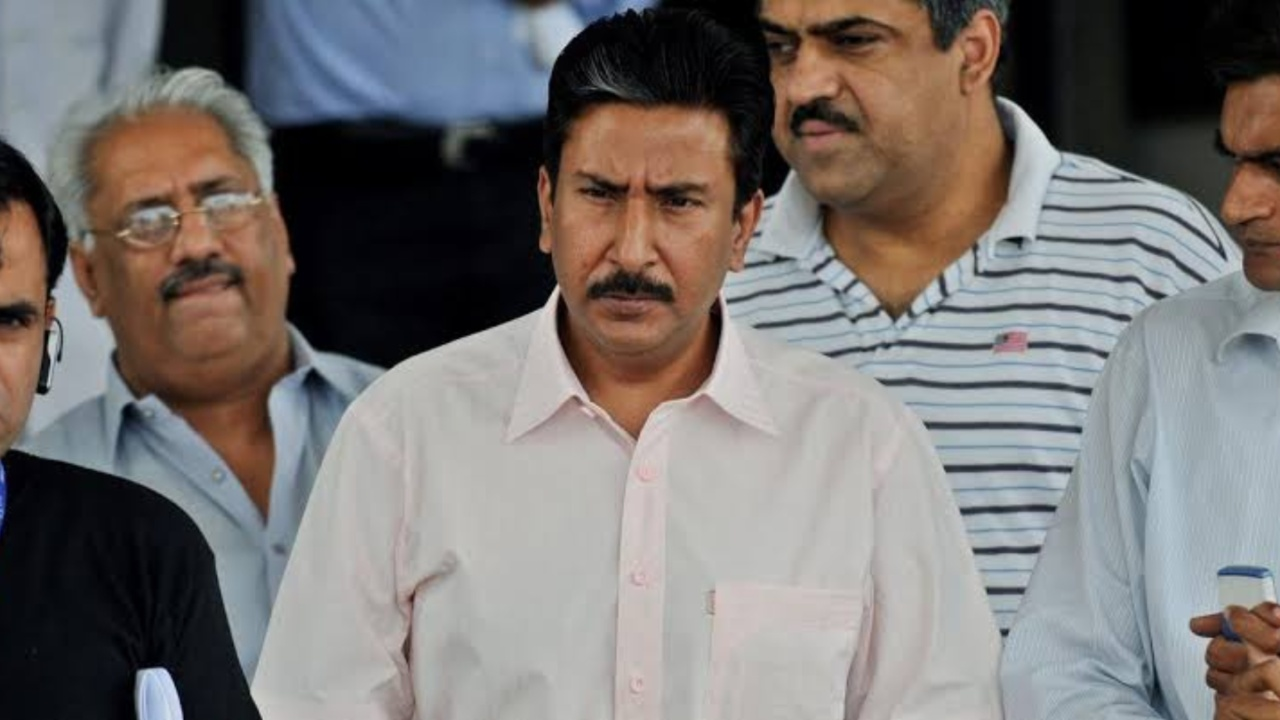
The former Pakistan captain, Salim Malik, was at the centre of the match-fixing scandal in the 1990s. The allegations were raised when the former Australian players, the late Shane Warne, Mark Waugh, and Tim May, accused Malik of offering them a massive sum of money to underperform during Australia’s 1994 tour of Pakistan.
See Also: List of Indian bowlers who have taken hat-tricks in international cricket
An inquiry led by Justice Malik Mohammad Qayyum investigated the allegations. In 2000, the commission found the player guilty of match-fixing and recommended a life ban, along with a fine of PKR 1 million. Malik challenged the punishment, and in October 2008, a Lahore civil court lifted his ban. But the case remains a landmark episode in cricket’s battle.
#4 Indian match-fixing scandal-
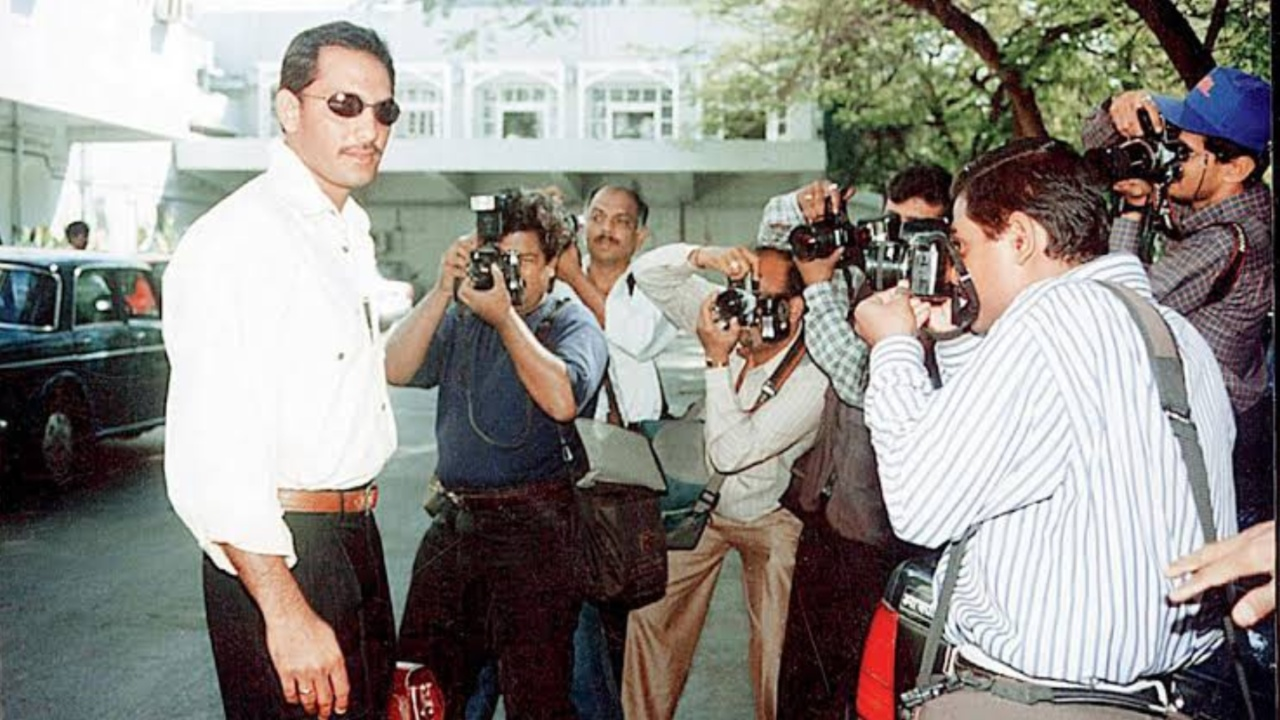
The Indian match-fixing scandal in 2000 became one of the biggest corruption controversies in cricket history. The scandal intensified the investigations into the former captain of South Africa, Hansie Cronje’s involvement with the bookmakers, which prompted the Indian government to order a CBI inquiry.
Five Indian players, Mohammad Azharuddin, Ajay Jadeja, Manoj Prabhakar, Ajay Sharma and Nayan Mongia, were named in the CBI report in October 2000, in connection with the match-fixing or related allegations. The Board of Control for Cricket in India (BCCI) imposed a life ban on Azharuddin and five-year bans on Jadeja, Prabhakar, and Sharma, while Mongia was exonerated.
#3 IPL spot-fixing scandal in 2013-
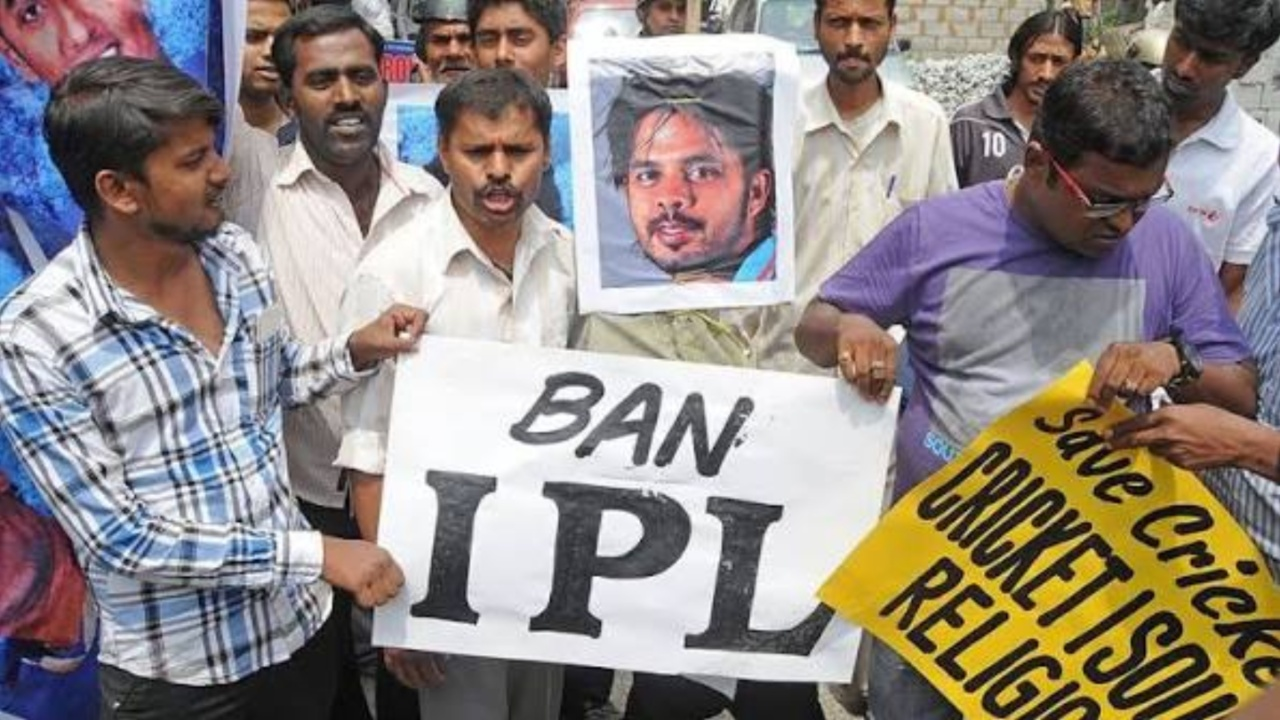
The Indian Premier League (IPL) 2013 spot-fixing became one of the biggest controversies in the history of the tournament. The Rajasthan Royals (RR) players, S. Sreesanth, Ajit Chandila, and Ankeet Chavan, were arrested in May 2013 after being accused of manipulating specific events during the match for betting purposes.
The scandal widened when the Chennai Super Kings (CSK) team principal, Gurunath Meiyappan, and the Rajasthan Royals (RR) co-owner, Raj Kundra, were investigated for betting violations. The Supreme Court’s Lodha committee later found Kundra and Meiyappan guilty of the misconduct and put a two-year suspension on CSK and RR, while the three players were handed bans by the BCCI.
#2 Pakistan spot-fixing scandal in 2010-
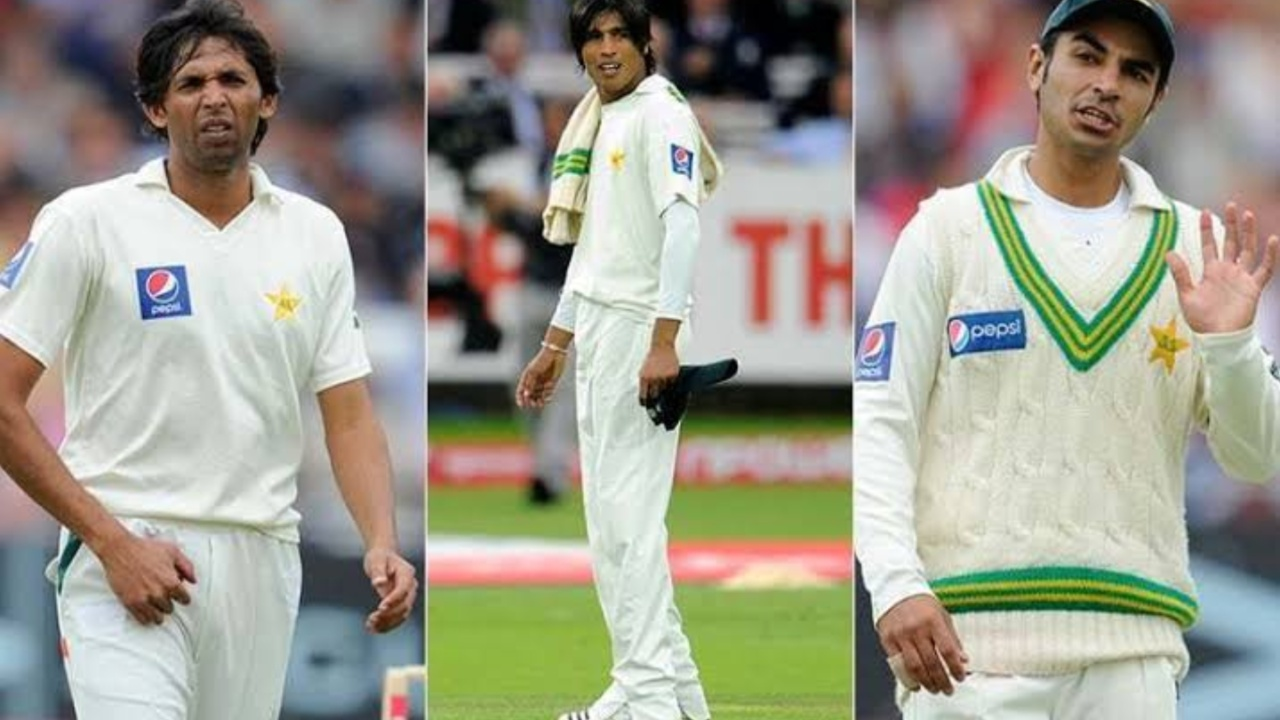
Pakistan’s spot-fixing scandal in 2010 became one of the most renowned corruption cases in history. During the Test tour of England, allegations emerged that captain Salman Butt and fast bowlers Mohammad Asif and Mohammad Amir had agreed to deliberately bowl no-balls at predetermined moments of the Test match at Lord’s.
See Also: KL Rahul's luxury car collection: Every luxury ride in his garage, from Lamborghini to Aston Martin
The scandal emerged through a sting operation involving sports agent Mazher Majeed, who was recorded discussing the arrangement. The ICC, after investigation, found all three players guilty. Butt received a 10-year ban, with five years suspended. Asif was banned for seven years, with two suspended, while Amir received a five-year ban. The players received prison sentences.
#1 Hansie Cronje match-fixing scandal in 2000-
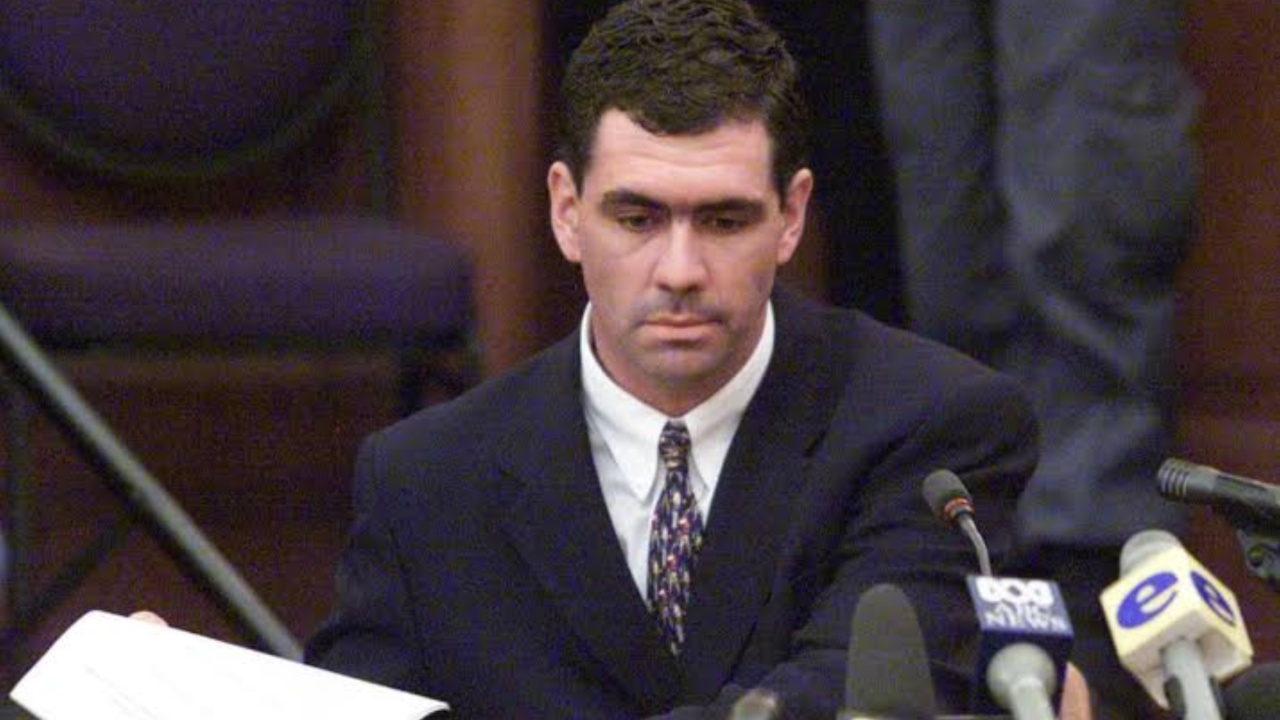
The former South African captain, Hansie Cronje, became the central figure in one of the most shocking match-fixing scandals. In April 2000, the Delhi Police disclosed the recorded conversations between Cronje and an Indian bookmaker, which triggered an investigation into his dealings. He initially denied the allegations but admitted the offence later on.
Cronje confessed that he had accepted the substantial payments from the bookmakers and approached the teammates Henry Williams and Herschelle Gibbs about underperforming in an ODI in India. In October 2000, the United Cricket Board of South Africa put a ban on the player as it became a defining moment of the game’s fight against corruption.
Top 10 biggest match-fixing scandals in cricket history- FAQs
Frequently Asked Questions
The three Pakistan players- Mohammad Asif, Mohammad Amir, and Salman Butt- were found guilty of being involved in the spot-fixing scandal during the 2010 Test match between Pakistan and England at Lord’s.
The Bangladesh Premier League (BPL) 2013 corruption scandal involved many players, most notably their former captain, Mohammad Ashraful, who admitted to the offences.
The three players of the Rajasthan Royals, S. Sreesanth, Ajit Chandila and Ankeet Chavan, were accused of manipulation of events during the IPL matches. The scandal led to investigations into the betting allegations.
Match-fixing takes out the excitement of the game and undermines the credibility of the results, besides damaging the fans’ trust, and can involve the players, bookmakers, and officials.
About the Author

Massive cricket lover and follower of world cricket since mid 2000s. Like to frame the game through stats and numbers. Bit old-school cricket lover, who always get encouraged by Test cricket. Questions few complex rules which baffle the new viewers of the game. Have been working as a cricket writer for more than 5 years.
POLL
Watch Now
 Cricket News1 min
Rahul Dravid wins hearts with a sweet gesture on an IndiGo flight as viral video crosses 2.4 million views
 Cricket News1 min
Scott Boland’s peach of a delivery cleans up Aiden Markram for 11 in SA vs AUS 2nd Test
 Cricket News1 min
Anaya Bangar reveals her ‘kill, marry, hookup’ picks for Shubman Gill, Abhishek Sharma and Shreyas Iyer
Web Stories
India vs New Zealand T20 World Cup 2026 Final
Sanju Samson’s 89 vs England Powers India in T20 World Cup 2026 Semifinal

Biggest Opening Partnerships in T20 World Cup Knockouts
India vs England T20 World Cup Semifinal History
New Zealand Knock Out Sri Lanka – Super 8 Match Highlights & Key Moments