Top 10 most controversial umpiring decisions in cricket: The calls that sparked outrage
From the underarm delivery to The Oval forfeiture and Mike Denness's sanctions on six Indian players, here are cricket's 10 most controversial umpiring decisions and the outrage each one sparked


Over the years, several umpiring decisions have tested cricketers' spirits, despite the game's pride in being a gentleman’s game. From human error to legal controversies, a few calls have gone far beyond simple mistakes, sparking outrage among fans and players. One of them is the case of the six Indian players getting banned.
In an era before technology like the Decision Review System (DRS), the umpires used to stand as the sole arbiters, as their decisions used to stand as the final ones. However, a few high-profile errors became etched in the cricketing story to be debated for decades.
In the modern age, technology helps the decision-makers as the controversies arise due to the subjective calls. What makes these moments so compelling isn’t just the decisions, but the furious players, stunned crowds, and the heated media debates.
Whether it has been a wrongly given out, a missed no-ball, or a disciplinary action, each incident tells a story of tension between the demand for fairness and human judgement in the high-stakes game.
Ranking cricket's most disputed umpiring decisions across formats and eras
The list of the top 10 most controversial umpiring decisions in cricket revisits those moments that shook the cricketing world. These are the calls that sparked the debates, divided several opinions, and ultimately pushed the game to greater accountability and the adoption of technology to minimize those kinds of controversies.
#10 DRS controversies- Umpire’s call debate in modern era-
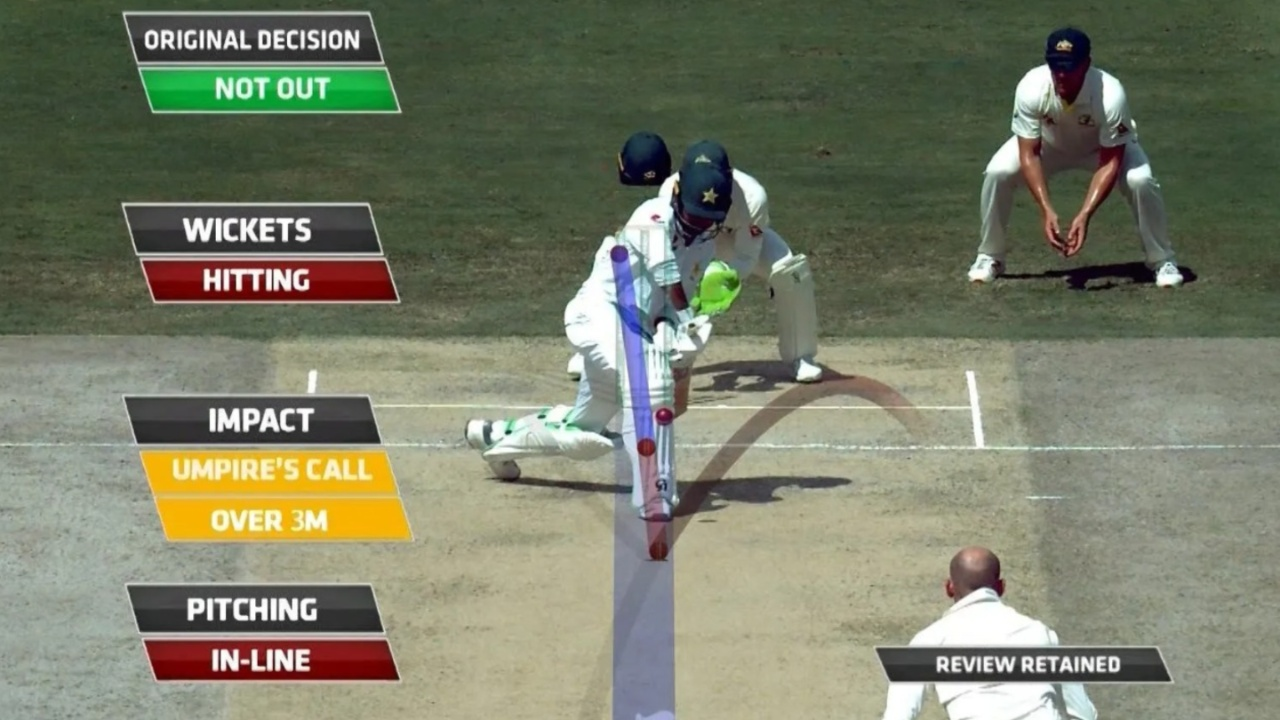
One of the major controversies on the DRS in the modern era has been around the umpire’s call. It erupted when Virat Kohli questioned the decision during the Test series between India and England. He felt that the umpire’s call had been creating a massive issue as it was made to give respect to the decisions being made on-field by the officials.
However, Nasser Hussain explained the requirement of the umpire’s call in the lbw decisions as he noted that the margin of error would increase the area of expected impact on the stumps to be higher and wider.
“It never actually hits the stumps. That’s the difference, and that’s why you need the margin of error, and that’s why you need the umpire’s call. It’s not there to back up the umpire; it’s to give the margin of error for technology. If it didn’t have that, and you had umpire’s call as out.” The former England captain expressed.
#9 MS Dhoni’s run-out confusion in IPL 2019 final-
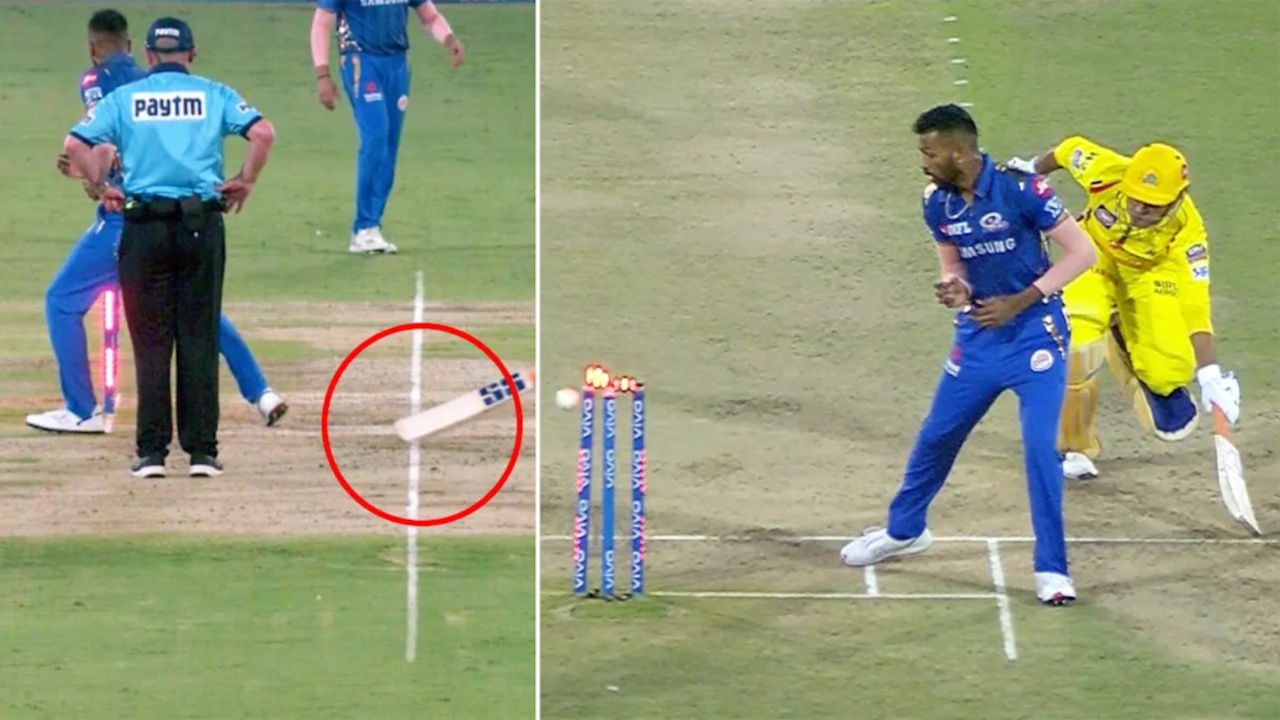
During the Indian Premier League (IPL) 2019 final between the Chennai Super Kings and the Mumbai Indians, MS Dhoni’s run-out at a crucial stage sparked massive controversy. He was given out after a direct hit from Ishan Kishan, attempting a tight run.
See Also: The evolution of DRS in cricket: How the Decision Review System changed the game forever
The replays and the multiple camera angles created the debate over whether MS Dhoni’s bat was grounded inside the crease just before the bail was dislodged by the direct hit. The third umpire went through the footage multiple times and judged the footage conclusive enough to give him out, which shifted the momentum of the clash as the Mumbai side claimed the one-run victory.
#8 Virat Kohli’s controversial LBW decision vs New Zealand in 2021-
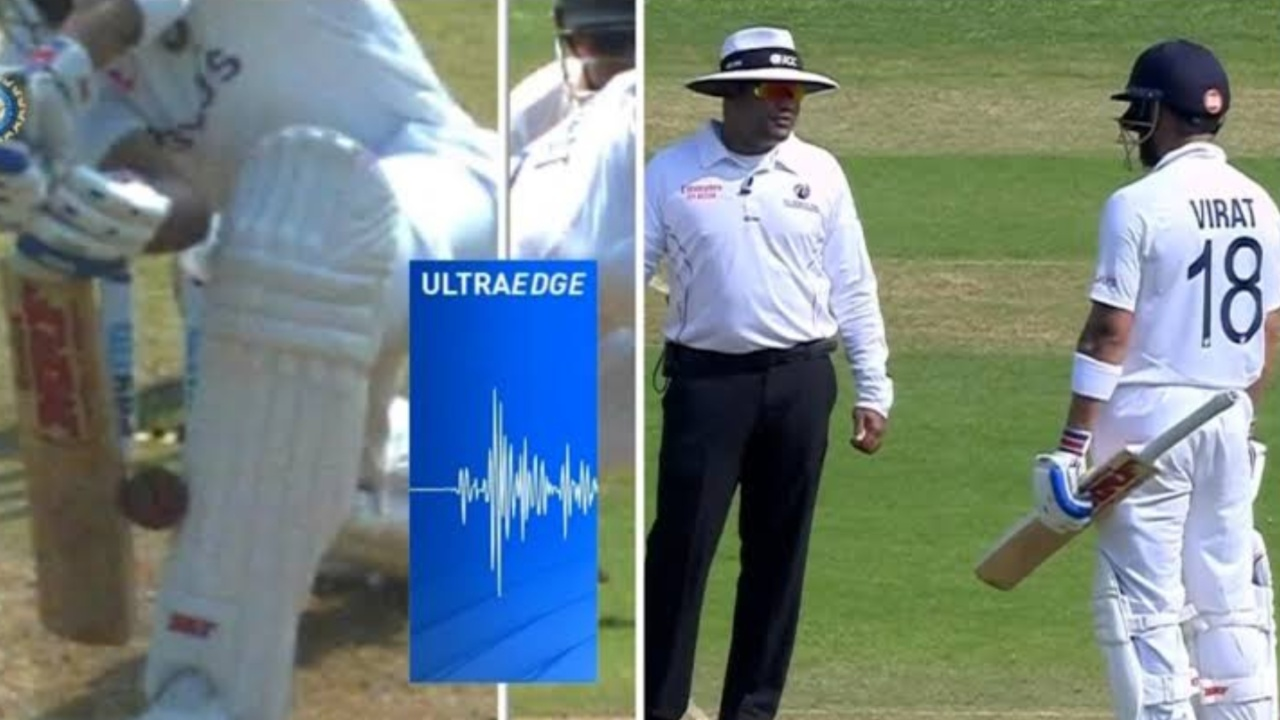
Virat Kohli’s controversial leg before the wicket (LBW) dismissal occurred during the third Test between India and New Zealand at the Wankhede Stadium in Mumbai. The right-handed batter was trapped by the left-arm spinner, Ajaz Patel, as he was given out by the on-field umpire, Anil Chaudhary.
Kohli’s immediate review failed. The TV replays showed that the ball hit the bat and pad simultaneously, which left the third umpire, Virender Sharma, with no conclusive evidence to overturn the on-field decision. He lacked proof that the ball grazed the edge of the pad.
#7 Shakib Al Hasan’s LBW dismissal in T20 World Cup 2022 vs Pakistan-
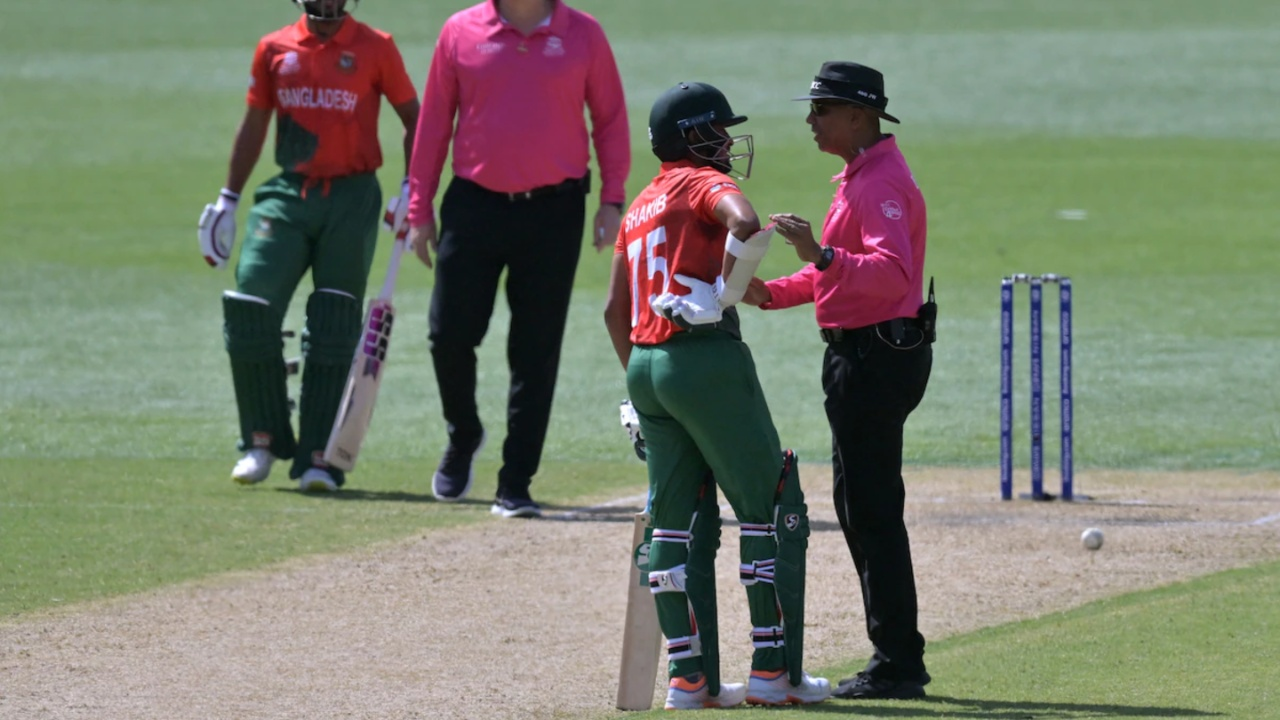
The former Bangladesh captain, Shakib Al Hasan, argued with the umpire during their Super 12 match against Pakistan at Adelaide Oval during the T20 World Cup 2022. He wasn’t happy with the LBW decision that was given against him off the bowling of Shadab Khan. The veteran took the review and looked confident that he had an inside edge onto his boot.
See Also: Top 10 most dangerous T20 batters of all time: The ultimate power-hitters list
The Ultra Edge showed a spike. However, the third umpire felt that it was from the bat hitting the ground and not the ball brushing the bat. The umpire went on with the review process as the ball tracker confirmed that the ball would have gone on to hit the off-stump. Shakib, looking at the screen, had a sense of disbelief on his face.
#6 Steve Bucknor’s decisions vs India (Multiple matches, 2000s)-
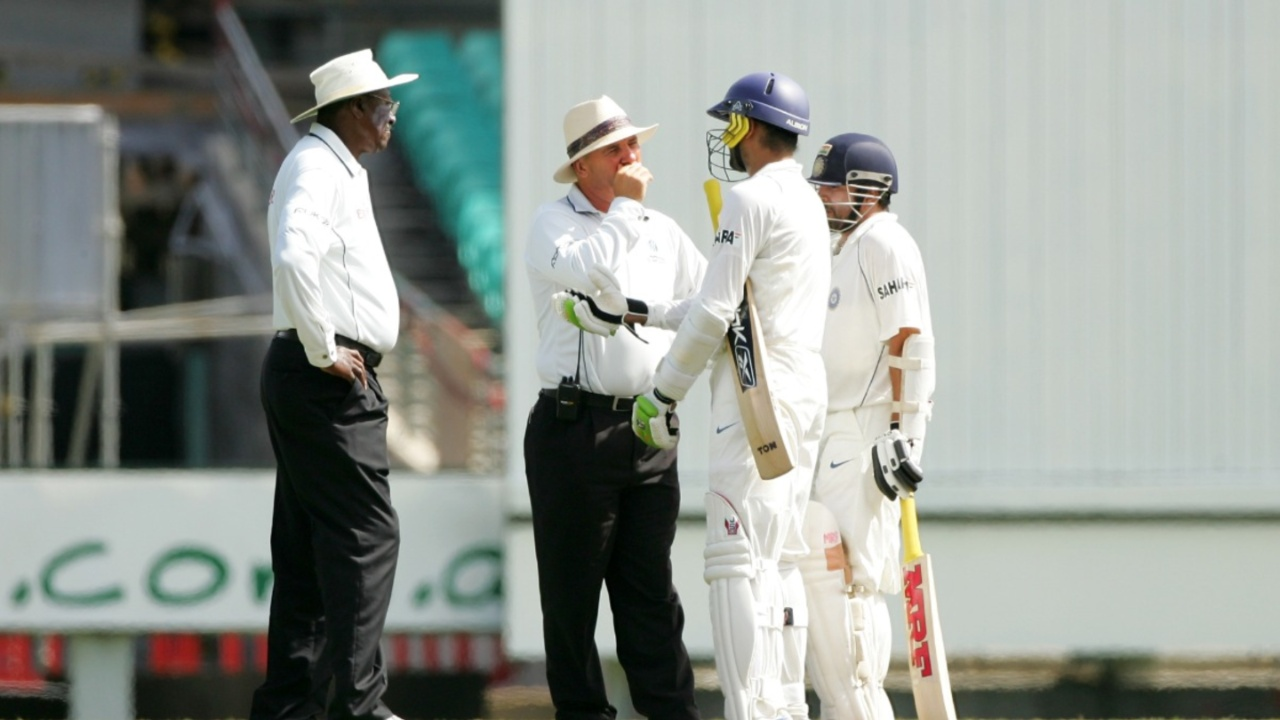
Steve Bucknor’s name would always appear in the list due to his several wrong decisions against India, especially Sachin Tendulkar, in the 2000s. Bucknor gave Tendulkar out LBW for a duck when Jason Gillespie bowled a delivery that was tracked well over the stumps.
The Mumbai-born was also given out caught behind off Abdul Razzaq when he was close to a century, despite a clear gap between bat and ball in the Kolkata Test of 2005. Three years later, in Sydney, he didn’t raise his finger against Andrew Symonds on the caught-behind when he was 30 and went on to score an unbeaten 162.
“Giving Sachin Tendulkar out leg before wicket, and it's a matter of knowing that it was a mistake, but until this day, every day, people talk about it. Why did I give him out? Was he out and so on? But then in life, mistakes happen. I have accepted that it was a mistake, and life goes on.” Bucknor said regarding the 2004 Gabba Test.
#5 Mike Denness suspended six Indian players for ball-tempering in 2001-
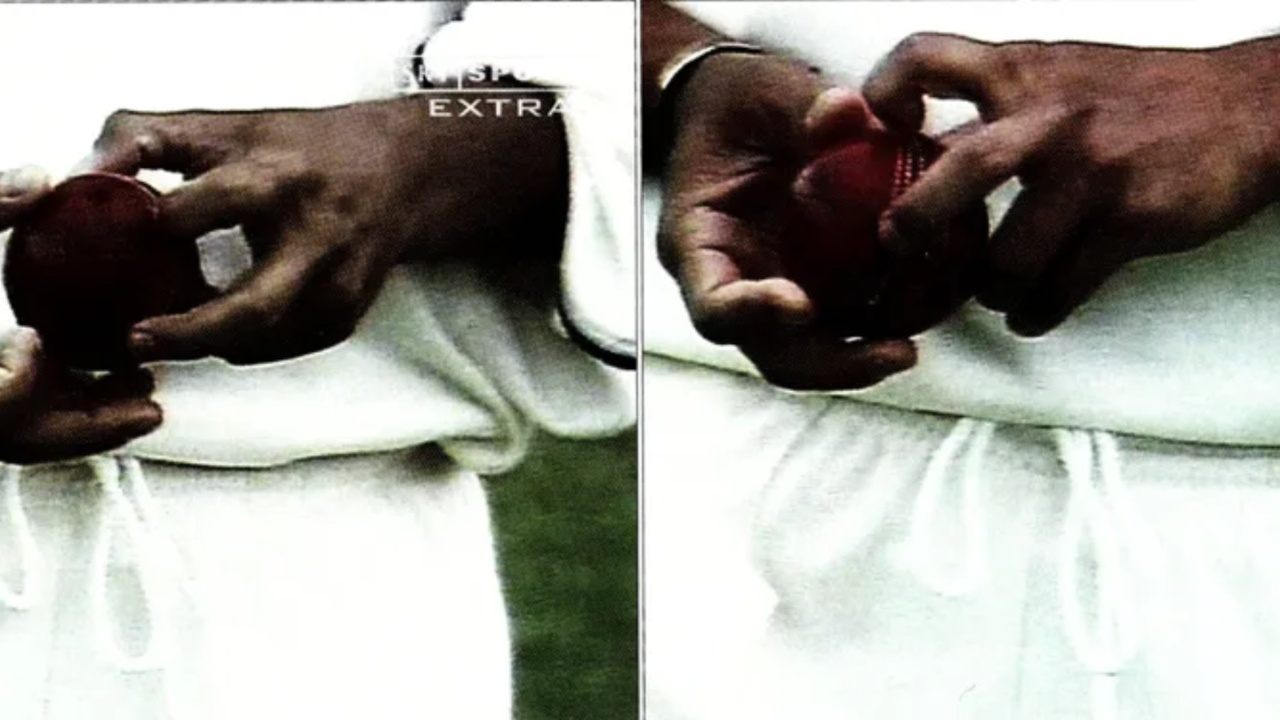
The match-referee, Mike Denness, a former England captain, found six Indian players guilty of various reasons during the second Test match against South Africa at St George’s Park in Port Elizabeth. The TV showed Tendulkar using a fingernail on the seam of the ball, and Denness decided after a meeting with the Indian player.
The Board of Control for Cricket in India (BCCI) wanted a replacement for Denness as the match referee for the final Test in Centurion. Shiv Sunder Das, Harbhajan Singh, Virender Sehwag, and Deep Dasgupta were suspended for one match and fined 75% of the match fee.
Meanwhile, the Indian captain, Sourav Ganguly, was given a suspension of one Test and two one-day international games for his failure to control his teammates.
#4 Muttiah Muralitharan No-Balling Saga (1995–1999)-
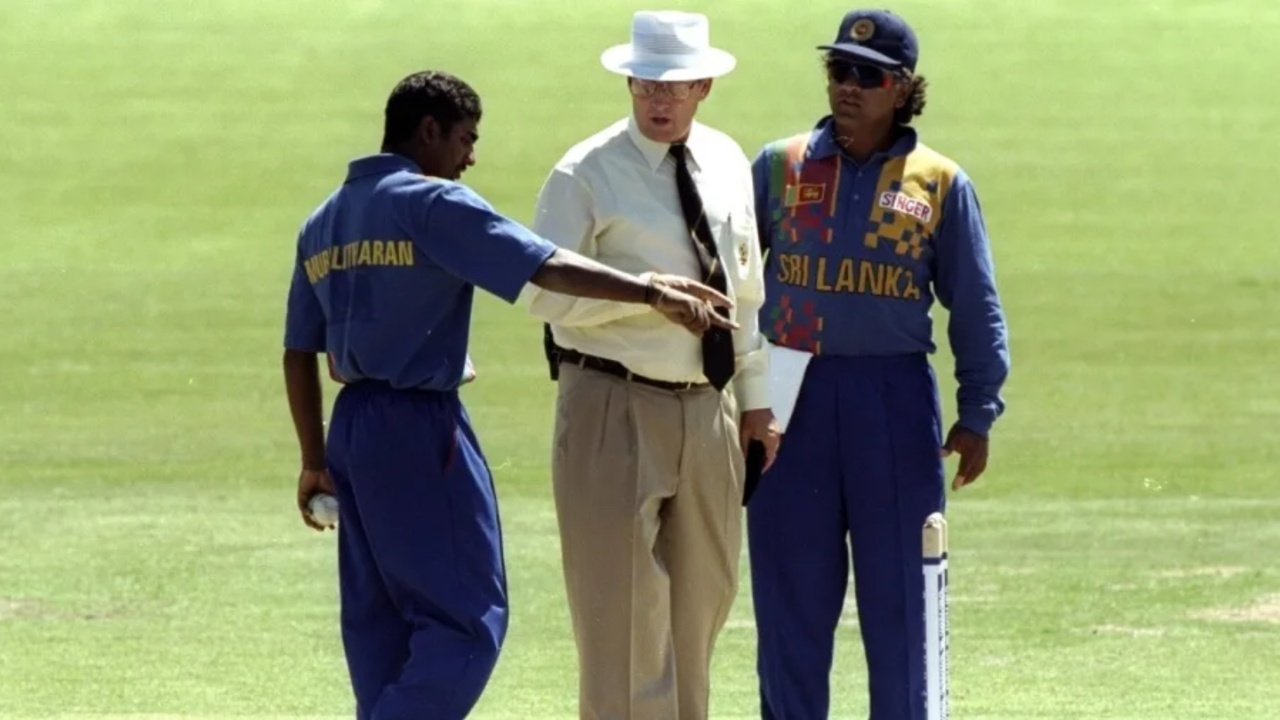
The former Sri Lankan spinner, Muttiah Muralitharan, was no-balled for throwing the ball by the international umpires, Darrell Hair and Ross Emerson, during the games in Australia due to his unique bent-arm action. Hair gave him no-ball seven times during the 1995 Boxing Day Test matches, which sparked massive controversy.
See Also: Munaf Patel reveals shocking twist in Dhoni's 'Hookah' controversy
In the 1999 Tri-series, Emerson gave him no-balls during the ODI clash against England in Adelaide, which prompted the captain, Arjuna Ranatunga, to temporarily lead the side off the field in a massive protest. The spinner went through several tests before the International Cricket Council (ICC) permitted a universal 15-degree elbow extension, clearing his action.
#3 South Africa vs England – DRS Confusion (2020)-
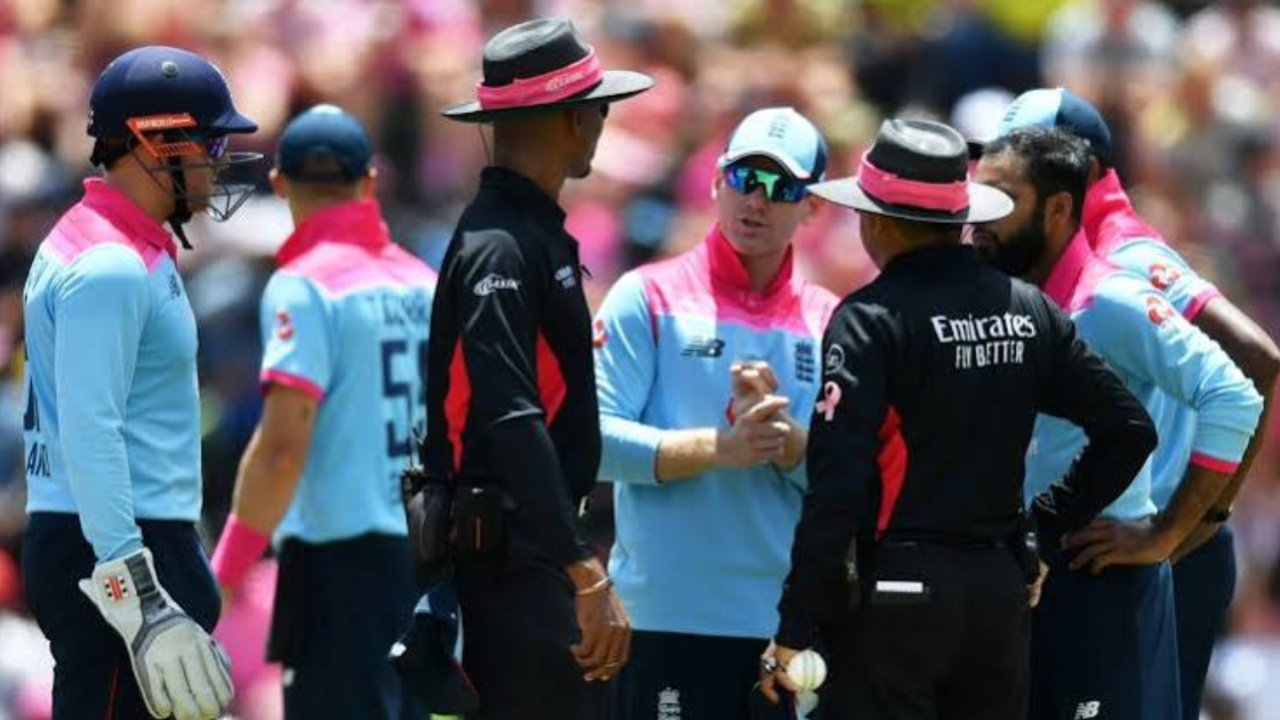
During the third ODI between South Africa and England at Wanderers in Johannesburg in 2020, a major DRS confusion took place, involving the Protea batter, Rassie van der Dussen, and an UltraEdge malfunction. He was also given out LBW by the on-field umpire off Adil Rashid and started walking off.
Under the ICC rules, a review can be reinstated if the technology fails. The batter was allowed to review despite the Proteas side having no reviews left. The ball-tracking showed the ball was missing the leg stump, forcing the umpire to reverse the dismissal. The entire situation frustrated Eoin Morgan and the England side with the lack of communication.
#2 The Underarm delivery (1981)-
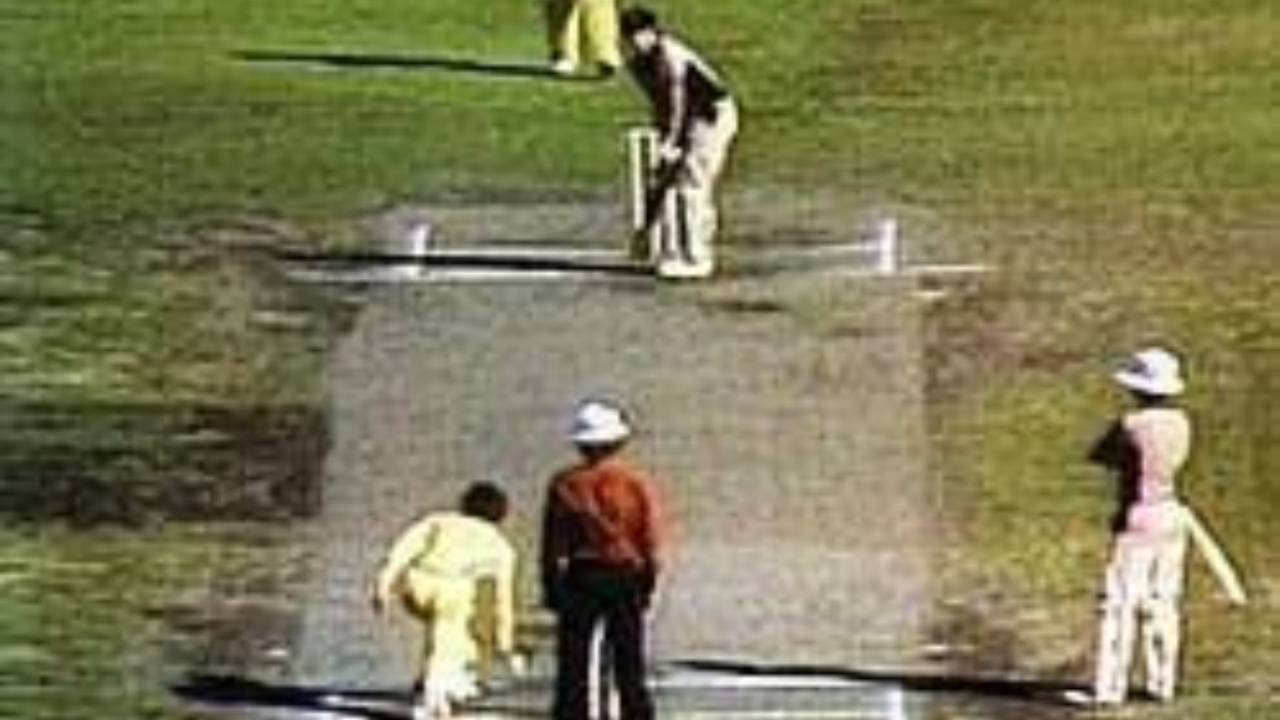
The 1981 underarm delivery was a very controversial cricket incident, involving Brian McKechnie and the two Chappell brothers, Greg and Trevor. At the Melbourne Cricket Ground (MCG), during the ODI final between Australia and New Zealand, the latter needed six runs off the final ball of the match to tie.
Greg, the Australian captain, instructed his younger brother, bowler Trevor, to roll the ball underarm along the ground to make it absolutely impossible for the batter, Brian McKennie, to hit a six. The rule was legal under the rules at the time. The NZ Prime Minister, Robert Muldoon, called the act cowardly, while the Australian PM, Malcolm Fraser, also condemned it.
#1 Ben Stokes overthrow decision (2019 World Cup Final)-
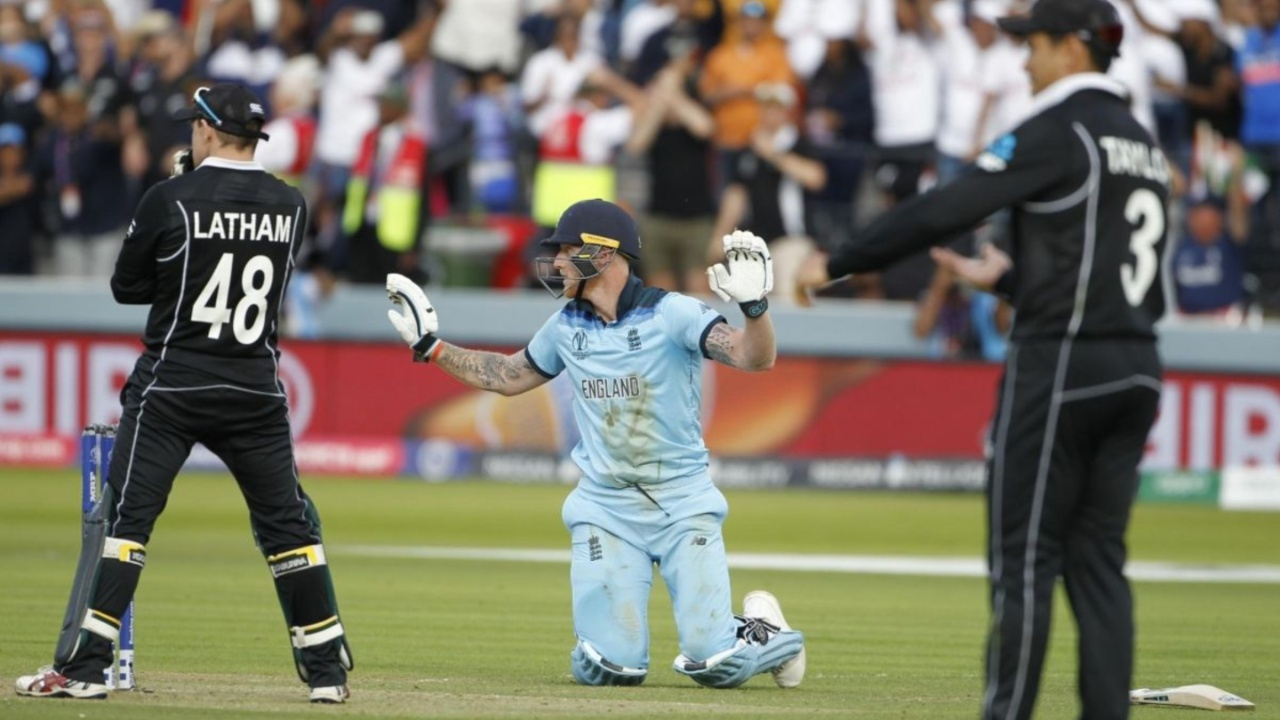
The on-field umpires made an error in the 2019 ODI World Cup final between England and New Zealand when they awarded six runs instead of five when Martin Guptill’s throw deflected off Ben Stokes’ bat to the boundary. Stokes dived to complete the second run as the ball stuck Stokes’ bat and ricocheted away to the boundary.
The umpires, Kumar Dharmasena and Marais Erasmus, gave six runs, two of which came on the physical run and the four runs off the boundary. Under 19.8, when a boundary results from an overthrow, the run value includes the boundary plus any run completed by the batter if they had crossed at the throw.
See Also: LBW Controversy: Why Rohit Sharma was not out and Rashid Khan was out— Explains
The replays showed that Stokes and Adil Rashid didn’t cross, meaning only five runs should have been awarded. The game ended in a draw, and England won the WC based on the boundary count of the super over.
Top 10 most controversial umpiring decisions in cricket- FAQs
Frequently Asked Questions
The Test match in 2008 between Australia and India at the Sydney Cricket Ground (SCG) is being labelled as the worst-officiated match, due to several wrong decisions from umpire Steve Bucknor.
Not totally. While DRS has decreased the errors, the debates still occur- especially around the umpire’s call rule, where the marginal decisions can go any way depending on the on-field call.
In 2006, the umpires penalized Pakistan for ball-tempering, and when the team refused to return to the field, England were awarded the game, which saw the umpire, Darrell Hair, being involved.
Due to cricket’s heavy emphasis on fairness, a single wrong decision can change the course of the game, and that could affect the careers of a player and even trigger national-level reactions.
About the Author

Massive cricket lover and follower of world cricket since mid 2000s. Like to frame the game through stats and numbers. Bit old-school cricket lover, who always get encouraged by Test cricket. Questions few complex rules which baffle the new viewers of the game. Have been working as a cricket writer for more than 5 years.
POLL

1,736
total votes
1/8/2027
end date
Watch Now
 Cricket News1 min
Razaullah receives grand reception on his arrival in Islamabad after superb Test debut
 Cricket News1 min
“Not good in bed”: Sofia Hayat sparks massive claim about Rohit Sharma amid IND vs AFG series
 Cricket News1 min
“Don’t want to play” — Bhuvneshwar Kumar reacts to India comeback talk after stellar IPL 2026 season
Web Stories
India vs New Zealand T20 World Cup 2026 Final
Sanju Samson’s 89 vs England Powers India in T20 World Cup 2026 Semifinal

Biggest Opening Partnerships in T20 World Cup Knockouts
India vs England T20 World Cup Semifinal History
New Zealand Knock Out Sri Lanka – Super 8 Match Highlights & Key Moments