Top 10 cheating controversies in cricket history —Incidents that rocked the game
From Sandpapergate to Shahid Afridi's ball-biting incident, cricket has seen its share of controversy. Here's a ranked look at the top 10 cheating controversies that have rocked the game

Cricket is often narrated as a gentleman’s game, which is built on the traditions of sportsmanship, fairness, and respect for the opposition. Despite this, throughout the long history of the game, the sport has displayed several incidents that challenged the principles and other factors of the game around the world, including in Australia, Pakistan, and other countries.
From questionable tactics to deliberate attempts to gain an unfair advantage, these controversies have sparked heated debates among the players, the fans, and the experts. The incidents were minor but became huge talking points once the curtains were down. Few of them had great consequences, resulting in suspensions, fines, and serious damage to reputations.
The ball-tampering, pitch interference, and other controversial incidents produced various moments that remain connected with the game’s history. What makes these approaches fascinating is the debate over where cheating gets the win over gamesmanship.
Certain tactics permitted at the time were tactically sound but were condemned due to them going against the spirit of the game. Others crossed the rules and resulted in disciplinary action from the cricket authorities.
Beginning with the Bodyline series and the infamous underarm delivery of Greg Chappell to the modern controversies like the Sandpaper, the game has found itself at the centre of disputes over fair play. These episodes not only changed how the game was viewed but also influenced the rules and laws of the game.
Ranking Cricket's 10 biggest cheating incidents, from ball tampering to on-field deception
Here is a brief look at the top 10 biggest cheating scandals in cricketing history, which focuses on the incidents involving unfair tactics, violations of the rules and regulations, and the alleged attempts to gain an advantage, apart from the match-fixing and spot-fixing scandals. Which of these incidents caused the biggest outrage, and which one changed the game forever?
#10 Zaheer Khan’s jellybean controversy — India vs England, 2007-
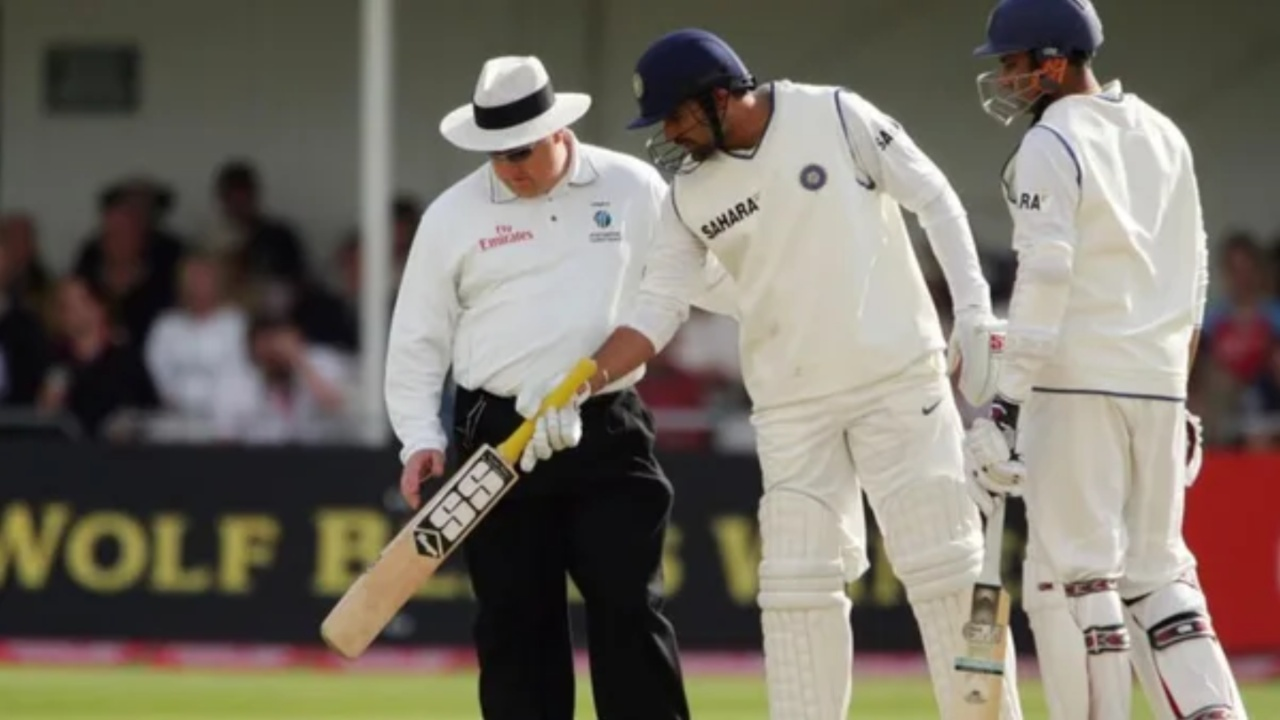
The jellybean controversy took place during the second Test match between England and India in 2007 at Trent Bridge. On the arrival of Zaheer Khan in the middle, jellybeans were reportedly found near his crease as he felt that the home players had deliberately placed those beans on the surface to distract him. It triggered a heated exchange between the two parties.
See Also: Top 10 biggest match-fixing scandals in cricket history: Which one shocked the fans the most?
Kevin Pietersen had a word with India’s left-arm pacer before the umpires stepped into the matter to calm things down. The home captain, Michael Vaughan, later apologised to Zaheer, even though he claimed that the sweets were just a part of the banter rather than an attempt to cheat. The visitors went on to win the game and eventually the series by a 1-0 margin.
#9 Sachin Tendulkar–Mike Denness controversy — India, 2001-
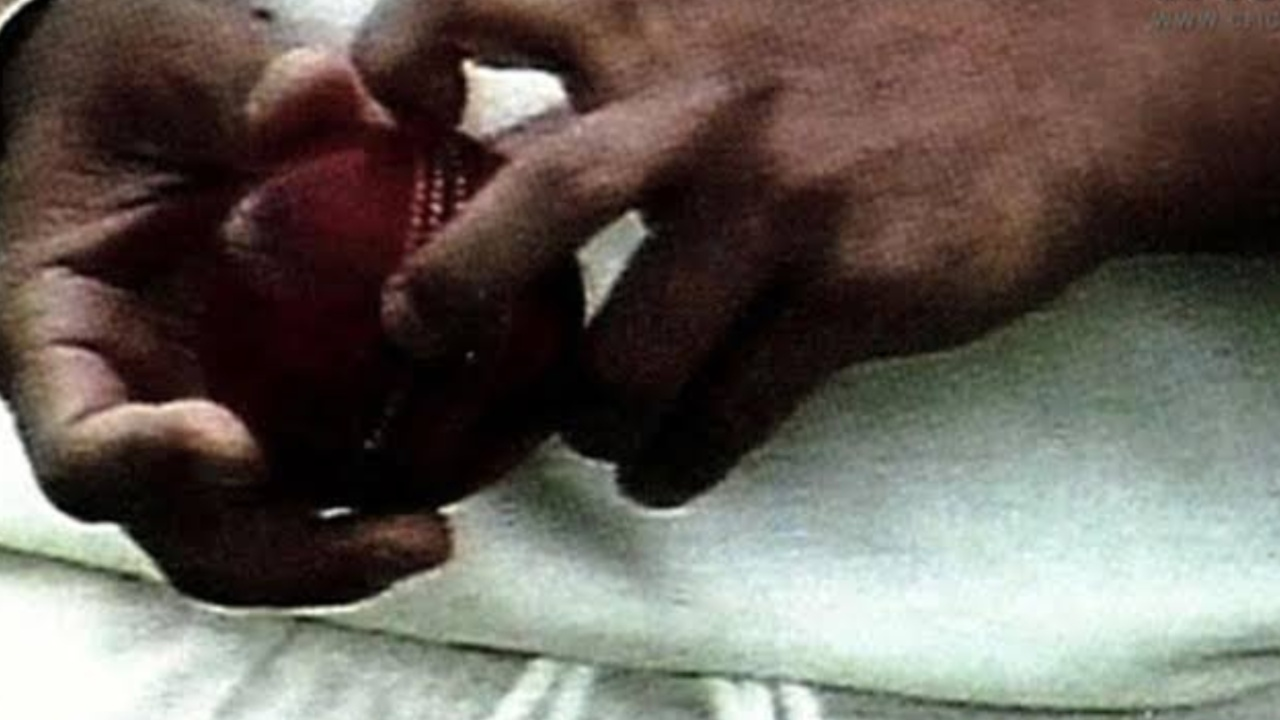
The Sachin Tendulkar–Mike Denness Controversy erupted during the 2001 tour of India to South Africa in the second red-ball clash at Port Elizabeth. The footage showed Tendulkar running his fingernail along the seam as he tried to clean the ball during his brief spell of bowling. However, the match referee, Mike Denness, reckoned that the former captain tried to interfere with the delivery. He was fined 75% of his match fee and was imposed a one-Test suspension.
The decision brought massive outrage in India, with the Board of Control for Cricket in India (BCCI) demanding the removal of the match referee. The dispute escalated when both sides played the next Test without Denness, leading the ICC to declare the game unofficial. It remains one of the most memorable disputes of the game.
#8 The Oval ball-tampering controversy — Pakistan, 2006-
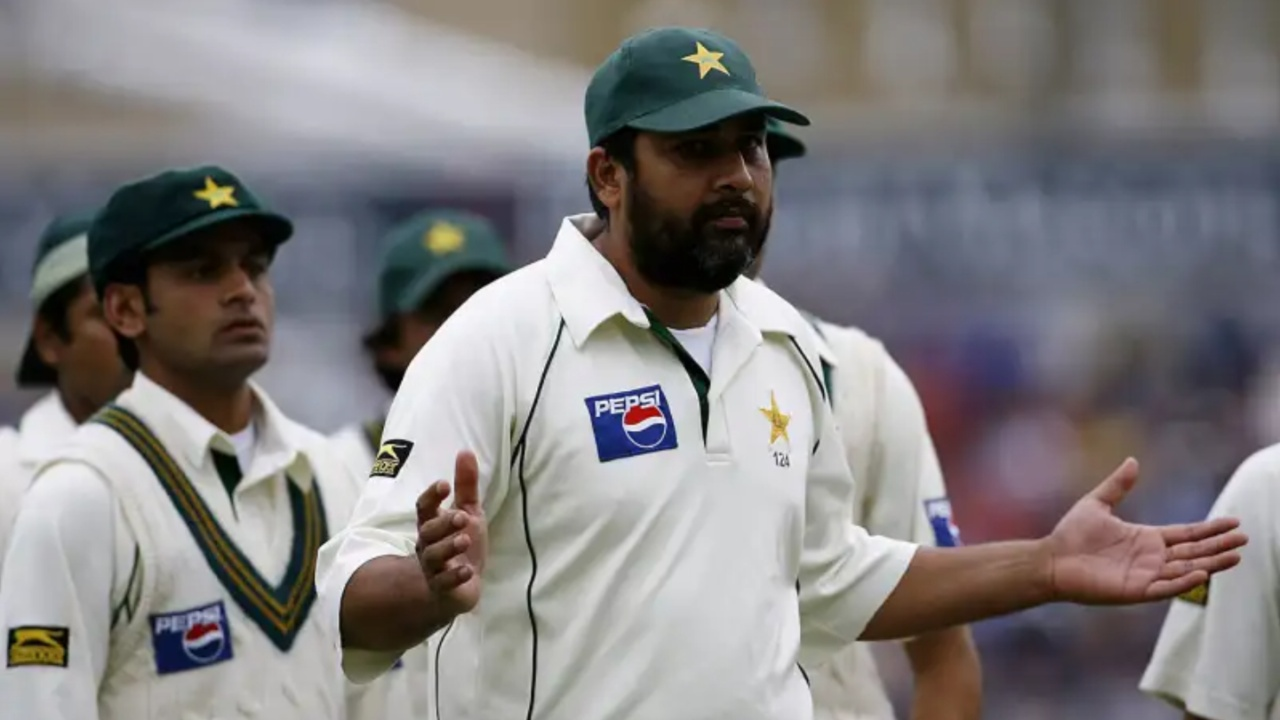
The Oval ball-tampering controversy is another extraordinary incident of the game. During the fourth Test between England and Pakistan at the Kennington Oval in South London in 2006, the umpires Darrell Hair and Billy Doctrove claimed that the tourists had tried to alter the ball’s condition. The home side was awarded five penalty runs before the ball was replaced.
Pakistan weren’t happy with the decision as they refused to return to the field after tea in protest. The umpires eventually awarded the match to the hosts by forfeiture. The visiting captain, Inzamam-ul-Haq, was later cleared of the charge and received a four-ODI ban for bringing the game into disrepute.
#7 Shahid Afridi pitch-tampering incident — Pakistan, 2005-
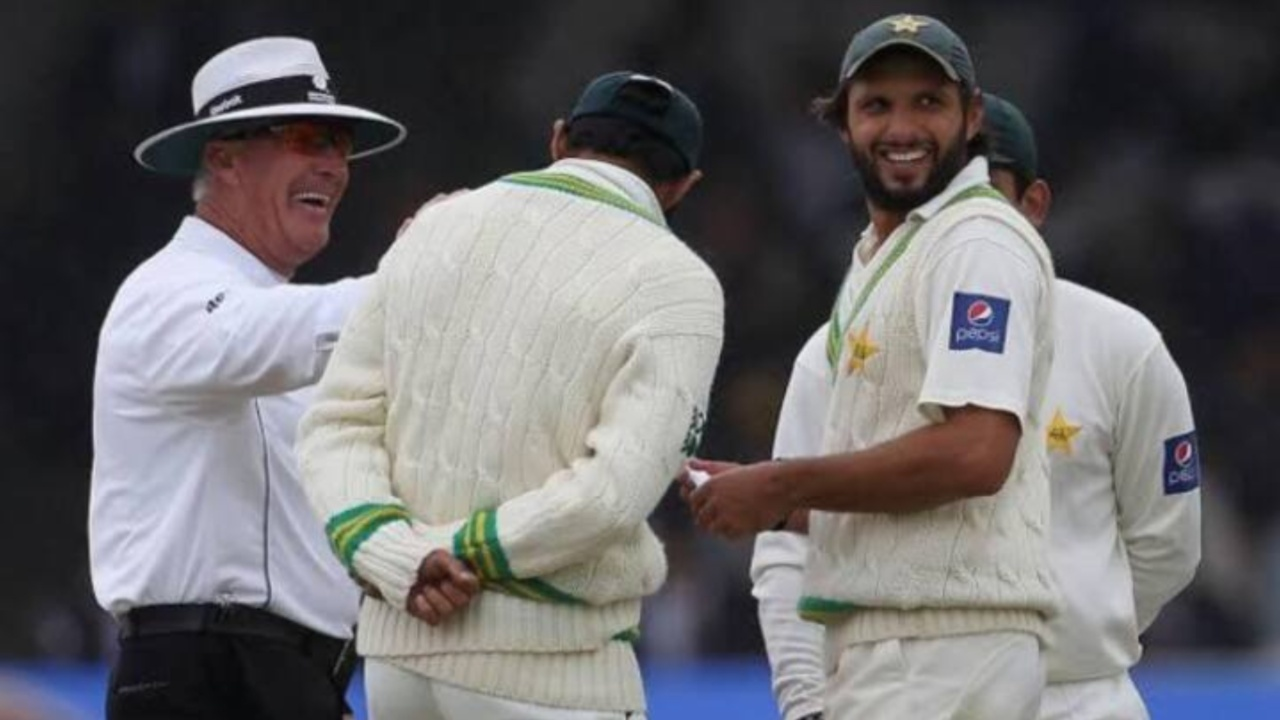
The pitch-tampering incident took place during the second Test between Pakistan and England in Faisalabad in November 2005. A stoppage occurred during the game due to a gas-cylinder explosion near the venue, as Shahid Afridi was caught on television cameras twisting his boots on the surface. He created rough patches around the good-length area.
See Also: Why Pakistan keep losing Test matches: Inside their WTC cycle collapse
The tactic was done to make the 22-yard pitch helpful for the home spinners, especially Danish Kaneria. Afridi later admitted that he deliberately damaged the surface and called his action a mistake. The ICC found the spinner guilty of a Level 3 breach of its Code of Conduct. He was banned for one Test match and two ODIs as the incident raised questions about the lengths players could go to gain an advantage.
#6 Faf du Plessis’ ball-tampering controversies — South Africa, 2016-
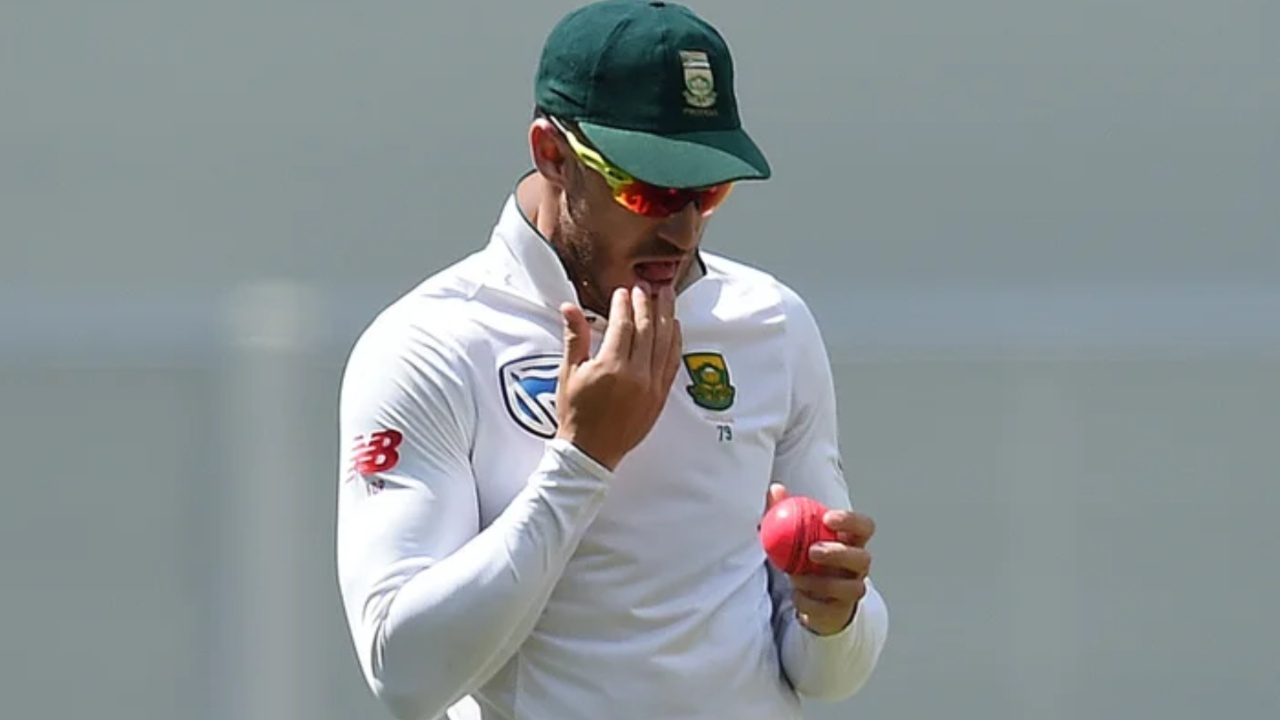
The former captain of South Africa, Faf du Plessis, became part of the most-discussed ball-tampering controversies in 2016, just three years after such an incident in 2013 against Pakistan. It happened during the Test match against Australia in Hobart when the television showed the Proteas captain applying saliva mixed with residue from the sweet to the ball.
The ICC charged him with deliberately changing the ball’s condition. Faf pleaded not guilty. However, the ICC found him guilty and fined him 100% of his match fee, as the former Chennai Super Kings (CSK) player received three demerit points.
#5 Shahid Afridi biting the ball — Pakistan, 2010-
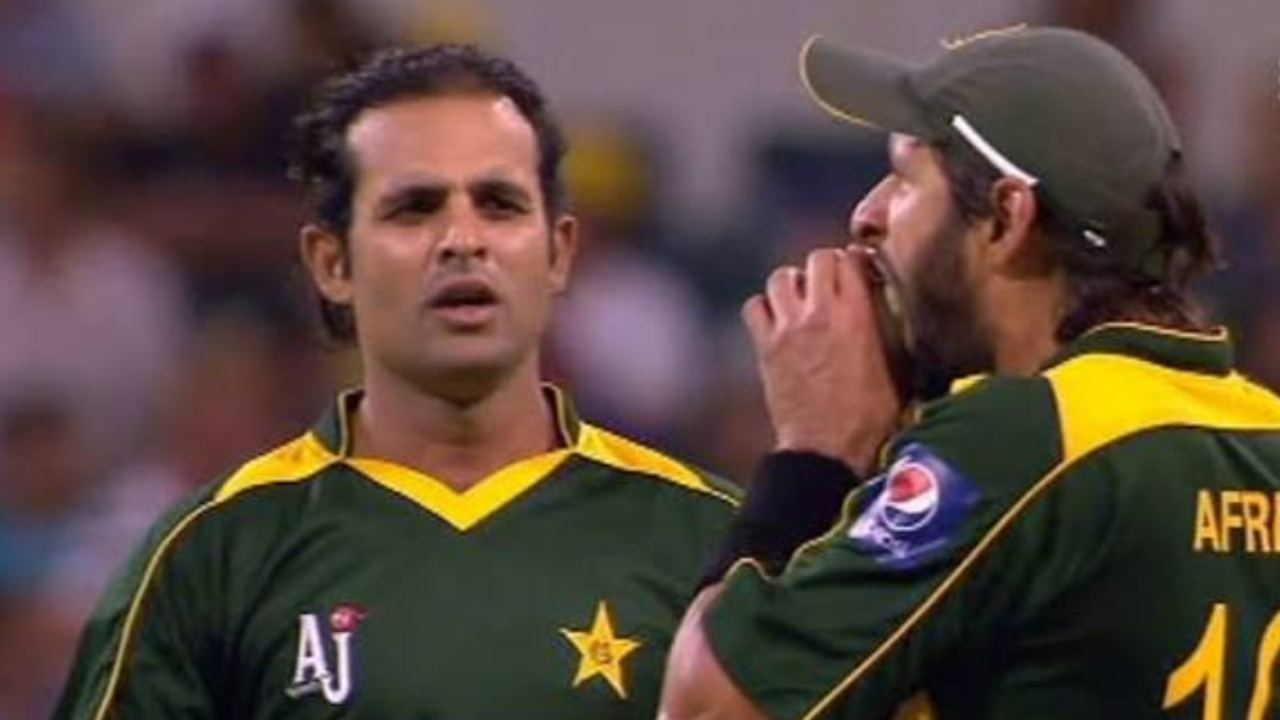
Afridi was again in the centre of the game’s ball-tempering controversies during the fifth ODI of the side against Australia at the WACA in 2010. They were trying to defend their total when the cameras showed Afridi biting and scraping the surface of the ball on many occasions, as the incident attracted the attention of the umpires.
The umpires, upon replacing the ball, reported Afridi to the match referee, Ranjan Madugalle. He pleaded guilty to changing the ball’s conditions as the ICC charged him under the Code of Conduct and gave a penalty of two suspension points, which ruled him out of Pakistan’s next two T20Is.
#4 Waqar Younis Ball-Tampering Charge — Pakistan, 2000-
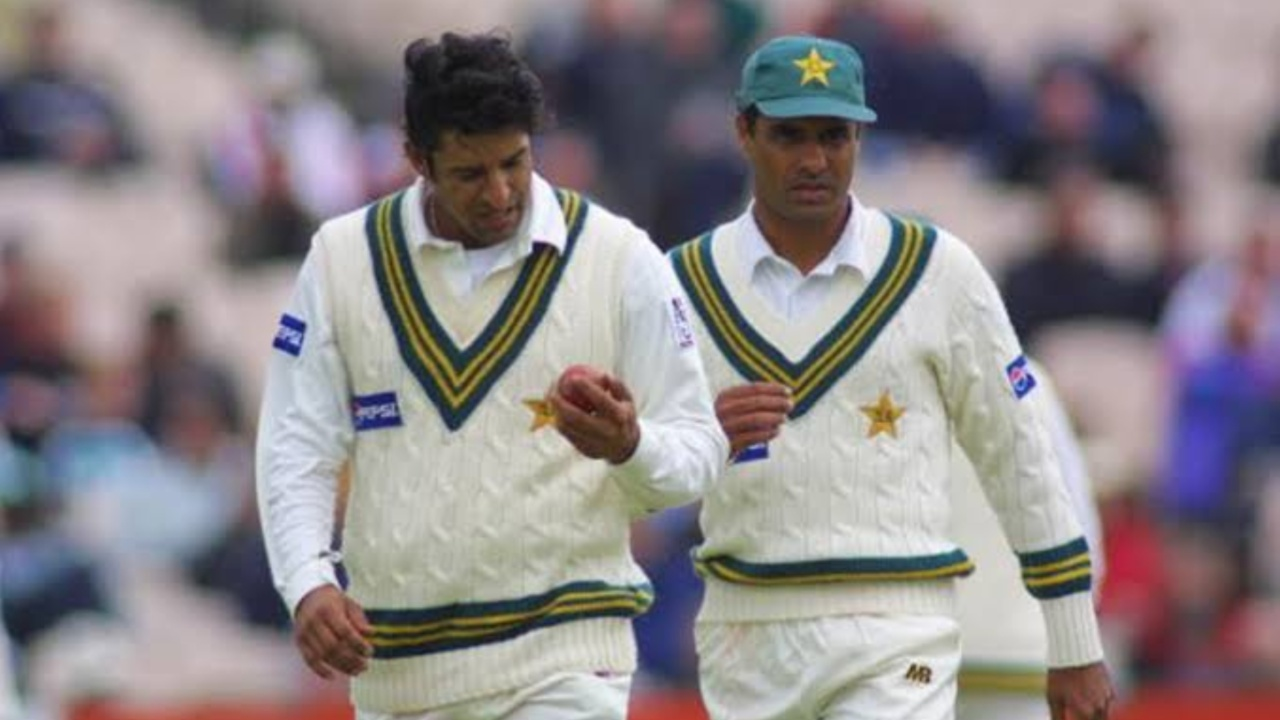
The former Pakistan bowler, Waqar Younis, became the first player to receive a suspension for ball-tampering when they faced the Proteas in Colombo in 200. The footage showed the fast bowler scratching the ball and trying to lift its seam to produce reverse swing early with the new ball.
See Also: Complete list of top 10 richest Pakistani cricketers in 2026 ft. Shaheen Afridi
The match referee John Reid considered the incident serious. Waqar was later fined 50% of his match fee and suspended for an ODI. Azhar Mahmood was fined 30% of his match fee for helping him in the incident, while captain Moin Khan was reprimanded for going against the spirit of the game.
#3 Mike Atherton’s ball-tampering controversy — England, 1994-
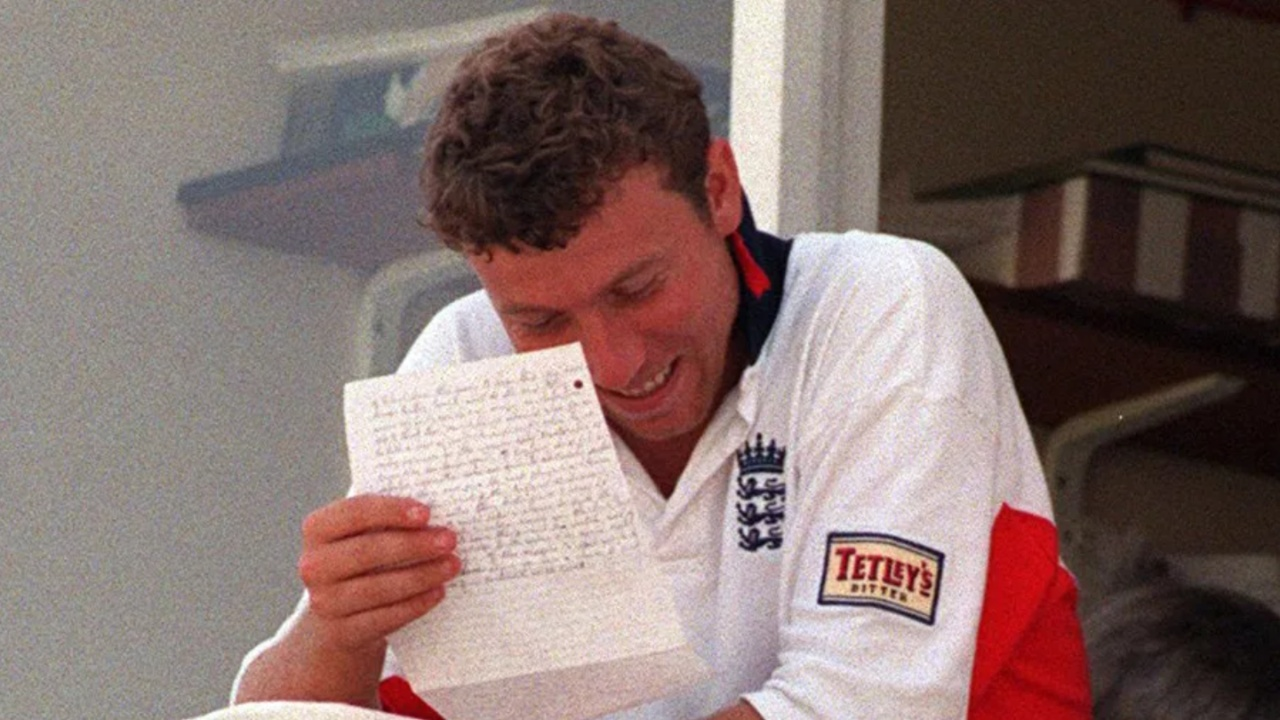
The former captain of England, Mike Atherton, was engaged in a famous ball-tampering controversy during their Test match against South Africa in 1994. The TV cameras displayed the former England captain taking dirt from his trouser pocket and appearing to be rubbing it onto the ball. The videos sparked accusations that he was altering the ball’s condition.
Atherton admitted that he had dirt in his pocket. He reckoned that he tried to keep his fingers and the ball dry, rather than illegally changing the ball. His explanations to match referee Peter Burge and the management became another major part of the controversy. Burge didn’t find him guilty of ball-tampering, but Atherton was later fined £2,000 by England chairman Ray Illingworth.
#2 Greg Chappell’s underarm delivery — Australia vs New Zealand, 1981-
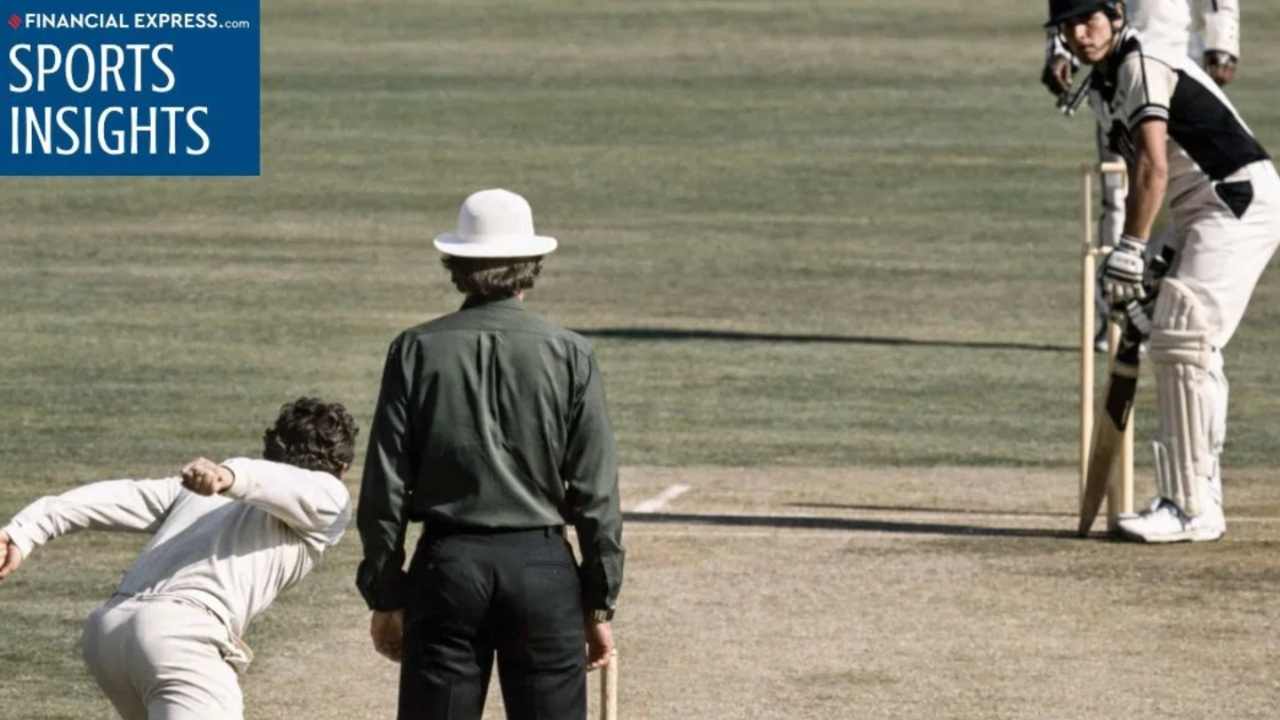
The underarm delivery controversy occurred during an ODI between Australia and New Zealand at the MCG in 1981. The Blackcaps needed six runs off the final ball when the home captain, Greg Chappell, instructed his younger brother, Trevor Chappell, to bowl underarm. Trevor, as instructed, rolled the ball along the ground, as it was impossible for Brian McKenchine to hit a six.
Australia won the match but triggered an outrage. Underarm was legal at that time but was considered against the spirit of the game. The Blackcaps reacted furiously as the approach prompted a change to the game’s laws. The Chappell brothers regretted the episode.
#1 Sandpaper Gate — Australia, 2018-
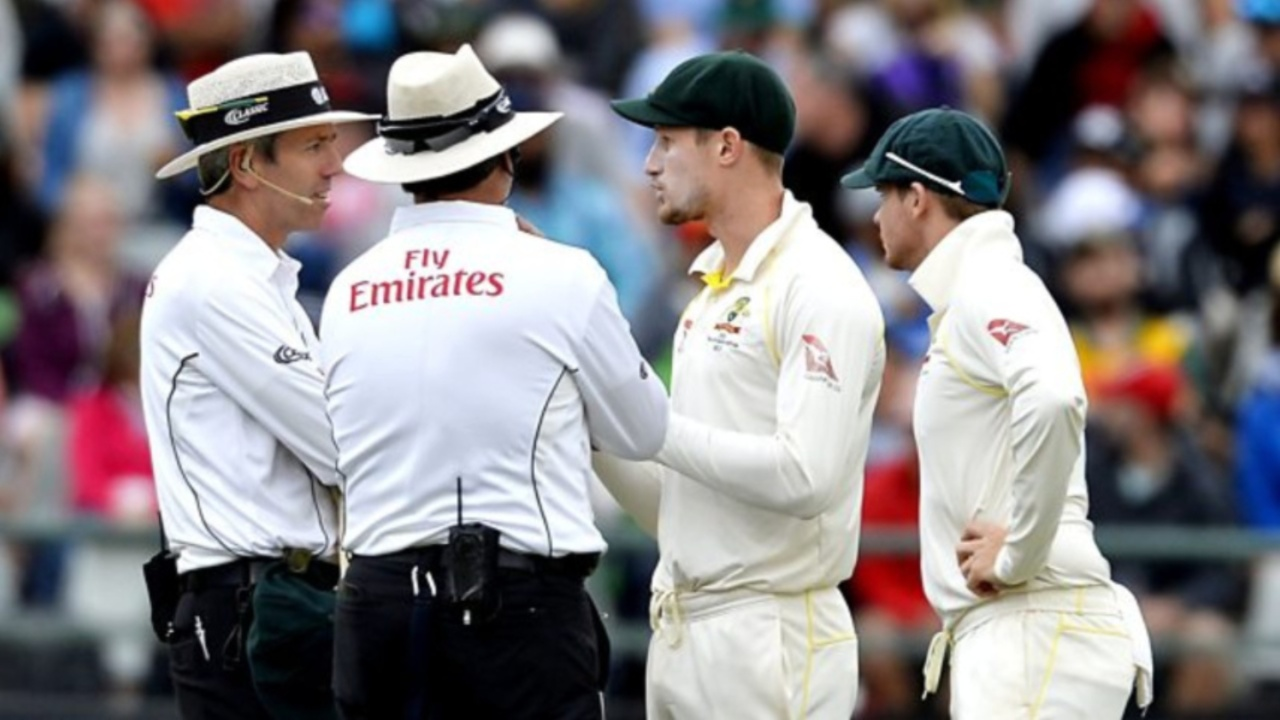
The Sandpaper Gate in 2018 will remain the biggest cheating controversy in the game. During the third Test at Newlands between Australia and South Africa, the television camera caught Cameron Bancroft attempting to rough the ball with sandpaper. It became serious when captain Steve Smith admitted that the plan was discussed during the lunch break.
See Also: Indian cricketers who own their restaurants: The complete list
Their vice-captain, David Warner, was found to be initiating the plan. Smith and Warner were banned for a year by Cricket Australia, while Bancroft was suspended for nine months. Later, their coach, Darren Lehmann, decided to resign from his position.
Top 10 cheating controversies in cricket history- FAQs
Frequently Asked Questions
The former Pakistan captain, Shahid Afridi, was caught biting the ball during an ODI against Australia in 2010, and he was suspended for two T20Is after pleading guilty.
The former Pakistan pacer, Waqar Younis, was the first player to be suspended for ball-tampering when he was sanctioned during the ODI against South Africa in Colombo.
In terms of the rules and regulations of the game, Greg Chappell’s underarm was not illegal in 1981, as it was within the ICC guidelines. But it was against the spirit of the game, as the laws were changed later on.
During the 2006 Test at the Oval, the Pakistan side found themselves in a controversy for changing the ball’s condition. The controversy became bigger when the tourists refused to take the field after tea, as the home side, England, were awarded the match.
About the Author

Massive cricket lover and follower of world cricket since mid 2000s. Like to frame the game through stats and numbers. Bit old-school cricket lover, who always get encouraged by Test cricket. Questions few complex rules which baffle the new viewers of the game. Have been working as a cricket writer for more than 5 years.
POLL
Watch Now
 Cricket News1 min
Temba Bavuma smashes Pat Cummins for an out-of-stadium six on day 2 of SA vs AUS 2nd Test
 Cricket News1 min
Suryakumar Yadav shows off his signature shot on Lakme fashion week ramp
 Cricket News1 min
MS Dhoni and Anant Ambani enjoy carnival rides amid Navratri celebrations- Video goes viral
Web Stories
India vs New Zealand T20 World Cup 2026 Final

Sanju Samson’s 89 vs England Powers India in T20 World Cup 2026 Semifinal

Biggest Opening Partnerships in T20 World Cup Knockouts

India vs England T20 World Cup Semifinal History
New Zealand Knock Out Sri Lanka – Super 8 Match Highlights & Key Moments